 EN
EN


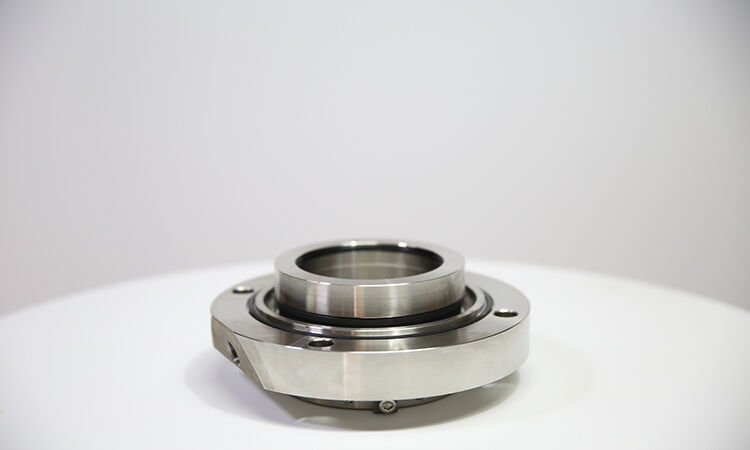
Industrial applications operating under extreme conditions require robust sealing solutions that can withstand high loads and severe wear patterns. Modern manufacturing facilities, heavy equipment operations, and process industries depend on reliable mech seals to maintain operational efficiency and prevent costly downtime. These critical components serve as the primary barrier between rotating machinery and the external environment, ensuring that lubricants remain contained while contaminants stay out. The selection and implementation of appropriate mech seals directly impacts equipment longevity, maintenance costs, and overall operational reliability across diverse industrial sectors.

Understanding High-Load Industrial Sealing Requirements
Mechanical Stress Factors in Heavy Machinery
Heavy industrial machinery subjects mech seals to substantial mechanical stresses that can rapidly degrade conventional sealing solutions. High rotational speeds, extreme pressures, and continuous operation cycles create demanding conditions that require specialized seal designs. The mechanical loads imposed by large rotating shafts generate significant radial and axial forces that must be accommodated without compromising seal integrity. Temperature fluctuations from operational heating and cooling cycles further compound these mechanical challenges, requiring mech seals that maintain flexibility and dimensional stability across wide temperature ranges.
Industrial equipment manufacturers recognize that inadequate sealing solutions result in premature bearing failures, contamination issues, and unplanned maintenance interventions. The cumulative effect of mechanical stress on standard sealing components can lead to catastrophic equipment failures that disrupt production schedules and generate substantial repair costs. Advanced mech seals incorporate reinforced construction materials and optimized geometries that distribute mechanical loads more effectively, extending service life under demanding operational conditions.
Environmental Challenges in Industrial Settings
Industrial environments expose mech seals to harsh conditions including chemical exposure, abrasive particles, and extreme temperature variations. Manufacturing facilities often contain airborne contaminants that can infiltrate sealing interfaces and cause accelerated wear patterns. Chemical processing operations introduce corrosive substances that attack conventional seal materials, necessitating chemically resistant compounds and protective surface treatments. The combination of mechanical stress and environmental exposure creates synergistic degradation effects that challenge traditional sealing approaches.
Effective mech seals for high-wear applications incorporate multiple protective features to address these environmental challenges. Barrier fluids, exclusion systems, and advanced material compositions work together to isolate sensitive sealing surfaces from harmful environmental factors. These protective measures significantly extend operational intervals between maintenance events while maintaining consistent sealing performance throughout the service life.
Advanced Materials and Construction Technologies
High-Performance Seal Face Materials
The selection of appropriate seal face materials represents a critical factor in achieving reliable performance from mech seals operating under high-load conditions. Advanced ceramic compositions, including silicon carbide and tungsten carbide variants, provide exceptional wear resistance and thermal stability compared to traditional carbon-based materials. These engineered ceramics maintain dimensional precision under extreme pressure conditions while exhibiting superior resistance to chemical attack and thermal shock. The hardness characteristics of ceramic seal faces enable them to withstand abrasive contamination that would rapidly degrade softer materials.
Modern mech seals utilize advanced surface treatments and coatings to enhance material performance characteristics. Diamond-like carbon coatings, physical vapor deposition treatments, and specialized surface texturing techniques reduce friction coefficients while improving wear resistance. These surface modifications create optimal running conditions between mating seal faces, minimizing heat generation and extending operational life under demanding service conditions.
Elastomer and Secondary Seal Technologies
The elastomeric components within mech seals must accommodate dynamic movements while maintaining effective sealing against process fluids and contaminants. High-performance fluorocarbon elastomers and perfluoroelastomer compounds provide exceptional chemical resistance and temperature stability for demanding industrial applications. These advanced rubber formulations maintain sealing effectiveness across extended temperature ranges while resisting degradation from aggressive chemicals and process fluids commonly encountered in industrial operations.
Innovative elastomer design concepts incorporate reinforcement structures and optimized cross-sectional geometries that enhance pressure resistance and reduce extrusion tendencies. Multi-component elastomer systems utilize different material properties in specific zones to optimize sealing performance while accommodating dynamic operational requirements. These sophisticated designs enable mech seals to operate reliably at higher pressures and temperatures than conventional single-material approaches allow.
Design Configurations for Extreme Service Conditions
Double and Tandem Seal Arrangements
Complex industrial applications often require multiple-seal configurations that provide redundant protection against process fluid leakage and contamination ingress. Double mechanical seal arrangements incorporate two independent sealing interfaces with an intermediate barrier fluid system that isolates the primary seal from harsh process conditions. This configuration enables mech seals to operate reliably in applications involving toxic, flammable, or environmentally sensitive process fluids where zero-emission requirements must be maintained.
Tandem seal configurations provide enhanced reliability through staged sealing approaches that distribute operational stresses across multiple sealing elements. The primary seal handles normal operational conditions while the secondary seal provides backup protection during upset conditions or primary seal degradation. This redundant design philosophy significantly reduces the risk of catastrophic seal failures that could result in equipment damage or environmental releases.
Cartridge and Split Seal Designs
Cartridge-style mech seals simplify installation procedures while ensuring proper alignment and preload settings that optimize sealing performance. These self-contained units incorporate all sealing components within a precision-machined housing that eliminates assembly variables and reduces installation errors. The cartridge design concept enables rapid seal replacement during maintenance operations, minimizing equipment downtime and reducing maintenance labor requirements.
Split seal configurations address retrofit applications where equipment modification requirements must be minimized. These innovative designs enable mech seals installation without complete equipment disassembly, making them ideal for upgrading existing machinery with improved sealing technology. Split seals maintain the performance characteristics of conventional designs while providing installation flexibility that reduces project costs and implementation timeframes.
Performance Optimization and Maintenance Strategies
Condition Monitoring and Predictive Maintenance
Modern industrial facilities implement comprehensive condition monitoring systems that track mech seals performance parameters and predict maintenance requirements before failures occur. Vibration analysis, temperature monitoring, and leakage detection systems provide early warning indicators of seal degradation that enable proactive maintenance interventions. These monitoring approaches prevent unexpected failures while optimizing maintenance schedules based on actual equipment condition rather than arbitrary time intervals.
Advanced diagnostic techniques including ultrasonic analysis and infrared thermography detect subtle changes in mech seals operating conditions that indicate developing problems. Integration of monitoring data with computerized maintenance management systems enables predictive algorithms to forecast remaining useful life and schedule maintenance activities during planned production shutdowns. This proactive approach maximizes equipment availability while minimizing maintenance costs through optimized resource allocation.
Installation and Commissioning Best Practices
Proper installation procedures critically influence the long-term performance and reliability of mech seals in high-load industrial applications. Precision alignment, appropriate preload settings, and contamination control during assembly determine whether seals achieve their designed service life or experience premature failure. Installation teams must follow manufacturer specifications and utilize specialized tools that ensure dimensional accuracy and prevent damage to sensitive sealing surfaces.
Commissioning procedures for mech seals include systematic startup protocols that gradually introduce operational stresses while monitoring performance parameters. Controlled temperature ramp-up, pressure staging, and speed increases allow sealing interfaces to properly mate and establish optimal running conditions. These careful commissioning practices prevent thermal shock and mechanical damage that can occur during aggressive startup procedures, ensuring reliable operation throughout the intended service interval.
Industry Applications and Case Studies
Heavy Equipment and Mobile Machinery
Construction equipment, mining machinery, and agricultural implements subject mech seals to severe shock loads, contamination exposure, and extreme operating conditions. These applications require robust sealing solutions that withstand impact forces, abrasive environments, and extended maintenance intervals typical of mobile equipment operations. High-capacity mech seals in these applications must accommodate misalignment, vibration, and temperature extremes while maintaining reliable performance across diverse operational scenarios.
Successful implementations of advanced mech seals in heavy equipment applications demonstrate significant improvements in operational reliability and maintenance costs. Case studies from major construction and mining operations show extended service intervals, reduced unplanned downtime, and improved operator safety through elimination of frequent seal maintenance requirements. These performance improvements translate directly into enhanced productivity and reduced total cost of ownership for equipment operators.
Process Industry Applications
Chemical processing, petroleum refining, and power generation facilities rely on mech seals to contain hazardous process fluids while operating under continuous high-load conditions. These critical applications cannot tolerate seal failures that could result in environmental releases, safety hazards, or production disruptions. Advanced mech seals in process industries must demonstrate exceptional reliability while meeting stringent regulatory requirements for emission control and worker safety.
Implementation of high-performance mech seals in process industry applications has enabled facilities to achieve zero-emission objectives while extending maintenance intervals beyond traditional expectations. Real-world performance data from major chemical plants and refineries demonstrates service lives exceeding five years under continuous operation, representing substantial improvements over conventional sealing technologies. These achievements contribute significantly to operational sustainability and environmental compliance objectives.
Future Developments and Technology Trends
Smart Seal Technologies and IoT Integration
The integration of sensor technologies and wireless communication capabilities into mech seals represents a significant advancement in industrial sealing solutions. Smart seals incorporate embedded sensors that continuously monitor temperature, pressure, vibration, and leakage parameters, transmitting real-time data to plant control systems. This connectivity enables immediate detection of abnormal operating conditions and automatic implementation of protective measures that prevent catastrophic failures.
Internet of Things integration allows mech seals data to be incorporated into broader plant asset management systems that optimize maintenance strategies across entire facilities. Machine learning algorithms analyze historical performance patterns to predict optimal replacement intervals and identify operational factors that influence seal longevity. These technological advances represent the future direction of industrial sealing solutions, where intelligent components contribute actively to plant optimization and reliability enhancement.
Advanced Manufacturing and Materials Science
Additive manufacturing technologies enable the production of complex mech seals geometries that were previously impossible using conventional machining methods. Three-dimensional printing allows optimization of internal cooling passages, stress distribution features, and surface textures that enhance sealing performance under extreme conditions. These manufacturing advances open new possibilities for customized sealing solutions that address specific application requirements more effectively than standardized designs.
Ongoing materials science research continues to develop new compounds and composite materials that push the boundaries of mech seals performance capabilities. Nanostructured materials, hybrid ceramics, and functionally graded compositions promise even greater improvements in wear resistance, thermal management, and chemical compatibility. These emerging technologies will enable mech seals to operate reliably in increasingly demanding applications that challenge current material limitations.
FAQ
What factors determine the service life of mech seals in high-load applications
Service life depends on multiple interconnected factors including material selection, installation quality, operating conditions, and maintenance practices. Proper material compatibility with process fluids and operating temperatures prevents chemical degradation and thermal damage. Precision installation ensures optimal face loading and alignment that minimizes wear rates. Consistent operating conditions within design parameters prevent excessive stress that accelerates degradation. Regular condition monitoring and proactive maintenance maximize service intervals by addressing developing issues before they cause failures.
How do double mechanical seal configurations improve reliability in industrial applications
Double seal arrangements provide redundant sealing barriers with an intermediate barrier fluid system that isolates the primary seal from harsh process conditions. The barrier fluid creates a clean, controlled environment for the primary sealing interface while the secondary seal prevents barrier fluid leakage. This configuration enables operation with hazardous process fluids while providing backup protection if the primary seal develops leakage. The result is dramatically improved reliability and safety compared to single seal designs, especially in critical applications where zero emissions are required.
What maintenance practices optimize mech seals performance in heavy-duty industrial equipment
Effective maintenance programs combine condition monitoring, predictive analysis, and proactive interventions to maximize seal performance and service life. Continuous monitoring of temperature, vibration, and leakage parameters enables early detection of developing problems before they cause failures. Regular inspection of auxiliary systems including cooling, lubrication, and barrier fluid supplies ensures optimal operating conditions. Preventive replacement based on condition assessments rather than fixed schedules optimizes both reliability and maintenance costs. Proper storage, handling, and installation procedures for replacement seals prevent damage that could cause premature failures.
How do material advances improve mech seals performance under extreme operating conditions
Advanced materials including engineered ceramics, high-performance elastomers, and specialized coatings dramatically expand the operating envelope for mech seals in demanding applications. Silicon carbide and tungsten carbide face materials provide exceptional wear resistance and thermal stability compared to traditional carbon compositions. Fluorocarbon and perfluoroelastomer secondary seals maintain flexibility and chemical resistance across extended temperature ranges. Surface treatments and coatings reduce friction while improving wear resistance and chemical compatibility. These material advances enable reliable operation under conditions that would quickly destroy conventional sealing materials.
Table of Contents
- Understanding High-Load Industrial Sealing Requirements
- Advanced Materials and Construction Technologies
- Design Configurations for Extreme Service Conditions
- Performance Optimization and Maintenance Strategies
- Industry Applications and Case Studies
- Future Developments and Technology Trends
-
FAQ
- What factors determine the service life of mech seals in high-load applications
- How do double mechanical seal configurations improve reliability in industrial applications
- What maintenance practices optimize mech seals performance in heavy-duty industrial equipment
- How do material advances improve mech seals performance under extreme operating conditions