 EN
EN


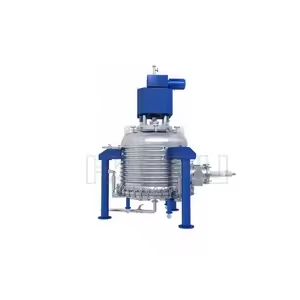
Selecting the right agitator seal for a 3-in-1 Nutsche filter dryer is a critical decision that directly impacts equipment reliability, product quality, and operational costs. An agitator seal serves as the primary barrier preventing fluid leakage from the rotating shaft, which is essential in pharmaceutical, chemical, and food processing applications where containment and hygiene standards are non-negotiable. The wrong agitator seal choice can lead to contamination, equipment downtime, and costly maintenance interventions. Understanding the core factors that influence agitator seal selection ensures your Nutsche filter dryer operates at peak efficiency while maintaining compliance with industry regulations.
The process of selecting an agitator seal involves evaluating multiple technical parameters, operational conditions, and material compatibility requirements. Your choice of agitator seal will influence maintenance schedules, spare parts inventory, and the overall total cost of ownership for your filtration and drying system. By systematically assessing fluid properties, temperature ranges, pressure conditions, and seal design standards, you can confidently specify an agitator seal that aligns with your equipment specifications and production requirements.
Understanding Agitator Seal Design and Function
Core Components and Operating Principles
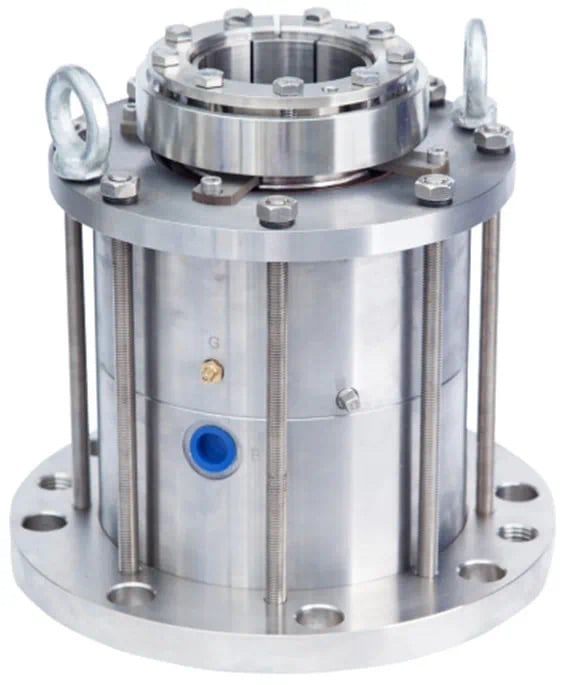
An agitator seal in a Nutsche filter dryer comprises rotating and stationary elements that work together to prevent product leakage around the shaft. The agitator seal design typically includes primary and secondary sealing surfaces, a spring mechanism for pressure maintenance, and bearing elements that support radial and axial loads. During operation, the agitator seal maintains a thin film of lubricant between mating surfaces, which simultaneously reduces friction and prevents fluid escape. Understanding how your agitator seal functions helps you recognize performance issues early and make informed decisions about seal type selection.
Seal Type Categories for Filter Dryer Applications
Common agitator seal configurations include mechanical seals with single-stage designs, dual-chamber seals for enhanced containment, and specialized agitator seal variants that accommodate aggressive media or extreme temperatures. Each agitator seal category offers distinct advantages regarding leakage rates, maintenance intervals, and compatibility with specific fluid chemistries. Single-stage agitator seal designs are suitable for low-pressure applications and non-aggressive liquids, while dual-chamber agitator seal systems provide superior protection in hazardous or sterile environments. Selecting the appropriate agitator seal category requires matching seal design capabilities to your Nutsche filter dryer's actual operating envelope.
Critical Selection Criteria for Agitator Seal Specifications
Fluid Compatibility and Chemical Resistance
The fluid processed through your Nutsche filter dryer directly determines which agitator seal materials will perform reliably over extended service life. Chemical compatibility must address not only the primary product fluid but also cleaning solvents, pH extremes, and any potential aggressive solvents used in your process. An agitator seal specified with elastomers or seal faces that lack compatibility with your process chemistry will degrade rapidly, leading to premature failure and contamination events. Consult detailed chemical compatibility matrices provided by seal manufacturers to verify that your chosen agitator seal materials resist attack from all fluids that contact the seal during normal operation and cleaning cycles.
Temperature, Pressure, and Shaft Speed Conditions
Operating parameters including process temperature, system pressure, and agitator shaft rotation speed collectively define the thermal and mechanical stress environment for your agitator seal. High-temperature applications require agitator seal designs with thermally stable elastomers and heat-resistant seal face materials such as silicon carbide or tungsten carbide. Elevated pressure conditions increase the force acting on the agitator seal, necessitating robust spring mechanisms and geometrically optimized seal faces to prevent micro-slip and friction-induced wear. Shaft speed influences hydrodynamic film thickness and heat generation; therefore, your agitator seal must be rated for the maximum operating shaft speed of your Nutsche filter dryer to ensure stable sealing film formation and acceptable temperature gradients.
Implementation and Compatibility Verification
Mechanical Interface and Equipment Integration
Proper agitator seal installation requires precise dimensional compatibility with the shaft diameter, seal chamber geometry, and flush or cooling system infrastructure of your specific Nutsche filter dryer model. Mismatched agitator seal dimensions introduce leakage paths or create excessive squeeze that accelerates elastomer extrusion and material degradation. Before ordering replacement agitator seal units, verify the exact shaft diameter, seal cavity design, and any equipment-specific modifications that may affect agitator seal fitment. Many modern Nutsche filter dryer systems support standardized agitator seal interfaces, but confirming compatibility prevents costly installation errors and equipment damage.
Seal Support Systems and Auxiliary Equipment
An agitator seal rarely operates in isolation; most industrial Nutsche filter dryer installations incorporate flush systems, cooling jackets, or barrier fluid chambers that work in concert with the agitator seal to manage temperature and extend seal life. Your agitator seal selection must account for these support systems, ensuring the seal design is compatible with circulation flows, fluid pressures, and any specialized additives present in flush or cooling circuits. If your Nutsche filter dryer includes a agitator seal with integrated cooling passages or external barrier chambers, confirm that your equipment provides the necessary infrastructure to support these design features. Neglecting auxiliary system compatibility can undermine even well-specified agitator seal performance.
Maintenance and Long-Term Agitator Seal Performance
Inspection Intervals and Early Warning Indicators
Establishing a routine inspection schedule for your agitator seal is essential to detect degradation before catastrophic failure occurs. Early warning signs of agitator seal problems include gradual leakage increase, visible product staining around the shaft housing, temperature rise at the seal chamber, or audible changes in agitator noise patterns. Regular monitoring of agitator seal performance over multiple production batches helps distinguish normal wear from premature degradation triggered by incompatible fluids, process excursions, or mechanical misalignment. Documented inspection records provide valuable historical context that informs future agitator seal selection decisions and helps optimize seal replacement intervals based on actual equipment experience.
Spare Parts Strategy and Supply Chain Considerations
Maintaining inventory of replacement agitator seal components appropriate for your Nutsche filter dryer minimizes unplanned downtime when seal wear exceeds acceptable limits. Selecting a standardized agitator seal platform across your equipment fleet simplifies procurement, reduces inventory complexity, and improves supply chain responsiveness during maintenance events. Consult with your agitator seal manufacturer regarding lead times, storage conditions for spare components, and any technical support services they offer for troubleshooting seal performance issues. A proactive spare parts strategy transforms agitator seal maintenance from a reactive crisis response into a planned, manageable aspect of your equipment care program.
FAQ
How does selecting the wrong agitator seal affect Nutsche filter dryer performance?
Choosing an incompatible agitator seal results in rapid fluid leakage, product contamination, and potential environmental hazards. An inappropriate agitator seal choice also forces more frequent maintenance interventions, increases overall operating costs, and may compromise your ability to meet sterility or purity requirements mandated by regulatory standards. Equipment downtime associated with premature agitator seal failure can disrupt production schedules and damage customer relationships.
What is the typical service life of an agitator seal in industrial Nutsche filter dryers?
Service life for an agitator seal typically ranges from 6 to 24 months depending on process chemistry, operating temperature, shaft speed, and maintenance quality. An agitator seal exposed to aggressive chemicals or temperature extremes may require replacement every 6 to 12 months, while an agitator seal operating under mild conditions in clean, compatible fluids can often function reliably for 18 to 24 months. Regular monitoring and condition-based maintenance help maximize the actual agitator seal service life achievable in your specific operational context.
Can a single agitator seal design work across different Nutsche filter dryer models?
Most modern Nutsche filter dryer manufacturers adopt standardized shaft sizes and seal cavity geometries, allowing a single agitator seal design to fit multiple equipment models. However, operational parameters such as maximum shaft speed, pressure rating, and temperature limits may differ among models, meaning the agitator seal must be verified against each specific equipment specification. Always confirm shaft diameter, cavity configuration, and operational envelope before assuming an agitator seal is interchangeable between different Nutsche filter dryer installations.