 EN
EN


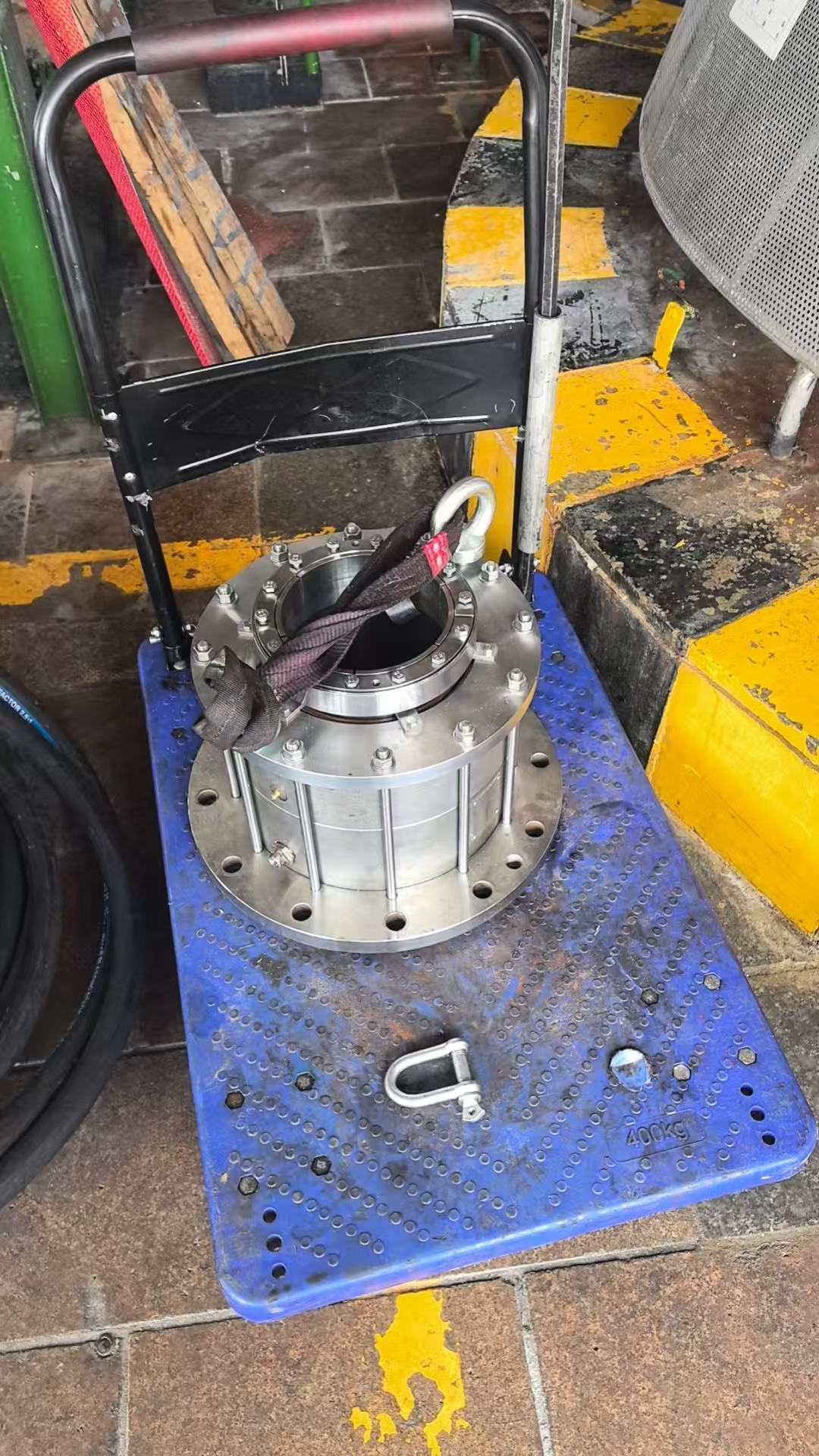
Chemical slurry pumps operate in some of the most demanding industrial environments, where seal failure can result in catastrophic downtime and safety hazards. Cartex seals have long been recognized as reliable components in these applications, but many operators and maintenance teams seek Cartex seal alternatives that deliver comparable performance at competitive costs or with enhanced durability characteristics. Understanding the available Cartex seal alternatives empowers you to make informed decisions about your pump protection strategy without compromising on reliability or operational efficiency.
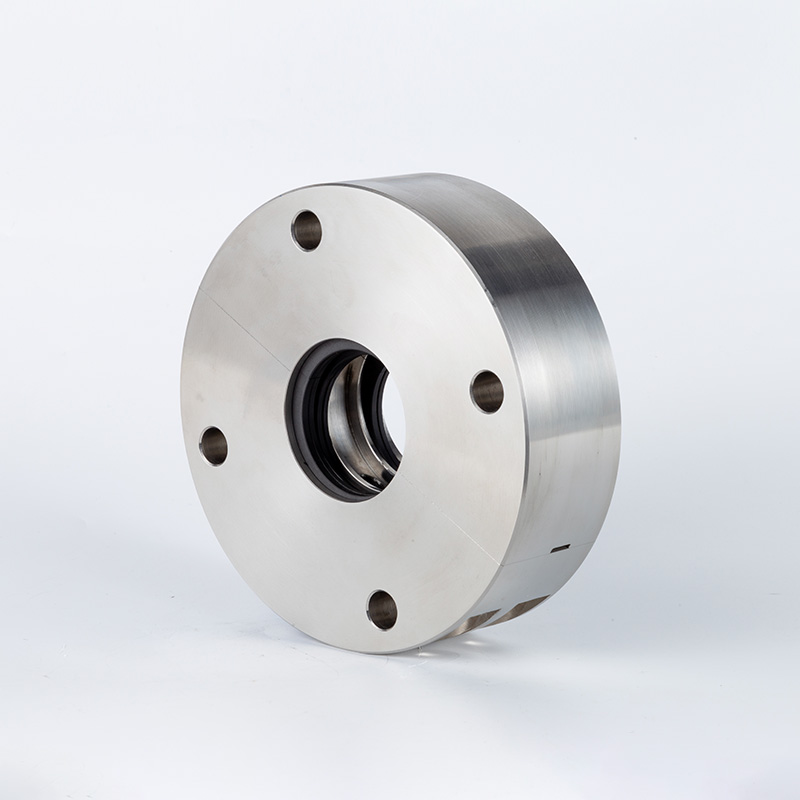
The selection of Cartex seal alternatives requires careful evaluation of material composition, operating temperature ranges, chemical compatibility, and pressure ratings. When chemical slurry pumps handle abrasive solids suspended in corrosive liquids, the seal must withstand simultaneous mechanical wear, thermal stress, and chemical attack. This comprehensive guide explores high-performance equivalent options, helping you identify which Cartex seal alternatives best suit your specific application needs.
Understanding Cartex Seal Performance Standards
Material Composition and Durability Factors
Cartex seals are engineered with specific material combinations designed to resist chemical degradation and mechanical wear. The primary seal face typically consists of tungsten carbide or silicon carbide, paired with elastomeric bellows made from EPDM, FKM, or specialty compounds. When evaluating Cartex seal alternatives, you must ensure the substitute materials match or exceed these performance characteristics. The hardness of the seal face determines its resistance to abrasive particles, while the elastomer selection directly impacts chemical resistance and service life in aggressive slurry environments.
Temperature and Pressure Operating Ranges
Cartex seals typically operate across temperature ranges of minus 10 to plus 80 degrees Celsius, with pressure ratings extending to 25 bar in standard configurations. Cartex seal alternatives must maintain seal integrity within your specific operating window without performance degradation. Higher temperature applications may require upgraded seal designs with different elastomer formulations, while high-pressure systems need reinforced gland components. Mismatched Cartex seal alternatives that don't accommodate your actual temperature and pressure profile will fail prematurely, leading to unexpected maintenance costs and operational disruption.
Equivalent Seal Solutions for Chemical Slurry Applications
Mechanical Seal Design Alternatives
High-performance Cartex seal alternatives incorporating advanced mechanical seal technology offer enhanced reliability in demanding chemical slurry environments. Single-cartridge designs reduce installation complexity and improve alignment accuracy compared to traditional split-seal configurations. These Cartex seal alternatives feature self-aligning capabilities that accommodate minor shaft runout and housing deflection, common issues in slurry pump installations. The cartridge format also simplifies replacement procedures, reducing downtime and maintenance skill requirements when seal change-outs become necessary.
Enhanced Material Grades and Composite Options
Modern Cartex seal alternatives incorporate composite seal faces combining silicon carbide with advanced ceramic matrices, delivering superior abrasion resistance compared to traditional tungsten carbide designs. These upgraded materials extend service intervals significantly in highly abrasive slurries containing sand, silica, or mineral concentrates. Specialty elastomers formulated for extreme chemical environments represent another category of Cartex seal alternatives, particularly for applications handling aggressive acids, caustics, or solvents. The investment in premium material upgrades often justifies itself through reduced seal replacement frequency and extended equipment availability.
Selection Criteria for Choosing the Right Alternative
Chemical Compatibility Assessment
Your chemical slurry composition fundamentally determines which Cartex seal alternatives will succeed in your installation. Seals intended for neutral slurries containing silica differ substantially from those designed for acidic mine tailings or alkaline industrial waste streams. Evaluate the elastomer material against each component in your slurry, not just the primary liquid phase. Many Cartex seal alternatives fail because the secondary elastomers weren't selected for compatibility with trace corrosives or oxidizing particles in the actual pumped medium. Request chemical compatibility matrices from seal manufacturers and cross-reference your complete slurry composition before committing to alternative seal products.
Cost-Benefit Analysis and Total Cost of Ownership
While Cartex seal alternatives might carry lower upfront purchase prices, the true evaluation metric should focus on total cost of ownership across the planned service interval. A premium alternative delivering 50 percent longer service life justifies its higher initial investment through reduced labor costs, fewer replacement events, and minimized production interruptions. Compare seal alternatives based on cost per operating hour rather than simple unit price. Additionally, consider whether Cartex seal alternatives you're evaluating are stocked locally or require special ordering that could extend your maintenance response time when emergencies occur.
Installation Compatibility and Gland Requirements
Not all Cartex seal alternatives fit existing pump gland housings without modification. Verify that candidate Cartex seal alternatives match your pump's seal chamber dimensions, shaft diameter, and gland thread specifications. Some alternatives require different installation tools or technique adjustments that could introduce alignment errors if your maintenance team isn't properly trained. Consult with your pump manufacturer regarding their approved Cartex seal alternatives list to ensure the substitute won't void equipment warranties or compromise structural integrity. This compatibility verification prevents costly installation failures and ensures the Cartex seal alternatives you select will integrate seamlessly into your existing infrastructure.
Implementation Best Practices for Seal Alternatives
Testing and Validation Protocols
Before committing your full pump fleet to new Cartex seal alternatives, implement a structured pilot program evaluating the alternative seals under your actual operating conditions. Install Cartex seal alternatives in a representative pump system and monitor performance metrics including leakage rates, vibration signatures, and temperature behavior throughout an extended trial period. Document all maintenance observations and compare reliability data against your baseline Cartex seal performance. This validation approach minimizes the risk of large-scale rollout failure and provides operational evidence justifying the Cartex seal alternatives investment to stakeholders concerned about performance changes.
Maintenance Protocol Adaptations
Different Cartex seal alternatives may require adjusted maintenance schedules, inspection frequencies, or lubrication protocols compared to your standard Cartex procedures. Review manufacturer documentation for each Cartex seal alternatives option you deploy, identifying any deviations from your current maintenance practices. Some alternatives might require specialized flushing solutions, while others benefit from revised operating procedures to optimize their performance characteristics. Train your maintenance personnel on these distinctions to ensure they recognize warning signs unique to the Cartex seal alternatives you've selected, improving early problem detection and preventing catastrophic failures.
FAQ
What performance metrics should I use to compare Cartex seal alternatives?
Compare Cartex seal alternatives using leakage rate specifications, material hardness ratings, temperature and pressure operating limits, and verified service life data from independent testing. Beyond specifications, evaluate total cost of ownership across the expected service interval, factoring in labor costs for replacement and production losses from unplanned downtime. Chemical compatibility certifications and independent performance data from pumps similar to yours provide the most reliable evaluation foundation for Cartex seal alternatives.
Can I retrofit existing pump installations with Cartex seal alternatives?
Many Cartex seal alternatives are designed as direct replacements requiring no gland modifications or installation changes, while others may need minimal adaptations. Always verify dimensional compatibility and gland specifications before retrofitting Cartex seal alternatives into existing installations. Consult your pump documentation or contact the manufacturer to confirm whether your specific pump model supports the Cartex seal alternatives you're considering without requiring hardware modifications or engineering changes.
How do I identify counterfeit or substandard Cartex seal alternatives?
Purchase Cartex seal alternatives exclusively from authorized distributors and request complete material certifications and performance test data with every order. Genuine Cartex seal alternatives will include detailed product documentation, manufacturing traceability information, and warranty coverage. Extremely low-priced Cartex seal alternatives or sellers unable to provide technical specifications and third-party verification should raise concerns about product authenticity and quality standards.