 EN
EN


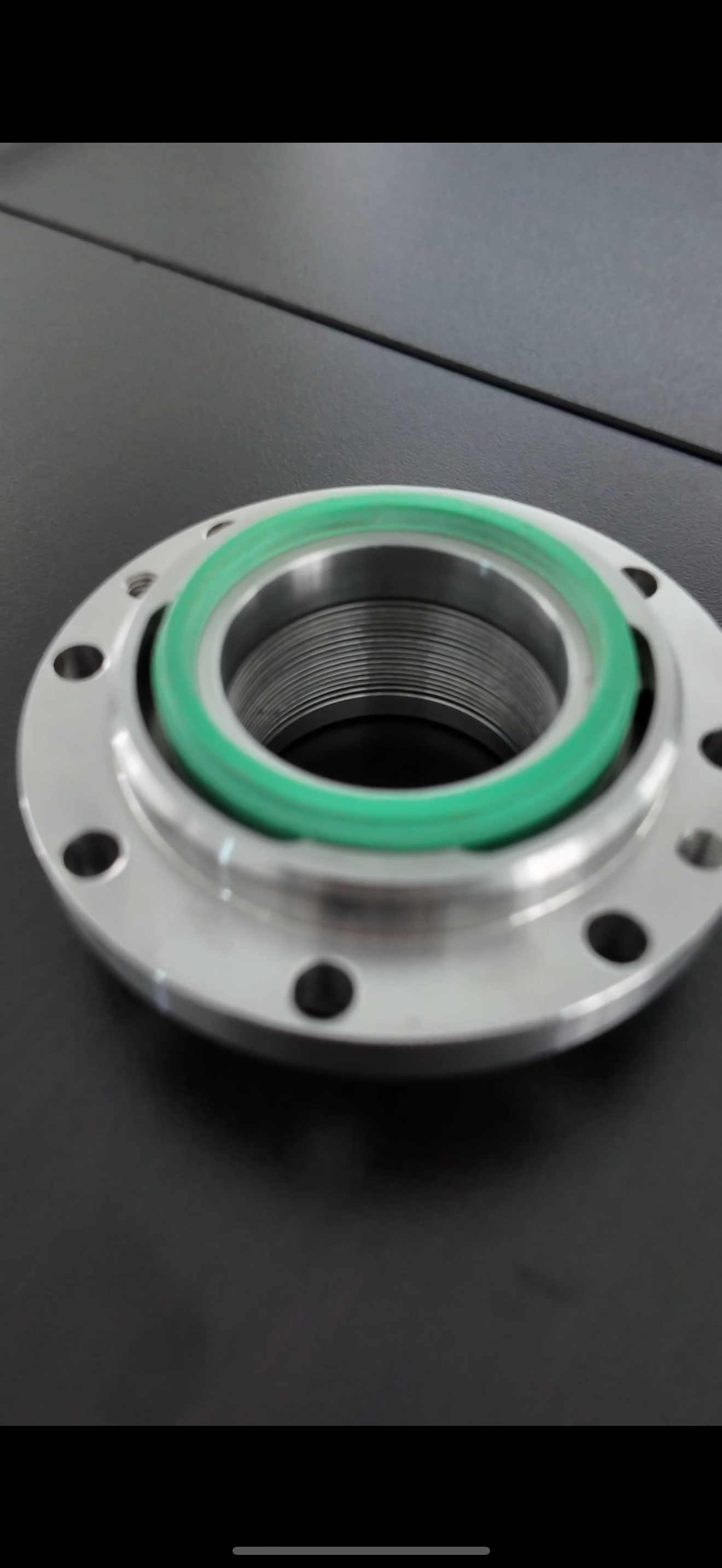
Selecting the right mechanical seal types for your application is one of the most critical decisions in maintaining pump reliability and operational efficiency. Different mechanical seal types perform under vastly different conditions, and choosing the wrong one can lead to costly downtime, product contamination, or equipment failure. Understanding the distinct characteristics of each mechanical seal types category allows you to match your specific operational requirements with the appropriate seal solution, ultimately protecting your investment and extending equipment life.
The process of evaluating mechanical seal types requires a thorough understanding of your operating environment, fluid characteristics, temperature range, and pressure conditions. Every industrial facility faces unique challenges, and the mechanical seal types you select must align precisely with these demands. This guide walks you through the principal mechanical seal types available today, helping you determine which mechanical seal types offer the best fit for your pumping system and operational goals.
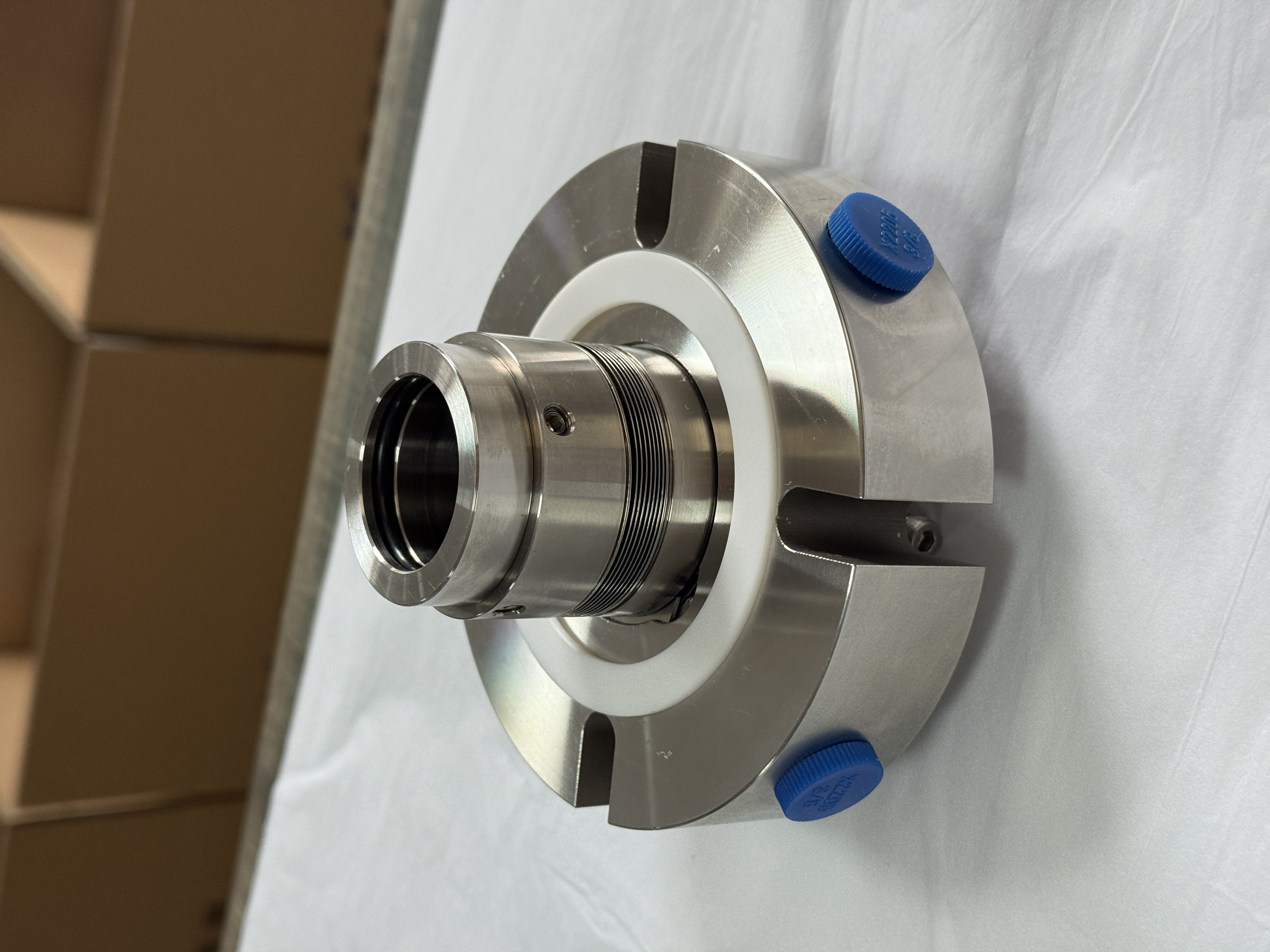
Understanding Core Mechanical Seal Types and Their Design Principles
Single Face Mechanical Seal Types and Basic Operation
Single face mechanical seal types represent the most common and cost-effective sealing solution across industrial applications. These mechanical seal types feature one seal face on the rotating shaft and one on the stationary housing, creating a dynamic seal interface that responds to pump operation. Single face mechanical seal types work through precise contact between the seal faces, where one rotates with the shaft while the other remains stationary, allowing a thin fluid film to maintain separation and prevent leakage. The simplicity of single face mechanical seal types makes them ideal for applications with stable conditions, lower pressures, and temperatures within moderate ranges.
Within single face mechanical seal types, you will find variations designed for specific fluid properties and environmental factors. These mechanical seal types accommodate both inboard and outboard mounting configurations, providing flexibility across different pump designs. The durability of single face mechanical seal types depends heavily on proper installation, material selection, and maintenance practices that prevent seal degradation over time.
Double Face Mechanical Seal Types for Demanding Environments
Double face mechanical seal types employ two seal stages, with each stage providing independent sealing action that offers superior reliability in harsh conditions. These mechanical seal types feature two seal faces on the rotating shaft and corresponding faces on the stationary components, creating redundant protection against leakage. Double face mechanical seal types excel in applications involving high pressures, extreme temperatures, or hazardous fluids where equipment failure cannot be tolerated. The dual-stage design of mechanical seal types in this category provides backup protection if one seal stage degrades, significantly extending operational life.
Double face mechanical seal types typically command a higher initial investment than single stage alternatives, yet they deliver superior performance metrics and extended service intervals. These mechanical seal types reduce maintenance frequency and emergency repair costs by preventing catastrophic seal failures that compromise system integrity. The redundancy built into mechanical seal types of this classification makes them the preferred choice for mission-critical applications across pharmaceutical, chemical processing, and food production industries.
Material Composition and Performance Factors in Mechanical Seal Types
Elastomer Selection Within Mechanical Seal Types Categories
The elastomer material used in mechanical seal types directly influences compatibility with pumped fluids and operating temperature ranges. Mechanical seal types employ several elastomer options, including Buna-N for general industrial applications, EPDM for water-based systems, and specialized fluoropolymers for aggressive chemical environments. Selecting the correct elastomer within mechanical seal types ensures that seal flexibility remains constant throughout the equipment lifecycle, preventing hardening or degradation that compromises sealing effectiveness. Each mechanical seal types formulation balances chemical resistance, temperature tolerance, and mechanical properties to maximize seal longevity.
Temperature extremes present particular challenges when evaluating mechanical seal types, as elastomer materials lose resilience at elevated temperatures and become brittle in cold conditions. High-performance mechanical seal types utilize advanced elastomer compounds that maintain consistent properties across wider temperature bands, supporting operations in cryogenic or high-temperature environments. Understanding the thermal limits of different mechanical seal types ensures you avoid premature failure and maintain system reliability.
Face Material Selection in Mechanical Seal Types
The primary seal faces in mechanical seal types are manufactured from materials selected for hardness, wear resistance, and chemical compatibility. Mechanical seal types commonly incorporate carbon faces paired with ceramic or tungsten carbide for demanding applications where abrasive particles or corrosive fluids are present. Mechanical seal types with premium face materials exhibit substantially lower wear rates and maintain seal integrity across extended service intervals. The combination of face materials in mechanical seal types must be carefully matched to your fluid characteristics and operational stresses to prevent accelerated wear patterns.
Premium mechanical seal types feature hard-on-hard face combinations, such as ceramic-on-ceramic or tungsten carbide pairs, that deliver exceptional durability in hostile environments. These mechanical seal types withstand extreme pressures, chemical attack, and abrasive conditions that rapidly degrade conventional seal face materials. Selecting mechanical seal types with appropriate face materials represents a critical investment decision that directly impacts total cost of ownership.
Application-Specific Considerations When Selecting Mechanical Seal Types
Pressure and Temperature Operating Ranges for Mechanical Seal Types
Every mechanical seal types product carries specific pressure and temperature ratings that establish safe operational boundaries for your equipment. Mechanical seal types designed for low-pressure applications typically operate below 50 PSI, while medium-duty mechanical seal types handle pressures to 250 PSI, and heavy-duty mechanical seal types accommodate pressures exceeding 500 PSI. Temperature ratings for mechanical seal types vary similarly, with standard mechanical seal types functioning within 32°F to 200°F ranges and specialty mechanical seal types extending these boundaries significantly. Operating mechanical seal types beyond their rated limits accelerates elastomer degradation, compromises seal face contact, and dramatically shortens equipment life.
Accurate pressure and temperature profiling of your system is essential before selecting mechanical seal types for your application. Peak operating conditions during normal service rarely match average conditions, so mechanical seal types selection must account for temperature spikes during startup sequences or pressure surges from system transients. Conservative mechanical seal types selection, incorporating safety margins above anticipated maximum conditions, prevents costly failures and maintains operational reliability.
Fluid Compatibility and Chemical Resistance in Mechanical Seal Types
The pumped fluid directly determines which mechanical seal types materials will perform reliably without degradation or swelling. Water-based systems require mechanical seal types with elastomers resistant to hydrolysis and oxidation, while petroleum products demand different mechanical seal types incorporating specialized hydrocarbon-resistant compounds. Aggressive chemicals, solvents, and caustic substances necessitate careful mechanical seal types selection with materials proven compatible through laboratory testing or field experience data. Incompatible mechanical seal types materials swell, soften, or become brittle when exposed to incompatible fluids, resulting in rapid seal failure.
Many facilities overlook the importance of verifying fluid compatibility when specifying mechanical seal types, leading to unexpected equipment failures and production interruptions. Always request material compatibility data from seal manufacturers before finalizing mechanical seal types selections, ensuring that elastomers and face materials will withstand your specific fluid composition throughout the seal lifecycle. This diligence prevents expensive rework and maintains system integrity.
Maintenance and Longevity Impact of Mechanical Seal Types Selection
Installation Best Practices Affecting Mechanical Seal Types Performance
Proper installation fundamentally determines whether mechanical seal types will achieve their rated service life or fail prematurely due to misalignment, contamination, or improper assembly. Most mechanical seal types failures originate from installation errors rather than design defects, making installation quality one of the most critical success factors. Following manufacturer guidelines precisely when installing mechanical seal types ensures correct axial positioning, radial alignment, and spring preload adjustment that optimizes seal performance. Contamination during installation can permanently damage the finely-finished seal faces in mechanical seal types, so maintaining clean assembly environments is essential.
Training your maintenance personnel on proper mechanical seal types installation procedures prevents costly mistakes that compromise system reliability. Many mechanical seal types failures traced back to installation issues could have been completely prevented through disciplined adherence to installation protocols and quality control checkpoints. Investing in proper installation support when deploying mechanical seal types protects your equipment and extends seal longevity significantly.
Preventive Maintenance Programs for Mechanical Seal Types Systems
Establishing regular monitoring and preventive maintenance schedules directly extends the service life of installed mechanical seal types and prevents unexpected failures. Routine inspection of mechanical seal types for visible leakage, temperature changes, or vibration anomalies allows early detection of seal degradation before catastrophic failure occurs. Temperature monitoring on mechanical seal types housings provides early warning of increased friction that indicates seal face wear or alignment issues. Vibration analysis can identify mechanical seal types failures developing within the equipment before they manifest as visible leakage or performance losses.
Mechanical seal types benefit dramatically from planned replacement schedules based on historical performance data and manufacturer recommendations. Rather than waiting for mechanical seal types failures to interrupt operations, proactive replacement during scheduled maintenance windows minimizes downtime and prevents collateral damage to pump components. Comprehensive mechanical seal types management programs reduce total operating costs and maintain system reliability across your facility's equipment portfolio.
FAQ
What are the main differences between single and double mechanical seal types?
Single mechanical seal types feature one seal stage with cost-effective operation suitable for standard conditions, while double mechanical seal types employ dual stages providing redundant protection for high-pressure, high-temperature, or hazardous fluid applications. Single mechanical seal types cost less initially but double mechanical seal types offer extended service life and superior reliability in demanding environments, making them the better choice for mission-critical equipment despite higher upfront investment.
How do I determine which mechanical seal types material is compatible with my pumped fluid?
Request detailed material compatibility charts from seal manufacturers and verify elastomer and face material selections against your specific fluid composition, temperature range, and pressure conditions. Always conduct compatibility testing or consult application engineers before finalizing mechanical seal types selections, as incompatible materials will swell, degrade, or become brittle, leading to premature seal failure and potential equipment damage.
Can mechanical seal types be installed by untrained personnel without professional supervision?
Installation of mechanical seal types requires trained technicians who understand proper alignment, axial positioning, spring preload adjustment, and contamination prevention procedures. Improper installation of mechanical seal types represents the leading cause of premature seal failures, so professional installation or comprehensive personnel training is essential to achieve rated service life and system reliability from your mechanical seal types investment.