Mechanical seal refurbishment
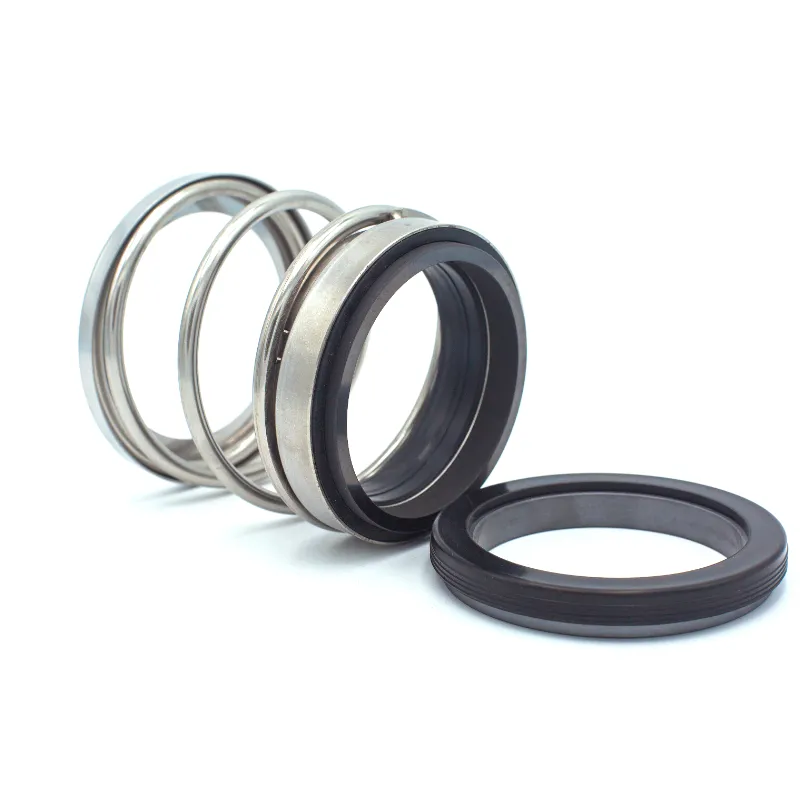
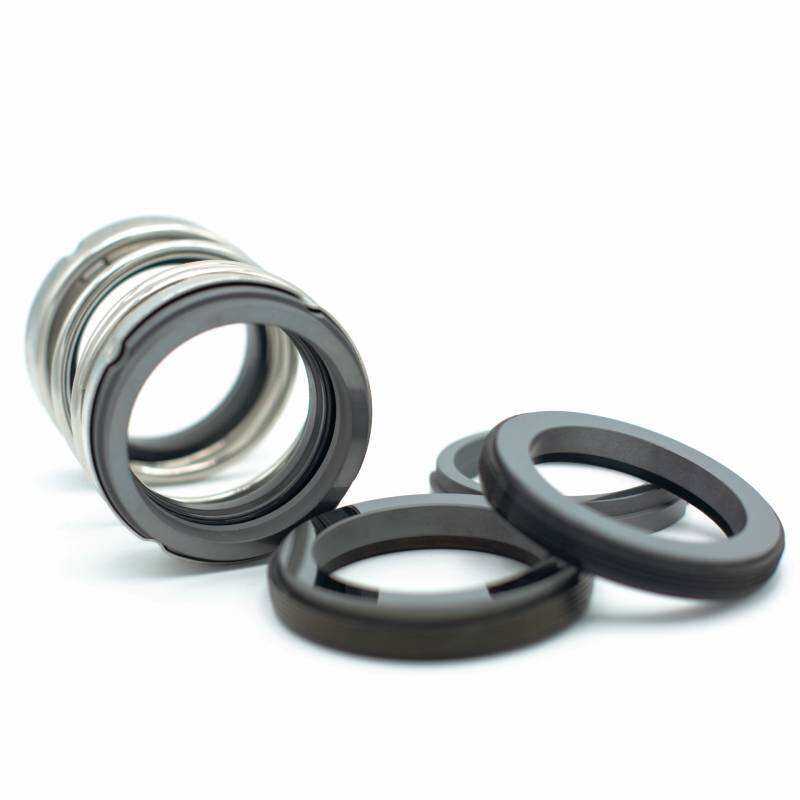
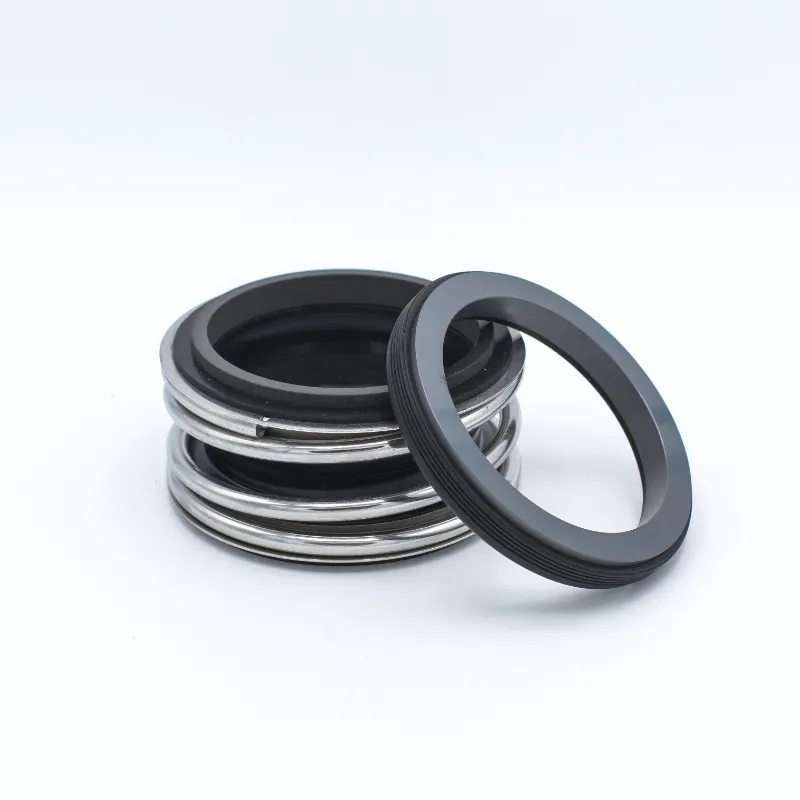
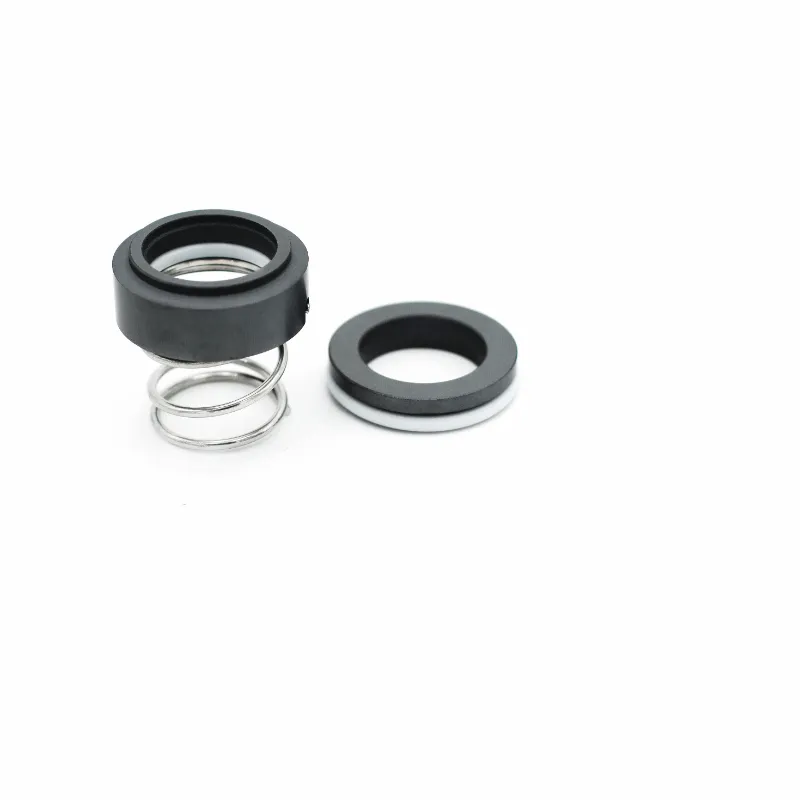
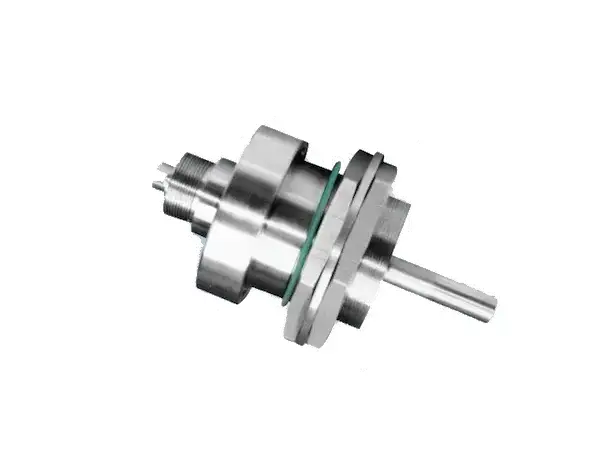
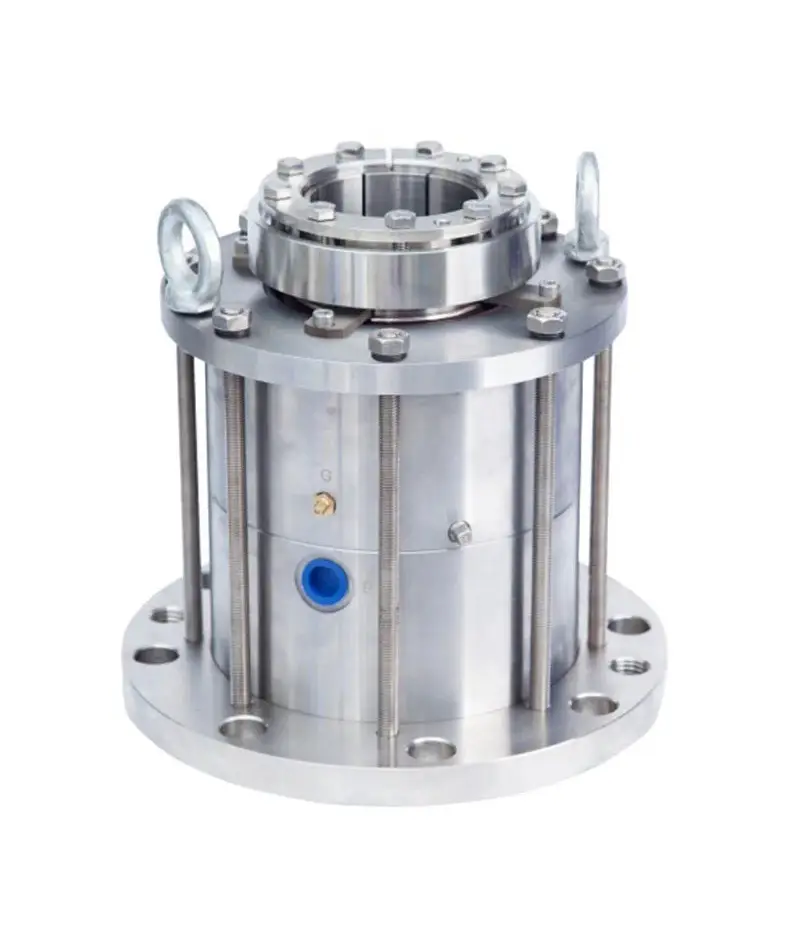
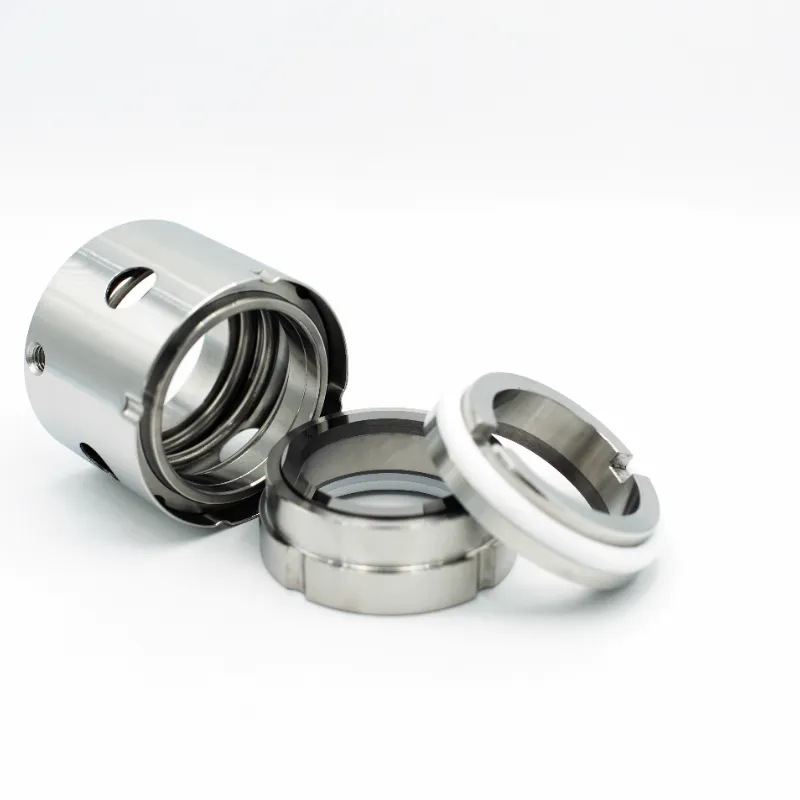
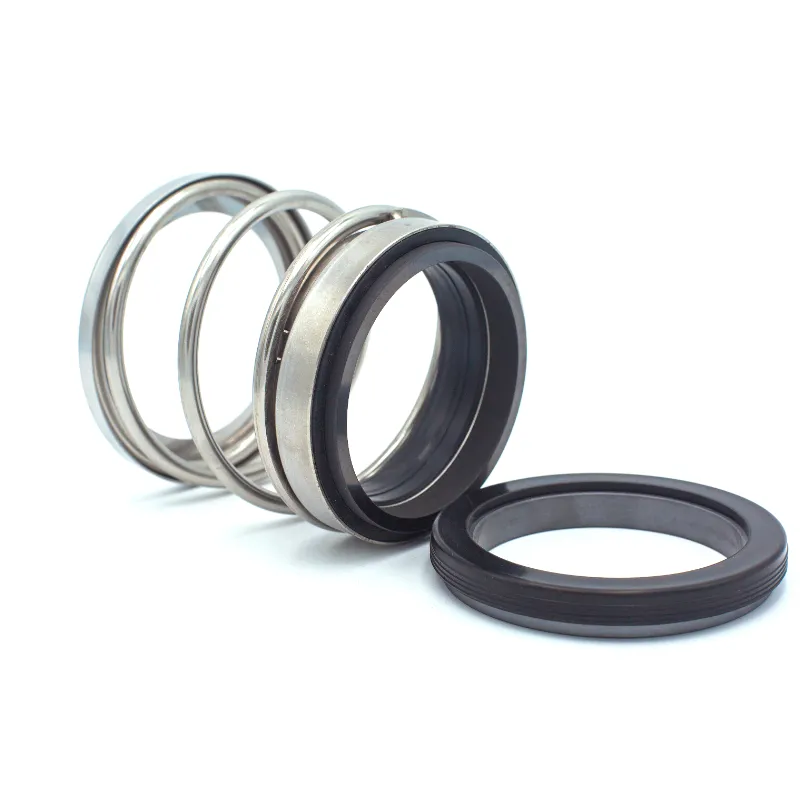
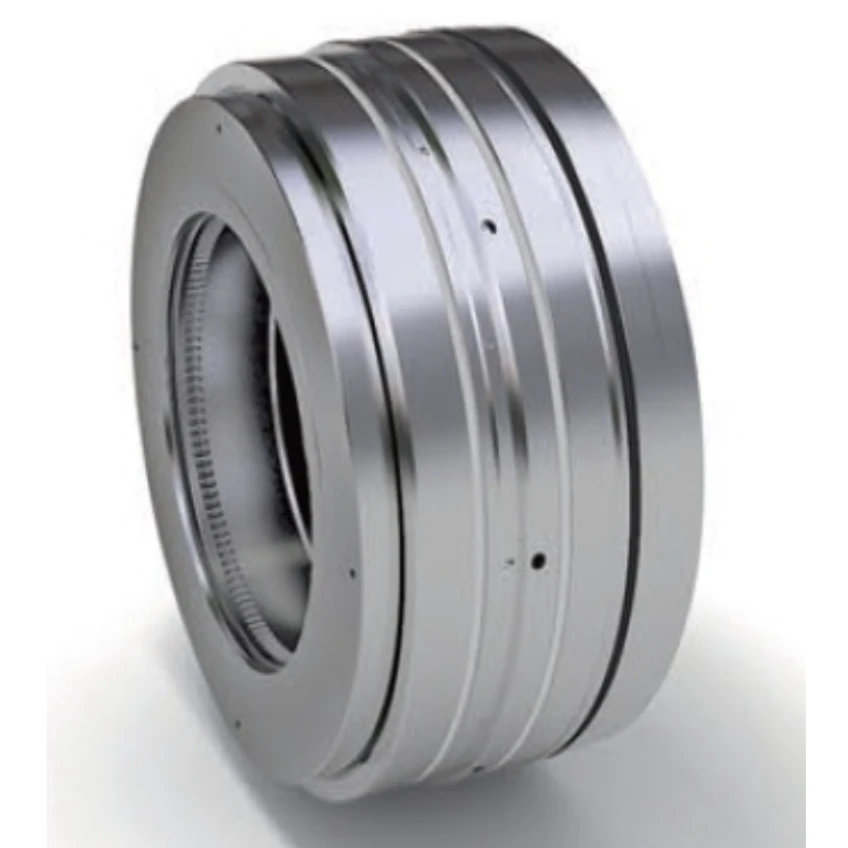
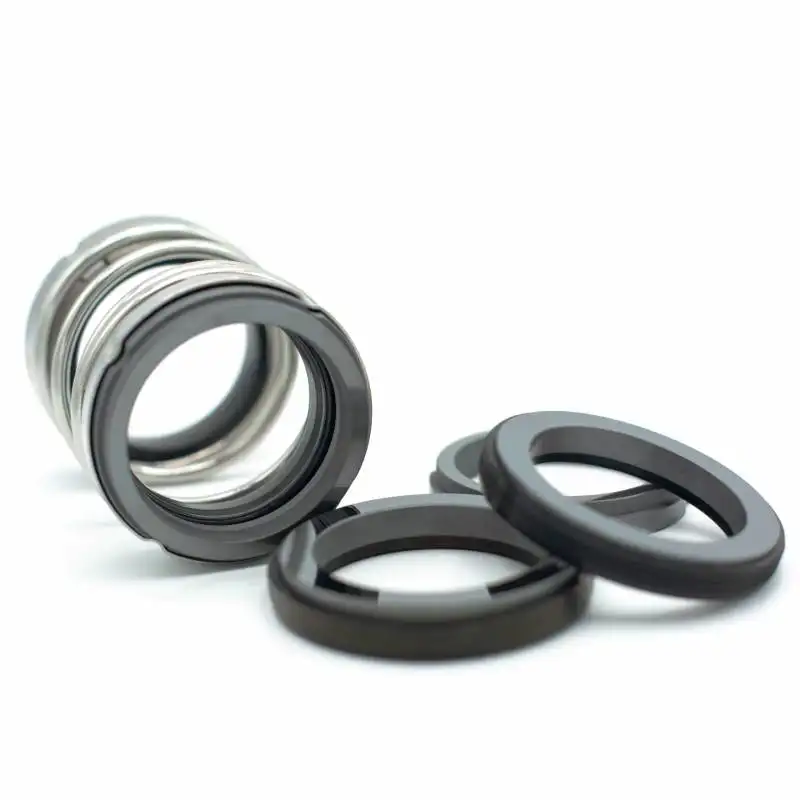
Mechanical seal refurbishment represents a comprehensive restoration process that breathes new life into worn or damaged mechanical sealing systems across various industrial applications. This specialized service involves the complete disassembly, inspection, repair, and reassembly of mechanical seals to restore their original performance specifications and extend their operational lifespan significantly. The primary function of mechanical seal refurbishment centers on eliminating leakage issues while maintaining optimal sealing performance between rotating and stationary equipment components. Through systematic evaluation and restoration procedures, technicians identify worn components such as seal faces, O-rings, springs, and hardware elements that require replacement or repair. The technological features of mechanical seal refurbishment incorporate advanced diagnostic techniques, precision measurement tools, and state-of-the-art materials to ensure restored seals meet or exceed original equipment manufacturer standards. Modern refurbishment facilities utilize sophisticated testing equipment to verify seal integrity, dimensional accuracy, and performance characteristics before returning units to service. The process typically includes thorough cleaning using specialized solvents and ultrasonic baths, detailed component inspection under magnification, precision machining of worn surfaces, and careful reassembly using new elastomeric components and hardware. Applications for mechanical seal refurbishment span numerous industries including chemical processing, petroleum refining, water treatment, pharmaceutical manufacturing, food and beverage production, and power generation. Pumps, compressors, mixers, reactors, and rotating equipment in these sectors benefit from professional refurbishment services that restore reliable sealing performance while reducing operational costs. The refurbishment process addresses common seal failure modes such as face wear, secondary seal degradation, spring fatigue, and corrosion damage through targeted repair strategies. Quality assurance protocols ensure refurbished mechanical seals undergo rigorous testing procedures including pressure testing, leak detection, and performance validation before shipment. Environmental benefits include reduced waste generation through component reuse and extended equipment lifecycles that minimize the need for new seal manufacturing.
 EN
EN