High-Performance Aerospace Seals
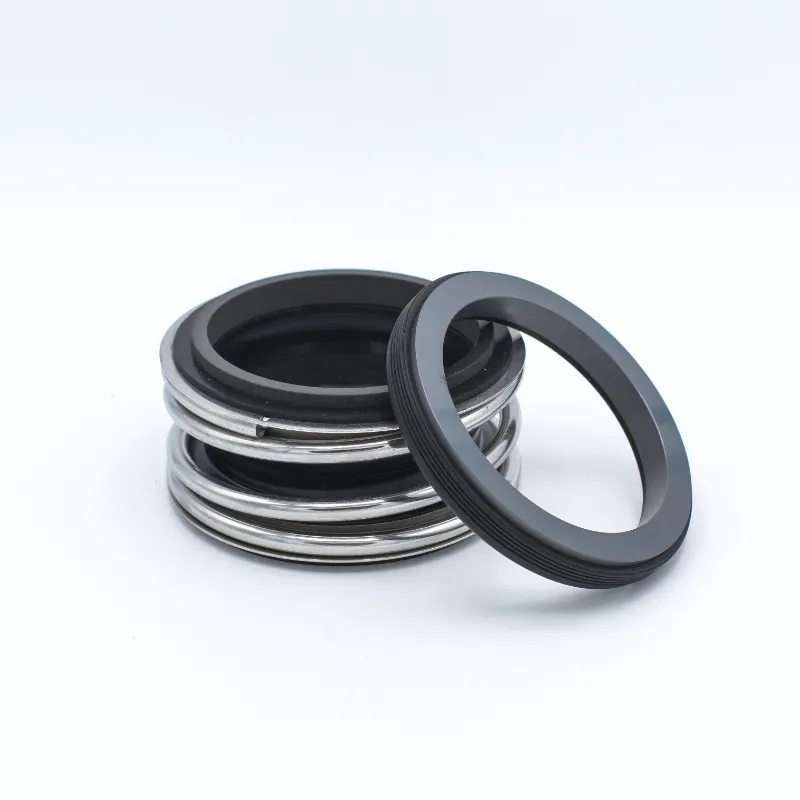
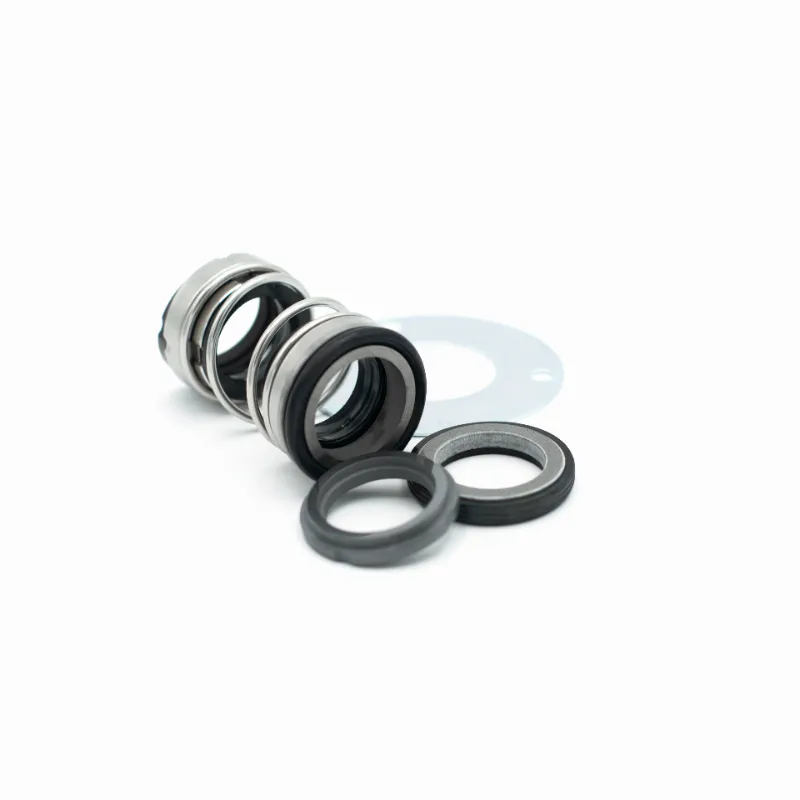
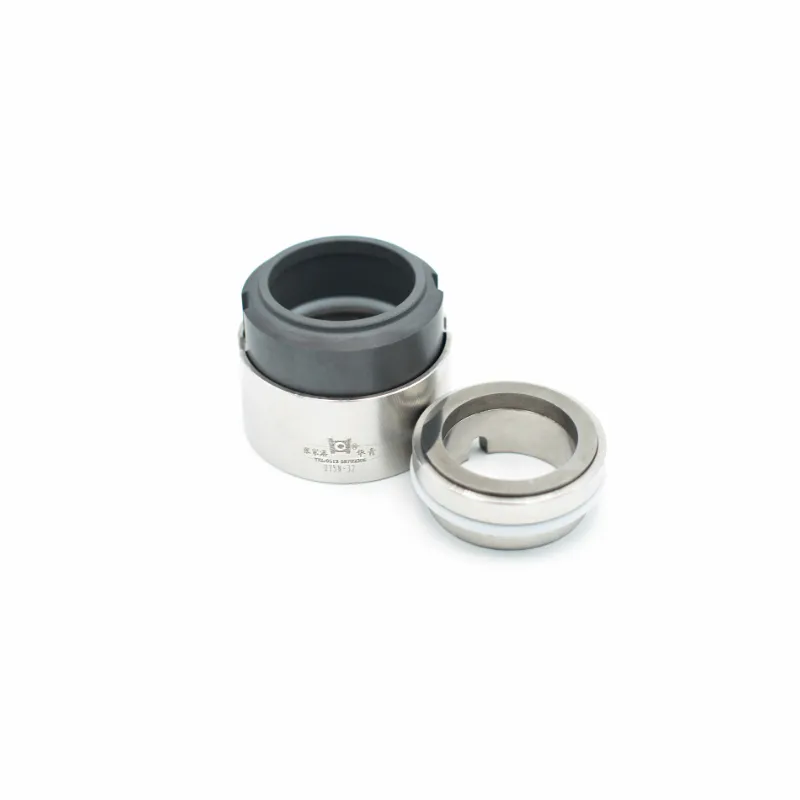
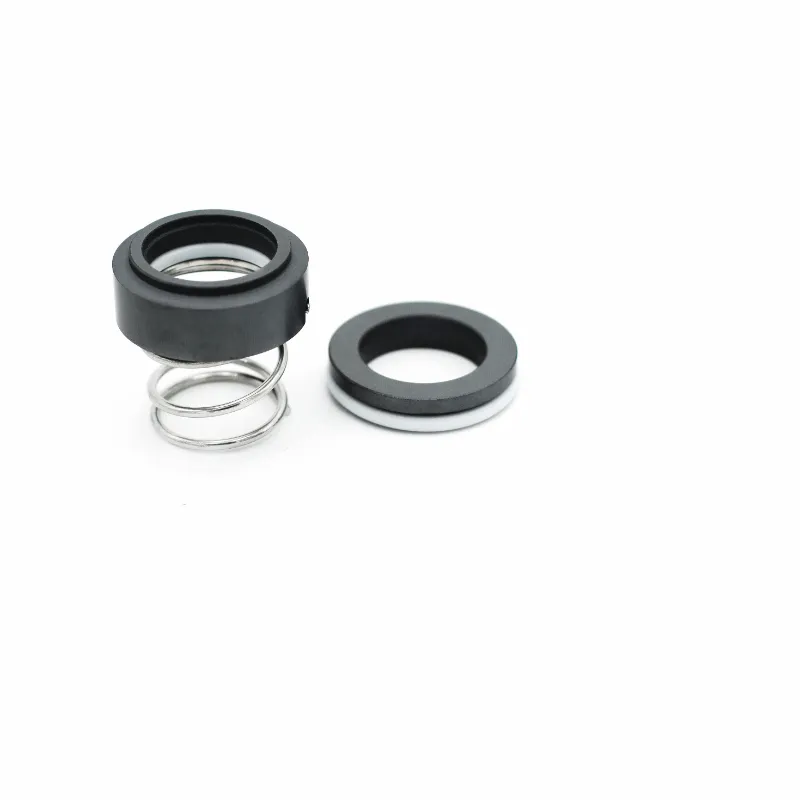
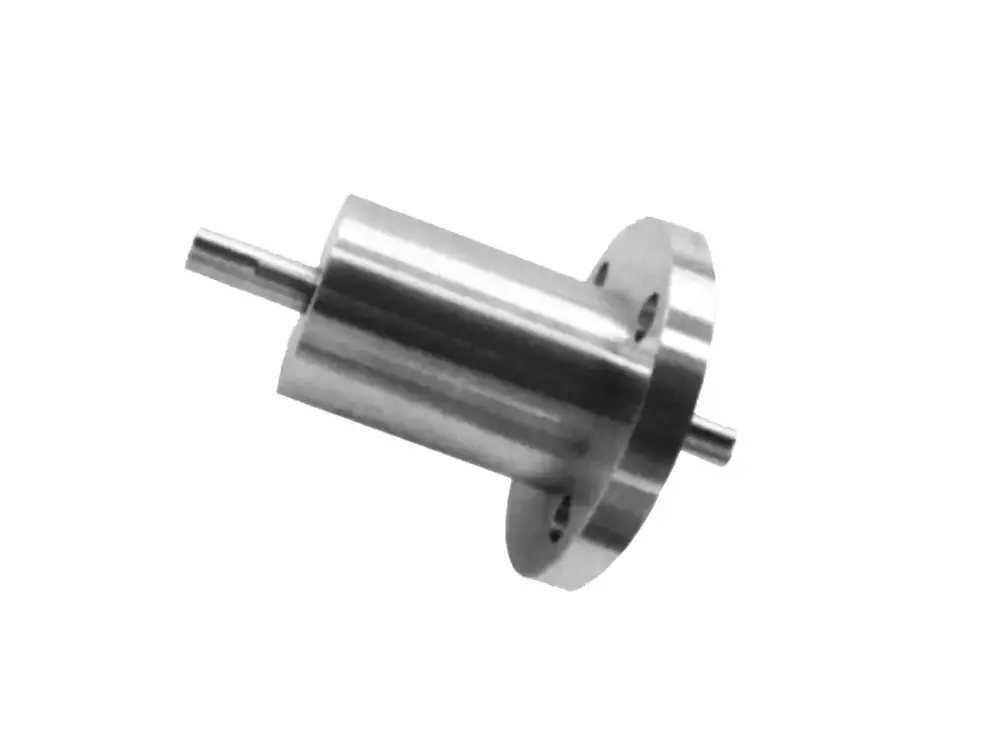
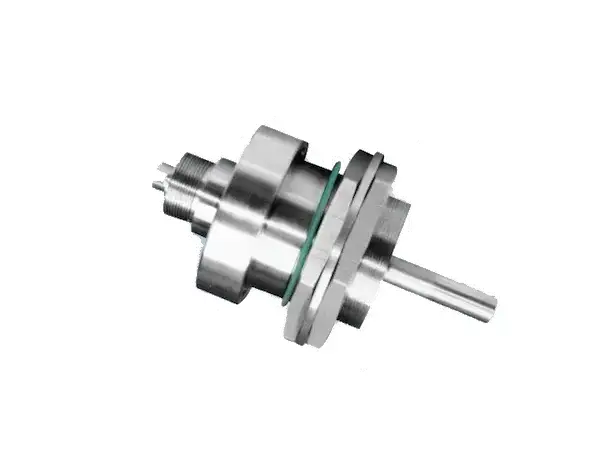
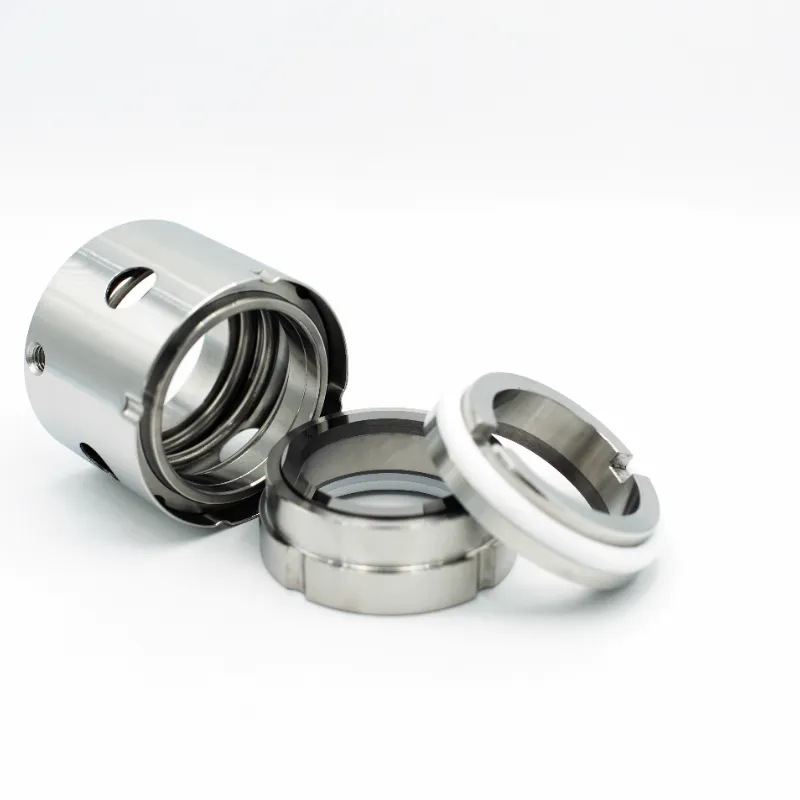
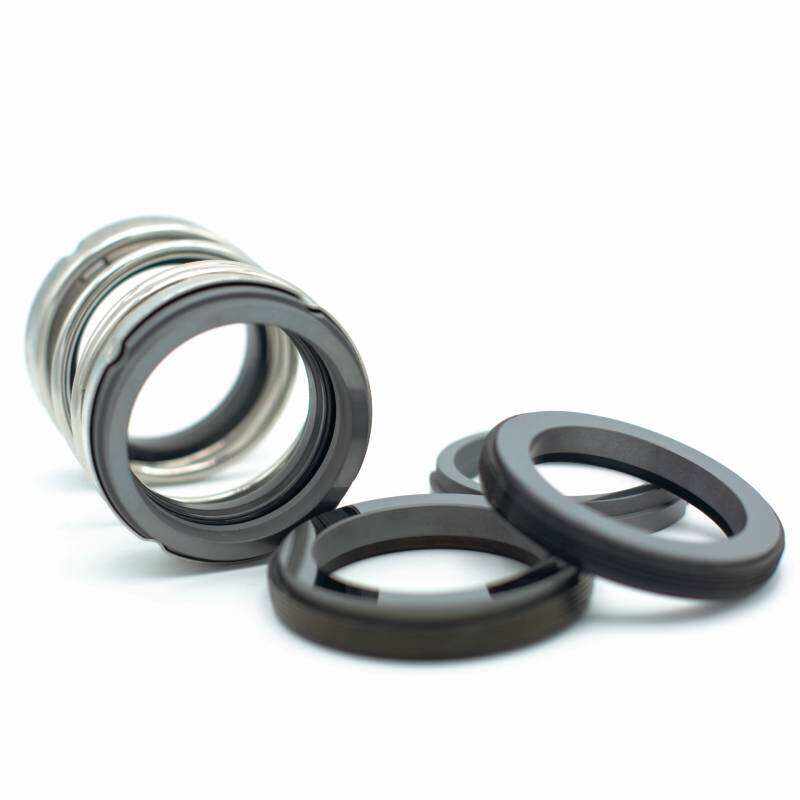
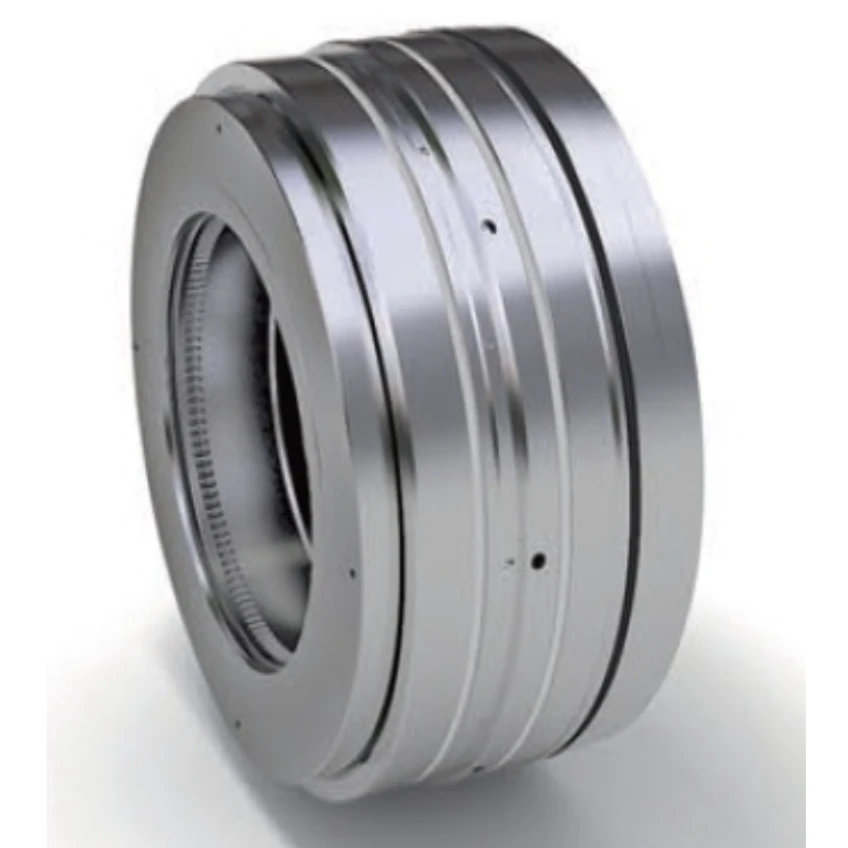
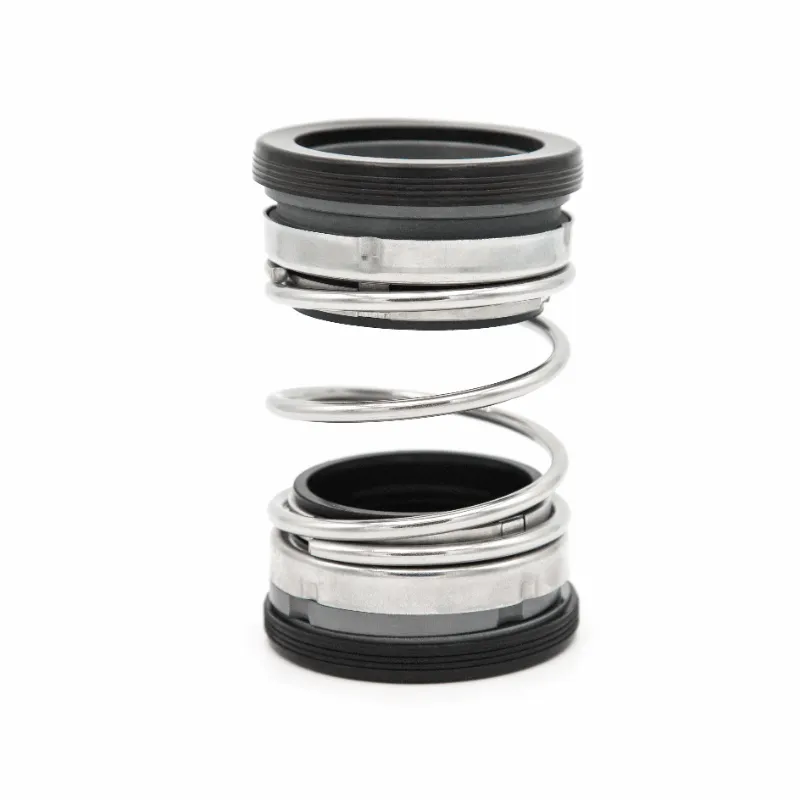
High-Performance Aerospace Seals represent the pinnacle of sealing technology, designed specifically for the demanding environments encountered in aerospace applications. These specialized components serve as critical barriers that prevent fluid leakage, contamination ingress, and maintain system pressure integrity across various aircraft and spacecraft systems. The primary functions of High-Performance Aerospace Seals encompass fluid containment, pressure maintenance, contamination prevention, and thermal protection in extreme operating conditions. These seals operate effectively across temperature ranges from cryogenic levels to several hundred degrees Celsius, while withstanding intense vibration, shock loads, and rapid pressure fluctuations. The technological features of High-Performance Aerospace Seals include advanced material compositions utilizing fluorocarbon elastomers, polytetrafluoroethylene compounds, and specialized metal alloys that provide exceptional chemical resistance and thermal stability. Manufacturing processes incorporate precision molding, computer-controlled machining, and rigorous quality control protocols to ensure dimensional accuracy within micron tolerances. Surface treatments and coatings enhance wear resistance and reduce friction coefficients, extending operational lifespan significantly. Applications for High-Performance Aerospace Seals span across hydraulic systems, fuel systems, pneumatic controls, engine compartments, landing gear assemblies, and environmental control systems. Commercial aviation relies on these seals for passenger safety and operational reliability, while military aircraft demand enhanced performance under combat conditions. Space exploration missions utilize High-Performance Aerospace Seals in rocket engines, satellite systems, and life support equipment where failure is not an option. The design philosophy emphasizes fail-safe operation, redundancy considerations, and compliance with stringent aerospace standards including AS9100, MIL-SPEC requirements, and international aviation regulations. Quality assurance protocols involve comprehensive testing procedures including pressure cycling, temperature exposure, chemical compatibility evaluation, and accelerated aging studies to validate long-term performance characteristics.
 EN
EN