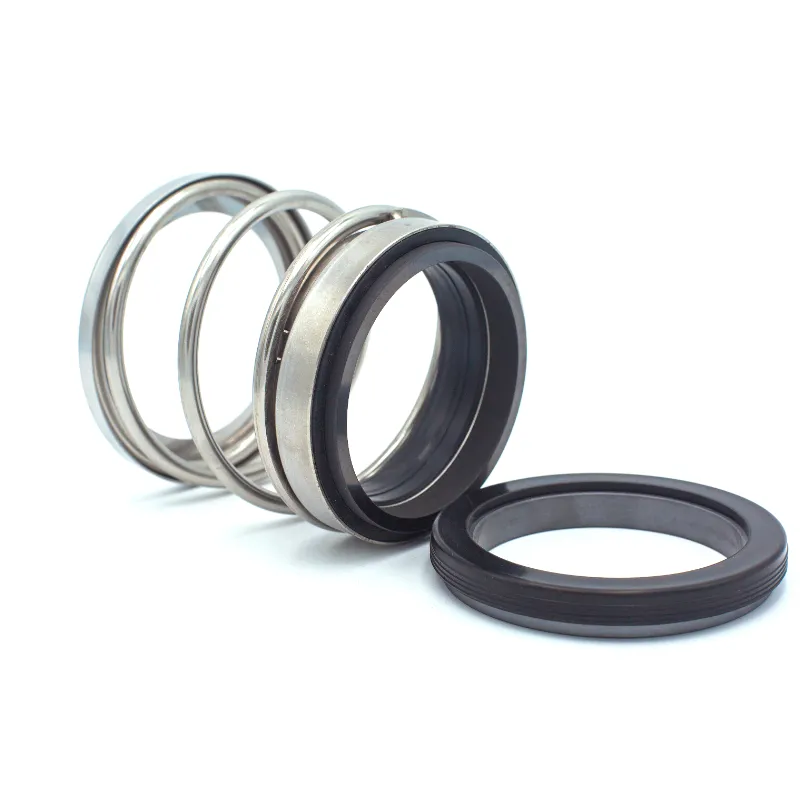
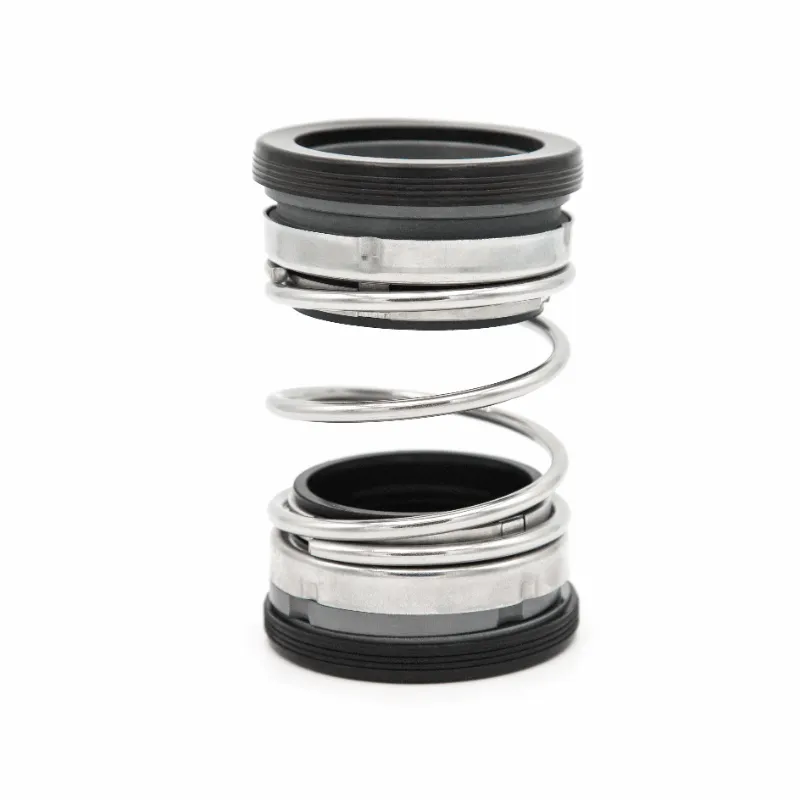
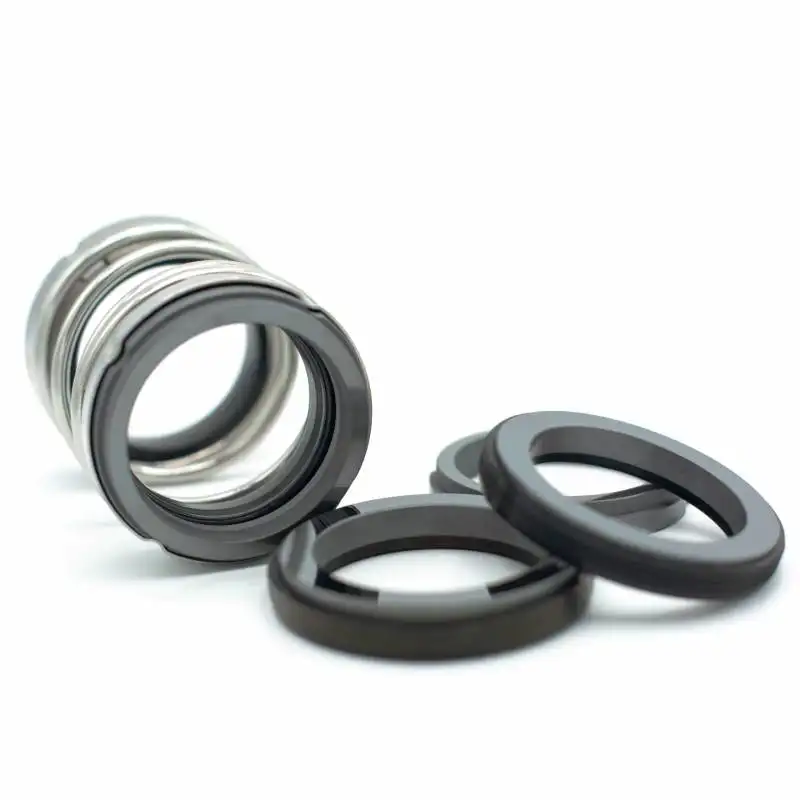
API 682 Seal Support Systems: Advanced Solutions for Industrial Reliability and Environmental Protection

Get a Free Quote

Our representative will contact you soon.
Email
Name
Company Name
Message
0/1000

API 682 seal support systems

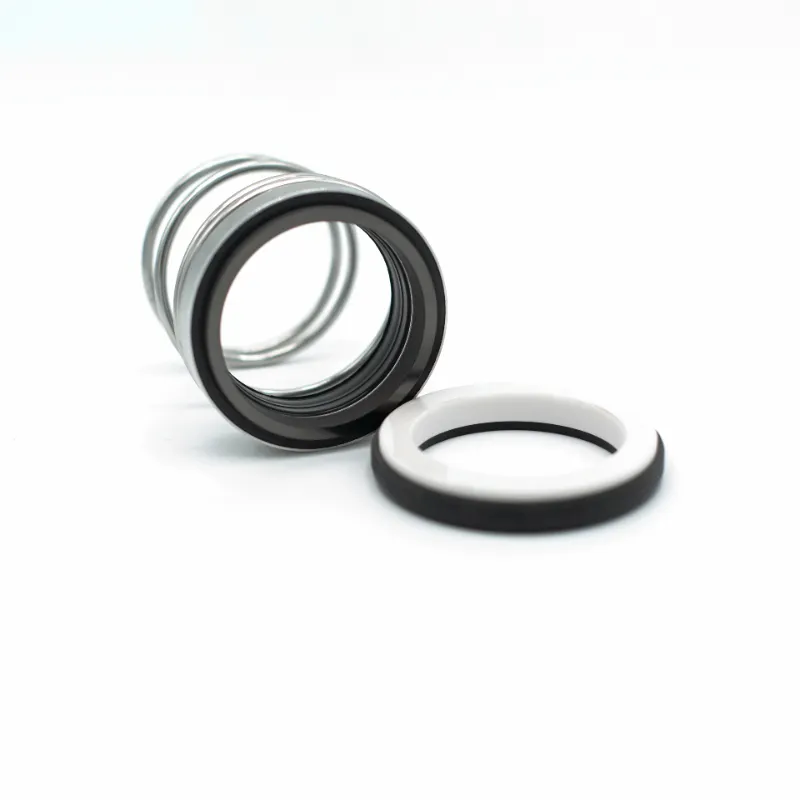
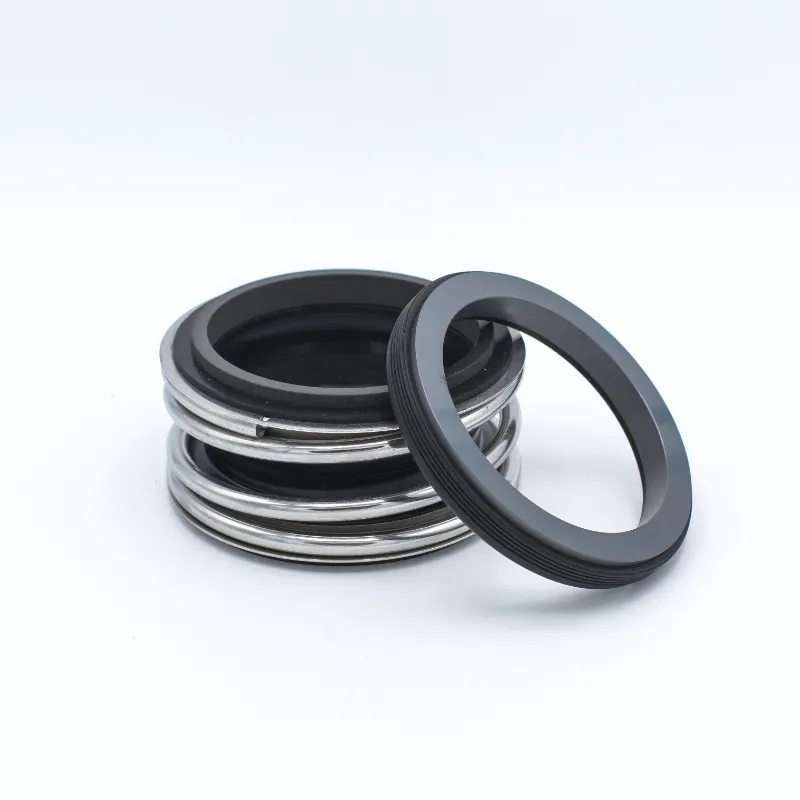
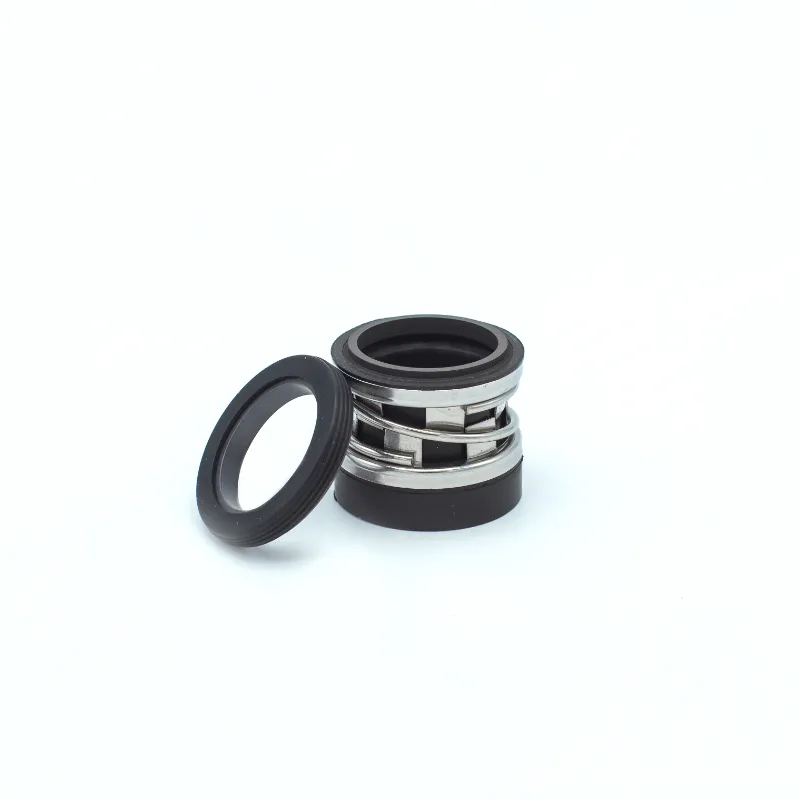
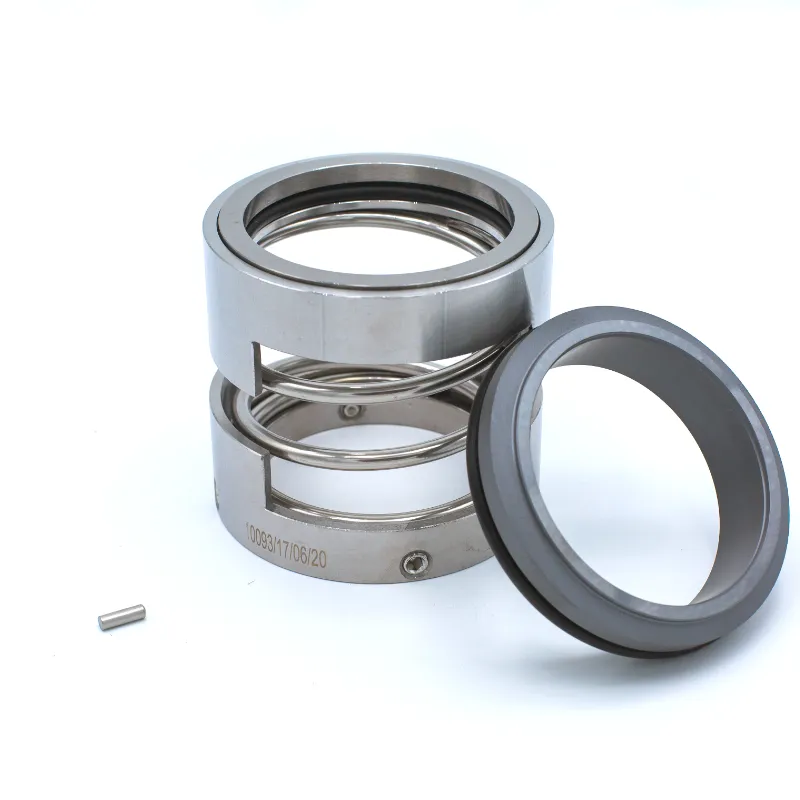
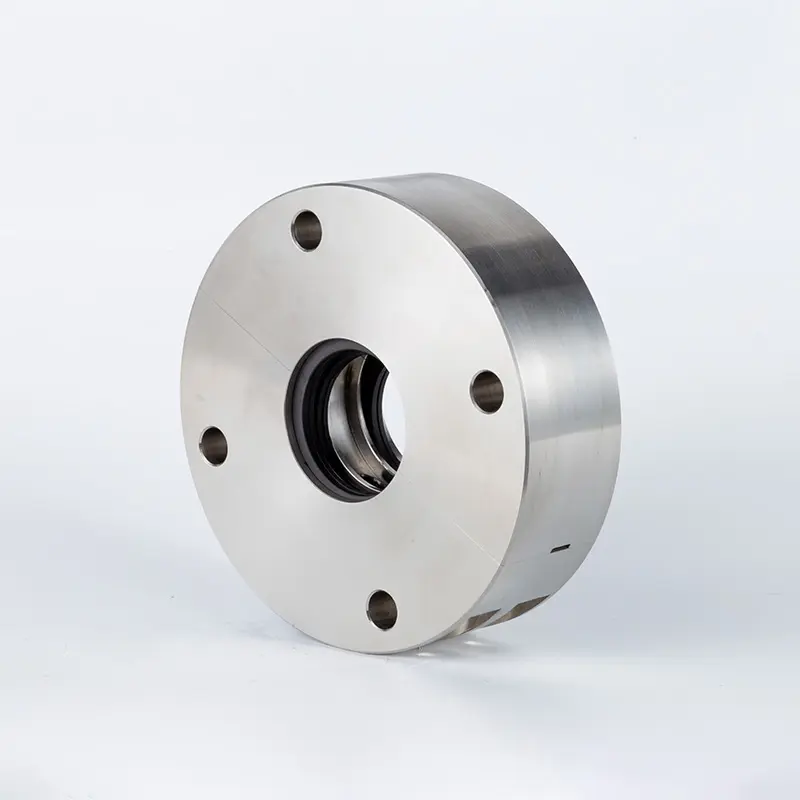
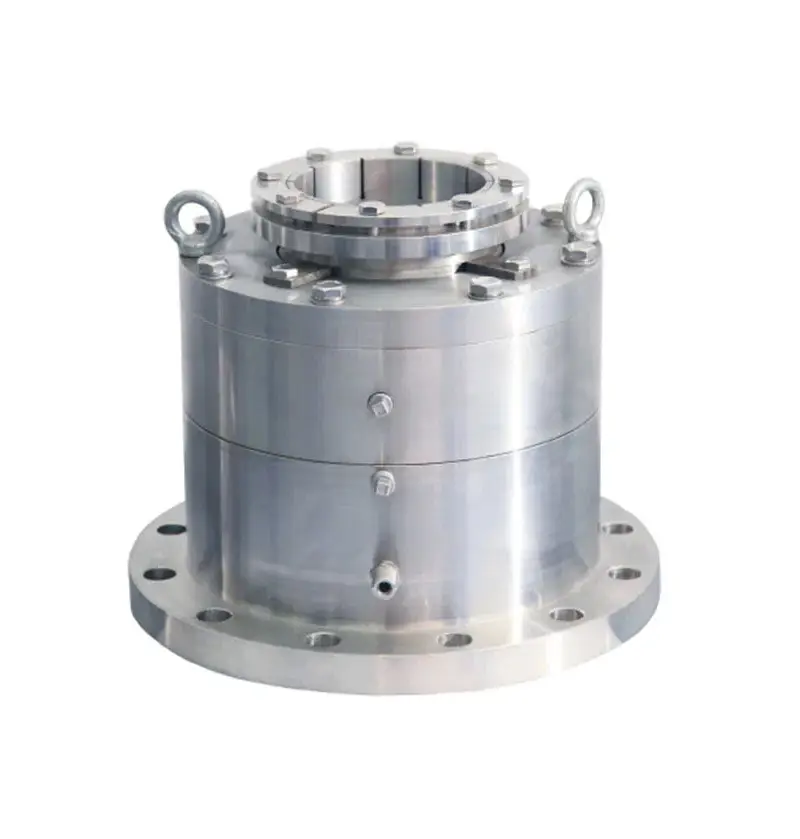
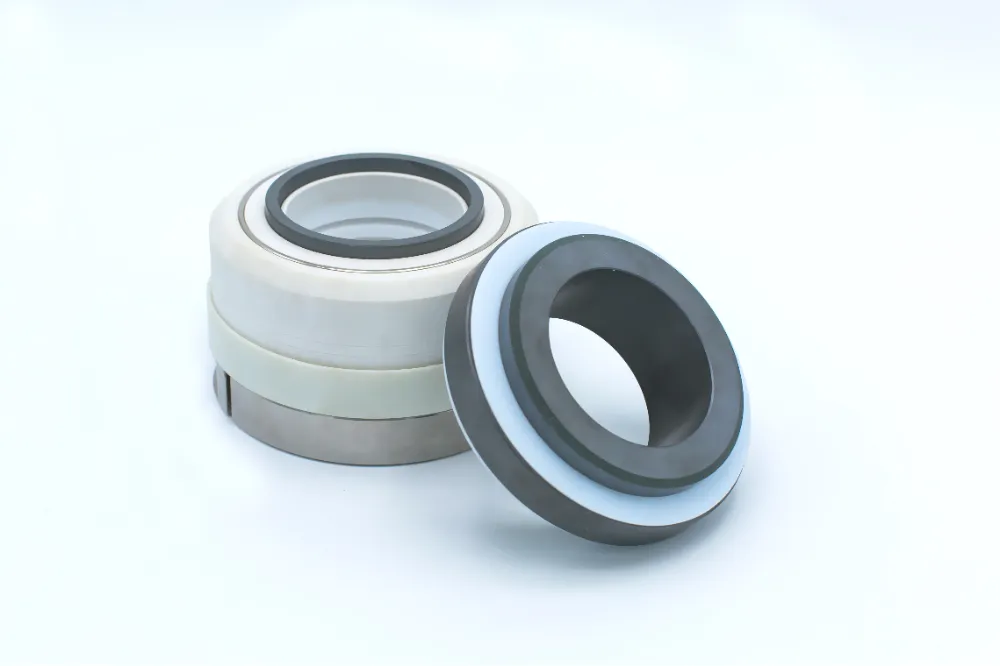
API 682 seal support systems represent a comprehensive standard developed by the American Petroleum Institute to enhance the reliability and performance of mechanical seals in rotating equipment. These sophisticated systems provide essential auxiliary functions that ensure optimal seal performance across various industrial applications. The API 682 seal support systems encompass multiple configurations designed to address specific operational requirements, including flushing, cooling, pressurization, and filtration of seal chamber environments. The primary function of these systems involves maintaining proper operating conditions within the seal chamber to prevent seal face damage, extend service life, and reduce maintenance costs. The technology incorporates advanced monitoring capabilities that enable real-time assessment of seal performance parameters such as temperature, pressure, and flow rates. Key technological features include automated control systems that respond to changing operational conditions, ensuring consistent seal chamber environment regardless of process variations. The systems utilize precision-engineered components including heat exchangers, filtration units, pumping mechanisms, and instrumentation packages that work together seamlessly. These API 682 seal support systems find extensive applications in refineries, chemical processing plants, power generation facilities, and offshore platforms where equipment reliability is paramount. The standard defines multiple plans ranging from simple barrier fluid circulation to complex dual seal arrangements with sophisticated monitoring systems. Each configuration addresses specific seal chamber requirements based on process fluid characteristics, operating temperatures, and pressure conditions. Modern implementations integrate digital control systems that provide predictive maintenance capabilities, allowing operators to schedule maintenance activities before seal failure occurs. The versatility of API 682 seal support systems makes them suitable for handling hazardous chemicals, high-temperature applications, and critical process equipment where unplanned downtime must be minimized. These systems contribute significantly to environmental protection by preventing fugitive emissions and ensuring compliance with stringent regulatory requirements governing industrial operations.

New Products

API 682 seal support systems deliver substantial operational benefits that directly impact plant profitability and safety performance. These systems significantly extend mechanical seal service life by maintaining optimal operating conditions within the seal chamber, reducing the frequency of costly maintenance interventions. The enhanced reliability translates to increased equipment uptime, allowing continuous production without unexpected shutdowns that can cost thousands of dollars per hour. Operators benefit from improved safety conditions as these systems effectively contain hazardous process fluids, preventing exposure incidents that could endanger personnel and result in regulatory violations. The automated monitoring capabilities provide early warning of potential seal problems, enabling maintenance teams to plan repairs during scheduled outages rather than responding to emergency failures. This predictive approach reduces maintenance costs by up to 40 percent compared to reactive maintenance strategies. Energy efficiency improvements result from optimized seal chamber conditions that reduce friction losses and parasitic power consumption in rotating equipment. The systems help maintain consistent product quality by preventing contamination that occurs when seals fail and allow process fluids to mix with lubricants or atmospheric air. Environmental benefits include significant reduction in fugitive emissions, helping facilities meet increasingly strict environmental regulations while avoiding hefty fines and compliance issues. Installation flexibility allows these systems to be retrofitted to existing equipment or incorporated into new designs without major modifications to pump or compressor configurations. The standardized approach ensures compatibility across different equipment manufacturers, simplifying spare parts inventory and technician training requirements. Comprehensive documentation and proven design principles reduce engineering time for new installations while providing confidence in system performance. Long-term cost savings accumulate through reduced seal replacement frequency, lower energy consumption, decreased environmental compliance costs, and improved overall equipment effectiveness. The systems provide quantifiable return on investment through measurable improvements in reliability metrics, making them attractive investments for facility managers focused on operational excellence. Advanced diagnostic capabilities enable condition-based maintenance strategies that optimize resource allocation and workforce productivity.

Practical Tips

Common Challenges with Agitator Seals in Bioreactors

21

Jul

Common Challenges with Agitator Seals in Bioreactors

Sealing Systems in Sterile and Pressure-Sensitive Environments Bioreactors operate under highly controlled conditions, where sterility, pressure balance, and agitation efficiency must all coexist seamlessly. Among the critical components enabling thi...
View More
What Are the Different Types of Agitator Seals?

21

Jul

What Are the Different Types of Agitator Seals?

Exploring Sealing Solutions for Industrial Mixing Systems In industrial mixing applications, maintaining a controlled, leak-free environment is essential to ensure product quality, process efficiency, and safety. Agitator seals play a pivotal role in...
View More
What Is Agitator Seal Pressure and Why It Matters in Industrial Equipment?

06

Aug

What Is Agitator Seal Pressure and Why It Matters in Industrial Equipment?

Importance of Pressure Control in Industrial Sealing Systems Industrial processes often involve extreme conditions—high temperatures, intense pressures, and reactive chemicals. To maintain system safety and ensure reliable performance, manufac...
View More
Agitator Seal Pressure Applications in Chemical and Pharmaceutical Plants

06

Aug

Agitator Seal Pressure Applications in Chemical and Pharmaceutical Plants

Importance of Sealing Integrity in Industrial Processing Environments In chemical and pharmaceutical plants, the integrity of sealing systems is vital for ensuring safety, process efficiency, and product quality. A small leakage or contamination due ...
View More

Get a Free Quote

Our representative will contact you soon.
Email
Name
Company Name
Country/Region
Message
0/1000

API 682 seal support systems

Advanced Real-Time Monitoring and Diagnostic Capabilities

Advanced Real-Time Monitoring and Diagnostic Capabilities

The sophisticated monitoring and diagnostic features of API 682 seal support systems represent a revolutionary approach to mechanical seal management that transforms traditional maintenance practices into proactive, data-driven operations. These systems incorporate state-of-the-art sensors and instrumentation that continuously monitor critical parameters including seal chamber temperature, pressure differentials, barrier fluid flow rates, and leak detection measurements. The real-time data collection enables operators to identify potential issues before they develop into catastrophic failures, providing early warning indicators that allow maintenance teams to schedule repairs during planned outages. Advanced algorithms analyze trending data to predict seal performance degradation patterns, offering insights into remaining useful life calculations that optimize replacement scheduling. The diagnostic capabilities extend beyond simple parameter monitoring to include vibration analysis, thermal imaging integration, and chemical composition analysis of barrier fluids. This comprehensive approach provides complete visibility into seal system health, enabling maintenance teams to make informed decisions based on actual equipment condition rather than predetermined time-based schedules. The integration with plant-wide asset management systems allows seamless data sharing across multiple platforms, facilitating comprehensive equipment reliability programs. Automated alarm systems provide immediate notification of abnormal conditions, enabling rapid response to prevent equipment damage and maintain safe operating conditions. Historical data storage and analysis capabilities support root cause analysis investigations when seal failures occur, helping identify systemic issues that may affect multiple pieces of equipment. The user-friendly interface design ensures that operators can quickly interpret system status and take appropriate corrective actions without extensive specialized training. Remote monitoring capabilities allow maintenance experts to assess seal system performance from central control rooms or even off-site locations, improving response times and reducing the need for personnel to access potentially hazardous areas. These advanced monitoring features significantly reduce unplanned downtime while improving overall plant safety and environmental compliance through early detection of seal system anomalies.
Customizable Multi-Plan Configuration Options

Customizable Multi-Plan Configuration Options

The exceptional versatility of API 682 seal support systems stems from their comprehensive range of standardized configuration options that can be precisely matched to specific application requirements, ensuring optimal performance across diverse operating conditions. The standard encompasses multiple plan configurations, each designed to address particular seal chamber environment needs based on process fluid characteristics, temperature ranges, pressure conditions, and safety requirements. Plan 53A provides basic external circulation with heat exchange capabilities, ideal for moderate temperature applications where simple cooling is sufficient to maintain proper seal face lubrication. Plan 53B incorporates filtration elements that remove contaminants from the barrier fluid, preventing abrasive particles from damaging seal faces in applications handling dirty or polymerizing fluids. Plan 53C features external pressurization systems that maintain positive pressure differentials across seal faces, preventing process fluid ingression into seal chambers while ensuring proper barrier fluid circulation. The dual seal configurations including Plan 54 provide enhanced safety for hazardous applications by creating multiple containment barriers between the process and atmosphere, significantly reducing the risk of fugitive emissions. Plan 62 offers internal circulation options for applications where external piping connections are impractical or space constraints limit system installation options. Each configuration can be further customized with specific component selections including heat exchanger sizing, filtration media selection, instrumentation packages, and control system complexity levels. The modular design approach allows system expansion or modification as operating conditions change, protecting initial investment while providing flexibility for future operational requirements. Material compatibility options ensure optimal performance with various process fluids, from aggressive chemicals to high-temperature hydrocarbons, while maintaining long-term reliability. The standardized approach facilitates easy specification and procurement processes while ensuring consistent performance expectations across different equipment manufacturers. Engineering support services help identify the most appropriate configuration for each specific application, taking into account operational parameters, maintenance preferences, and budget constraints to deliver optimal value propositions for customers investing in seal system reliability improvements.
Proven Environmental Protection and Regulatory Compliance

Proven Environmental Protection and Regulatory Compliance

API 682 seal support systems provide industry-leading environmental protection capabilities that help facilities achieve and maintain compliance with increasingly stringent regulatory requirements while demonstrating corporate responsibility for environmental stewardship. These systems effectively minimize fugitive emissions from mechanical seals, addressing one of the most significant sources of volatile organic compound releases in industrial facilities. The barrier fluid circulation and pressurization features create positive containment that prevents hazardous process chemicals from escaping to the atmosphere, even when primary seal faces experience minor wear or damage. Advanced leak detection systems provide immediate notification when emission levels approach regulatory limits, allowing operators to take corrective action before violations occur. The dual seal configurations offer exceptional containment for particularly hazardous materials, creating multiple independent barriers between dangerous process fluids and the environment. Comprehensive documentation and performance data support regulatory reporting requirements, providing verifiable evidence of emission control effectiveness during environmental audits and inspections. The systems help facilities avoid costly fines and penalties associated with environmental violations while reducing the risk of adverse publicity from emission incidents. Long-term environmental benefits accumulate through sustained reduction in total facility emissions, contributing to improved air quality in surrounding communities and supporting corporate sustainability initiatives. The technology supports compliance with various international environmental standards including EPA regulations, European REACH requirements, and other regional environmental protection mandates. Automated monitoring and recording capabilities ensure continuous compliance verification without requiring extensive manual intervention from facility personnel. The investment in API 682 seal support systems often qualifies for environmental improvement incentives and tax benefits offered by various governmental agencies seeking to encourage industrial emission reductions. Regular performance validation through standardized testing procedures provides objective evidence of environmental protection effectiveness, supporting permit renewal processes and regulatory compliance audits. These systems enable facilities to exceed minimum regulatory requirements, demonstrating proactive environmental management that enhances corporate reputation and stakeholder confidence. The comprehensive approach to emission control addresses both current regulatory requirements and anticipated future standards, providing long-term protection against evolving environmental regulations.

Get a Free Quote

Our representative will contact you soon.
Email
Name
Company Name
Country/Region
Message
0/1000