 EN
EN


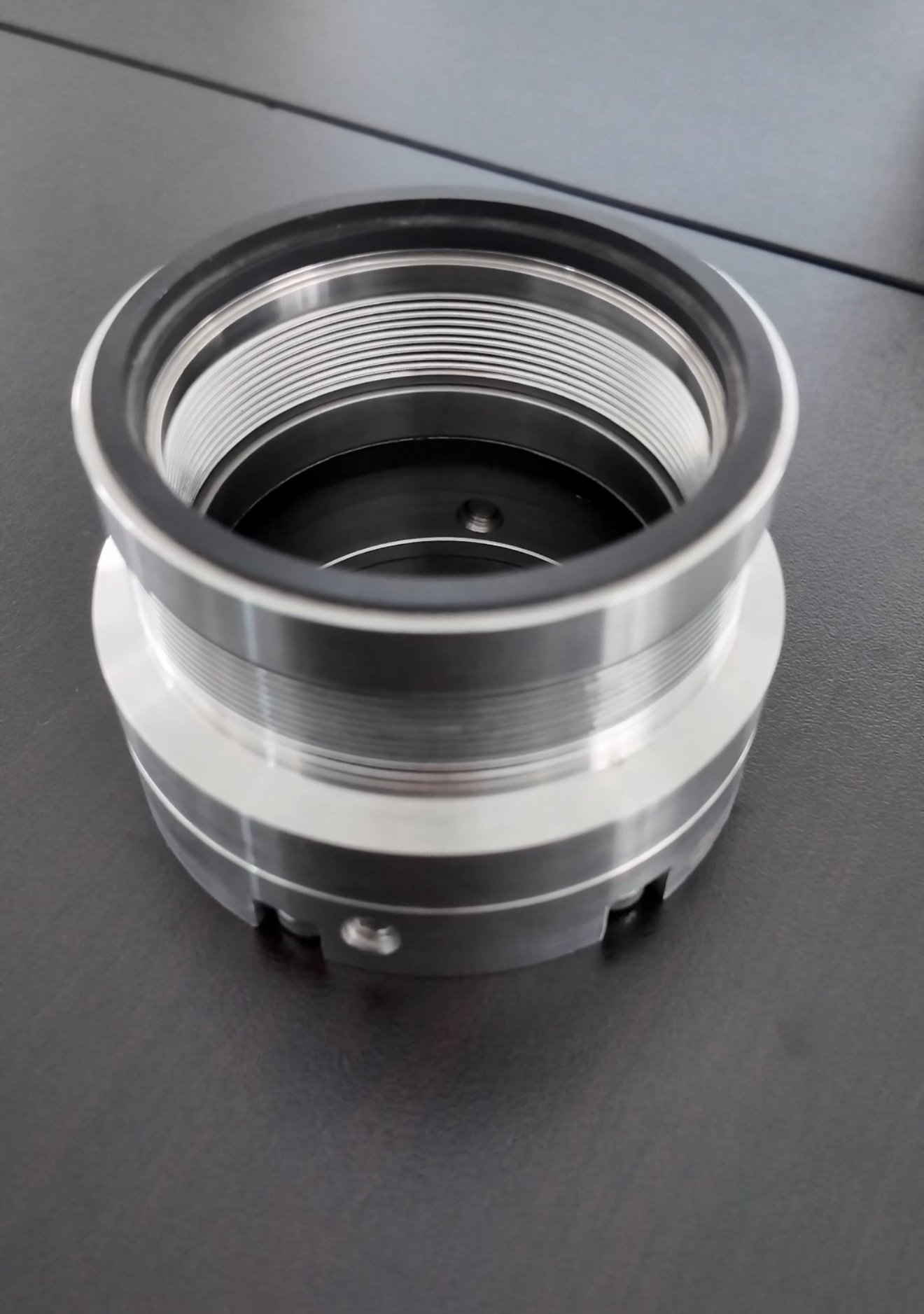
In any pump-driven system, the mechanical seal is one of the most performance-critical components you will encounter. mech seals are responsible for preventing fluid leakage between the rotating shaft and the stationary pump housing, and when they begin to fail, the consequences can range from minor drips to catastrophic system shutdowns. Knowing exactly when to replace worn mech seals is not simply a matter of waiting until something breaks — it requires a proactive, informed approach rooted in operational observation and engineering judgment.
The timing of mech seals replacement is a decision that directly impacts uptime, maintenance costs, product quality, and personnel safety. Replacing them too late means risking unplanned downtime and equipment damage; replacing them too early wastes budget and labor resources. This article provides a clear, structured guide to help maintenance engineers, facility managers, and procurement teams understand the key signals, conditions, and decision points that indicate it is time to replace worn mech seals in pumps.
Understanding the Role of Mech Seals in Pump Systems
What Mech Seals Actually Do
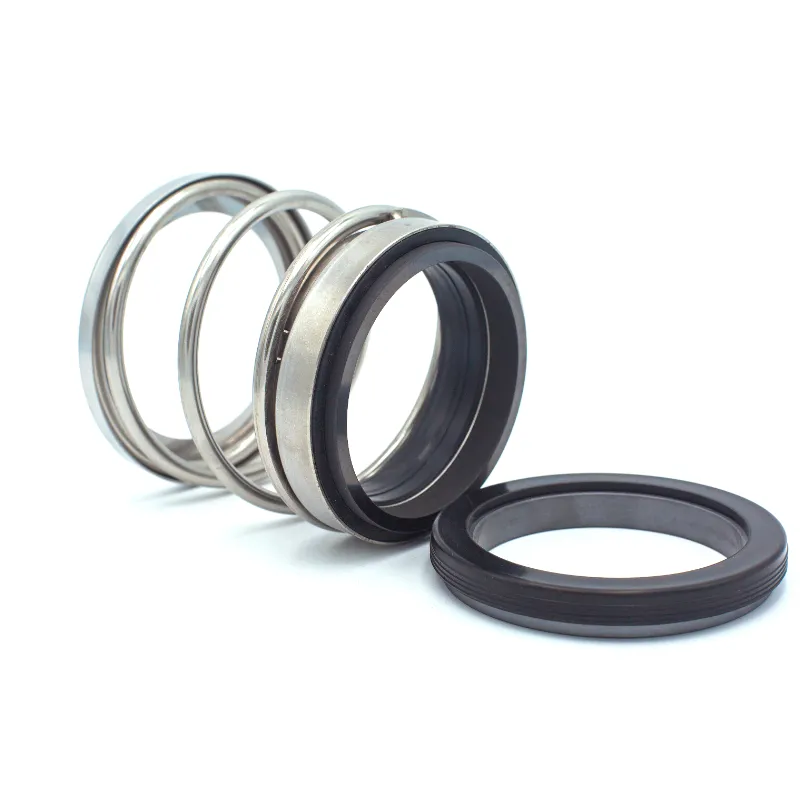
Mech seals create a dynamic barrier between the rotating shaft of a pump and the stationary casing. This barrier must hold under varying pressures, temperatures, and chemical exposures — sometimes simultaneously. The two primary faces of mech seals, one stationary and one rotating, are lapped to an extremely fine finish and held together by a combination of spring force and system pressure.
Over time, these seal faces experience friction-induced wear, thermal cycling, and chemical degradation. The thin fluid film that lubricates the faces gradually deteriorates, and the materials lose their dimensional precision. Understanding this degradation mechanism is the first step toward knowing when mech seals need to be replaced rather than simply monitored.
The type of media being pumped also dramatically affects how quickly mech seals degrade. Abrasive slurries, high-temperature fluids, and chemically aggressive liquids will shorten seal life considerably compared to clean water or mild process fluids. This context determines the appropriate inspection intervals and replacement thresholds for your specific application.
How Wear Accumulates Over Time
Wear in mech seals is rarely sudden. It accumulates gradually through a combination of mechanical friction, thermal expansion and contraction, and chemical attack on elastomers and seal face materials. Each operational cycle — startup, shutdown, and process variation — adds a small increment of stress and wear to the seal assembly.
Secondary seals such as O-rings and bellows are particularly vulnerable to thermal and chemical degradation. When these components harden, crack, or swell, the sealing integrity of the entire assembly is compromised even if the primary faces still appear intact. A thorough replacement decision must account for the condition of all components within the mech seals assembly, not just the visible faces.
Spring components and drive mechanisms within mech seals also experience fatigue over extended service periods. A weakened spring reduces the closing force on the seal faces, which leads to increased leakage even before visible wear damage appears. This is why age and operational hours matter just as much as physical condition when evaluating replacement timing.
Key Warning Signs That Mech Seals Need Replacement
Visible and Measurable Leakage
The most straightforward indicator that mech seals require replacement is external leakage from the pump stuffing box area. While a minor amount of leakage — often called 'weepage' — can be acceptable in certain seal designs, any visible drip or steady flow of process fluid indicates that the seal faces or secondary sealing elements have deteriorated beyond acceptable limits.
In industrial settings, acceptable leakage thresholds are often defined by equipment standards and environmental regulations. When mech seals in a pump exceed these thresholds, immediate replacement planning should begin. Delaying action increases the risk of fluid contamination, environmental violations, and structural corrosion around the pump casing and base plate.
Intermittent leakage — leakage that appears during startup or shutdown but not during steady-state operation — is also a critical warning sign. This pattern suggests that the mech seals can no longer accommodate thermal transitions or pressure fluctuations, which means the seal is operating near the end of its service life and replacement should be scheduled promptly.
Abnormal Noise, Heat, and Vibration
Worn mech seals often generate secondary symptoms that are detectable without direct visual inspection. Unusual squealing or grinding sounds from the pump shaft area can indicate that the seal faces are running dry — meaning the lubricating film has broken down and the faces are in direct metallic contact. This condition causes accelerated wear and can destroy the seal faces within a very short operating period.
Elevated temperature at the seal gland area is another strong indicator. While some heat generation is normal, excessive temperatures suggest excessive friction caused by worn or misaligned mech seals. If the seal gland area is noticeably hotter than the pump casing during normal operation, inspection and likely replacement are warranted.
Vibration anomalies detected through vibration monitoring equipment can also indicate seal-related issues. When mech seals wear unevenly or when shaft misalignment causes uneven face loading, the resulting vibration signature often differs from the pump's baseline. Correlating vibration data with other seal condition indicators provides a more complete picture of when replacement is truly necessary.
Timing and Lifecycle-Based Replacement Decisions
Using Operational Hours as a Replacement Trigger
Many industrial operations establish preventive replacement schedules for mech seals based on operational hours rather than waiting for failure symptoms. This approach is particularly useful in critical applications where unplanned downtime is extremely costly or where the pumped media is hazardous. Typical service intervals for mech seals vary widely depending on the application, ranging from several thousand to tens of thousands of operating hours.
Establishing a reliable service interval requires historical maintenance records, an understanding of the operating environment, and input from the seal manufacturer or engineering documentation. Once a consistent replacement interval is identified for a given pump and application, scheduled replacement during planned maintenance windows becomes the most cost-effective strategy for managing mech seals across a facility.
Operational hour tracking should also factor in the severity of the service. Pumps handling abrasive media or operating under frequent start-stop cycles will require more frequent mech seals replacement than pumps running continuously with clean, low-temperature fluids. Severity-adjusted replacement intervals are more accurate than generic manufacturer recommendations applied universally.
Inspection During Scheduled Maintenance Windows
Planned shutdown periods present the ideal opportunity to inspect and replace mech seals even before failure symptoms become evident. During these windows, maintenance teams should disassemble the seal gland, measure face wear, inspect elastomer condition, and check spring tension. If any component shows wear beyond the manufacturer's specified tolerances, replacement is the correct action regardless of whether leakage has occurred.
A common practice in well-managed facilities is to replace mech seals as a matter of routine during any major pump overhaul, regardless of their apparent condition. The cost of new mech seals is almost always far lower than the labor cost of a second disassembly if the original seal fails shortly after the pump is returned to service. This 'while you're in there' logic applies particularly well to hard-to-access pump installations.
Photographic documentation of worn mech seals removed during inspections serves as a valuable reference for future replacement decisions. Over time, a library of condition images allows maintenance teams to more accurately predict wear rates and fine-tune replacement intervals for each pump in the facility. This continuous improvement approach reduces both premature replacement costs and the risk of unexpected failures.
Operational and Process Triggers That Accelerate Wear
Changes in Process Conditions
Even if mech seals were recently installed and are not yet showing obvious wear, significant changes in process conditions can dramatically shorten their remaining useful life. A switch to a more corrosive fluid, an increase in operating temperature, or a change in system pressure can render an otherwise adequate seal inadequate almost immediately. Whenever process conditions change materially, the replacement timeline for existing mech seals should be reassessed.
Chemical compatibility is particularly important. Elastomers and seal face materials selected for one media type may not perform adequately with a different fluid. If your process now involves a fluid that attacks the original seal materials, the mech seals should be replaced promptly — and ideally with a material configuration specifically suited to the new service conditions.
Pressure cycling and deadhead conditions are also strong accelerators of mech seals wear. Pumps that frequently operate against closed valves or that experience sudden pressure spikes place unusually high dynamic loads on the seal assembly. In such applications, more frequent inspection and replacement cycles are necessary to maintain sealing integrity and protect the pump.
Pump Maintenance Events That Require Seal Replacement
Certain pump maintenance events should automatically trigger mech seals replacement, regardless of the seal's apparent condition. Shaft replacement, bearing replacement, impeller replacement, and any work involving shaft removal all require the seal to be disassembled. Reinstalling a used seal after full shaft removal introduces alignment risks and may compromise the seal's ability to seat correctly, making replacement the lower-risk option.
Similarly, if a pump has been sitting idle for an extended period — particularly in a wet or chemically aggressive environment — the elastomeric components of the mech seals may have degraded significantly even without operational hours accumulating. Static chemical attack, compression set, and surface corrosion on seal faces can all occur during storage or idle periods. Before returning a long-idle pump to service, inspecting and replacing mech seals is a prudent step.
After any event involving cavitation, thermal shock, or hydraulic surge, the pump's mech seals should be inspected immediately. These abnormal events place extreme transient loads on the seal assembly and can cause internal damage that is not immediately visible but will lead to premature failure within a short operating period.
Making the Replacement Decision Confidently
Balancing Cost Against Risk
The decision to replace mech seals involves a straightforward cost-risk calculation. On one side is the cost of replacement parts, labor, and planned downtime. On the other side is the risk cost of seal failure — unplanned downtime, potential damage to the pump, process contamination, environmental liability, and personnel safety hazards. In most industrial applications, the risk cost significantly exceeds the replacement cost, which makes proactive replacement the economically rational choice.
For critical pumps in continuous operations, the risk premium is even higher. A single unplanned shutdown caused by failed mech seals can cost orders of magnitude more than an entire year's supply of replacement seals. This reality supports aggressive preventive replacement strategies rather than 'run to failure' approaches for high-consequence applications.
Procurement teams and maintenance planners should work together to ensure that replacement mech seals are stocked as critical spares for all key pumps. Lead times for specialized seal configurations can be significant, and waiting for delivery after a failure begins means extended downtime. Maintaining a strategic inventory of mech seals eliminates this vulnerability and enables fast, confident replacement decisions.
Documentation and Continuous Improvement
Every replacement of mech seals should be accompanied by thorough documentation: the seal condition at removal, the operating hours accumulated, any unusual process conditions encountered, and the seal configuration installed as the replacement. This data builds over time into a powerful predictive resource that improves the accuracy of future replacement decisions and reduces the frequency of both premature and delayed replacements.
Root cause analysis of prematurely failed mech seals is equally important. If seals are failing well before expected service life, the root cause is often not the seal itself but rather a system-level issue: misalignment, inadequate flush fluid, incorrect seal selection, or poor installation practice. Addressing these root causes produces a more dramatic improvement in seal life than simply replacing the seal on schedule.
A culture of proactive seal management — where replacement timing is driven by data, observation, and planned schedules rather than by emergency response — consistently produces lower total maintenance costs, higher pump availability, and improved process reliability. Mech seals replacement is not merely a reactive task; it is a strategic maintenance discipline that pays dividends across the entire facility.
FAQ
How often should mech seals be replaced in standard industrial pumps?
Replacement intervals for mech seals vary significantly based on the application, but many standard industrial pumps in moderate-duty service are maintained on intervals of 8,000 to 20,000 operating hours. For severe service conditions — abrasive media, high temperatures, or aggressive chemicals — much shorter intervals are typical. Always consult the seal manufacturer's specifications and track your own historical failure data to establish accurate intervals for each pump.
Can mech seals be repaired rather than replaced?
In most cases, worn mech seals should be replaced entirely rather than repaired. While it is sometimes possible to re-lap seal faces or replace individual elastomers, the cost of skilled repair labor typically approaches or exceeds the cost of a new seal assembly. Additionally, partially repaired mech seals rarely match the performance and reliability of a new, factory-finished seal, which introduces unnecessary risk back into the system.
What happens if worn mech seals are not replaced in time?
Delaying the replacement of worn mech seals can lead to escalating leakage, contamination of the pumped fluid, damage to the pump shaft and bearings from fluid ingress, and ultimately catastrophic pump failure. In applications involving hazardous or toxic fluids, a failed seal also creates serious environmental and safety risks. The cost and consequences of running failed mech seals almost always far exceed the cost of timely replacement.
Does pump type affect how quickly mech seals wear out?
Yes, pump type plays an important role in mech seals wear rates. Centrifugal pumps typically provide more stable seal conditions than positive displacement pumps, which can generate higher pressure pulses and more variable loading. High-speed pumps generate more frictional heat at the seal faces, while vertical sump pumps may expose mech seals to varying submersion levels and potential contamination. Always select and maintain mech seals with full consideration of the specific pump type and its operational characteristics.