 EN
EN


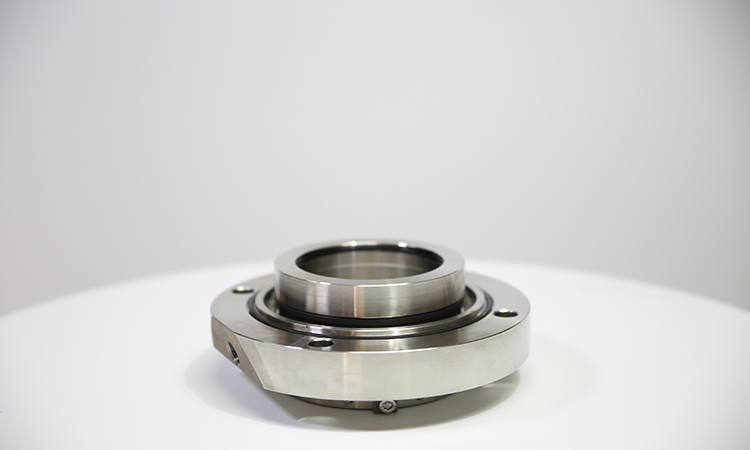
In the world of industrial sealing technology, cartex has emerged as a recognized term among engineers, maintenance professionals, and procurement specialists who demand reliable performance under challenging operating conditions. Understanding what cartex is and how it functions is essential for anyone working with rotating equipment, pumps, mixers, or agitators where fluid containment and leakage prevention are critical concerns. Whether you are evaluating sealing solutions for a new installation or troubleshooting an existing system, a clear grasp of cartex fundamentals will help you make well-informed decisions.
The term cartex refers to a cartridge-style mechanical seal design that integrates all sealing components into a single, pre-assembled unit. This design philosophy simplifies installation, reduces the risk of human error during assembly, and shortens maintenance downtime significantly. As industries continue to demand greater operational efficiency and tighter environmental compliance, cartex seals have become a go-to sealing solution across a broad spectrum of applications, from chemical processing to food and beverage manufacturing.
The Core Definition of Cartex
A Cartridge Seal Concept Explained
At its most fundamental level, cartex is a cartridge mechanical seal. The word 'cartridge' in this context means that the stationary and rotating seal faces, springs, secondary seals, and all associated hardware are pre-mounted into a single sleeve-and-gland assembly. This is in direct contrast to a component seal, where each element must be individually measured, positioned, and secured on the shaft during installation.
The cartex design ensures that the critical dimensional relationships between seal faces are established during manufacturing rather than on-site. This removes the dependency on installer skill for setting compression and face alignment, which are two of the most common causes of premature seal failure. For industries where downtime is costly, this reliability advantage is highly significant.
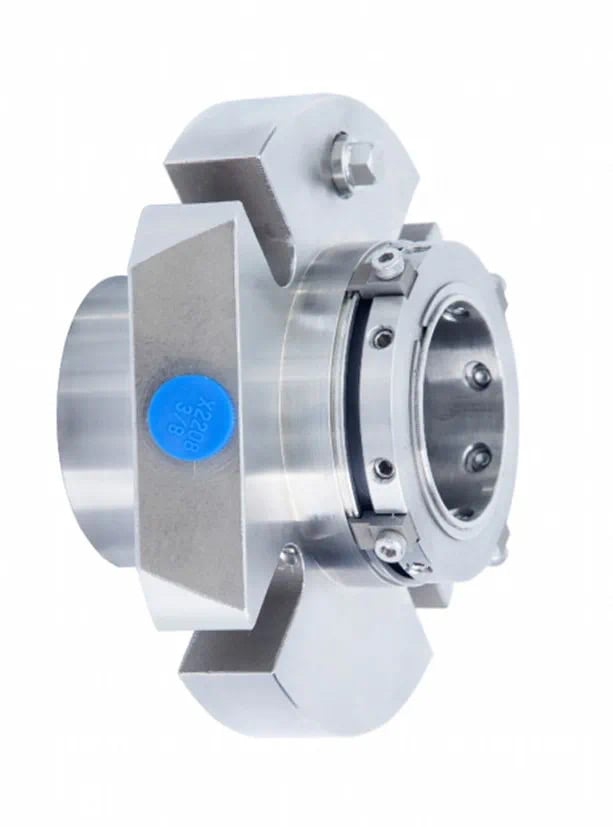
Cartex seals are designed to be installed as a complete unit over the shaft or sleeve and secured to the equipment housing with bolts. Once in place, setting clips or tabs are removed to activate the spring load, and the seal is ready to operate. This straightforward process is one of the defining characteristics of the cartex approach.
Key Components That Make Up a Cartex Unit
A typical cartex assembly consists of several integrated components working in concert. The rotating face, often made from silicon carbide, tungsten carbide, or carbon graphite, spins with the shaft and maintains intimate contact with the stationary face under controlled spring pressure. The stationary face is held within the gland plate, which bolts to the equipment stuffing box.
Secondary seals, such as O-rings or bellows made from elastomers like EPDM, Viton, or PTFE, provide sealing between the faces and the hardware. The spring mechanism, which may be a single coil spring, multiple springs, or a wave spring, maintains the required closing force between the seal faces throughout the operating cycle. All of these elements are housed within a robust sleeve and gland arrangement that constitutes the cartex cartridge.
The materials used in a cartex seal are selected based on the fluid being sealed, the operating temperature, pressure, and shaft speed. This material versatility is one of the reasons cartex designs are adaptable to such a wide range of industrial environments.
How Cartex Works in Industrial Applications
The Mechanical Sealing Principle
Understanding how cartex works requires a brief look at the underlying principle of mechanical sealing. A mechanical seal operates by maintaining two very flat, highly polished faces in contact under a controlled load. One face rotates with the shaft while the other remains stationary. The microscopic film of fluid between these faces provides both lubrication and the primary sealing barrier against leakage to atmosphere.
In a cartex configuration, this sealing interface is protected and supported by the integrated cartridge housing. The pre-set spring load ensures that the faces maintain adequate contact pressure without requiring manual adjustment. This self-contained mechanism means that cartex seals maintain consistent performance from the moment of installation through the full service life of the seal.
The geometry of the cartex housing also provides important secondary benefits. It protects the seal faces from contamination during storage and handling, and it helps maintain face alignment even when minor shaft misalignment or vibration is present. This robustness is a direct result of the integrated cartridge architecture.
Single and Dual Cartex Seal Configurations
Cartex seals are available in both single and dual configurations. A single cartex seal has one set of faces and is suited for applications where the process fluid itself provides adequate lubrication for the seal faces and where minor leakage to atmosphere is acceptable under safety and environmental regulations.
A dual cartex seal incorporates two sets of seal faces arranged either back-to-back, face-to-face, or in tandem. These configurations require a barrier or buffer fluid system that circulates between the two sets of faces. The barrier fluid prevents process fluid from reaching the atmosphere, making dual cartex seals the preferred choice for toxic, hazardous, or highly volatile media.
The choice between single and dual cartex depends on the nature of the application, regulatory requirements, and the consequences of any seal leakage. Many modern chemical plants and refineries mandate dual cartex seals as a standard practice for environmental and safety compliance.
Why Cartex Seals Are Preferred Over Component Seals
Installation Speed and Error Reduction
One of the most compelling reasons engineers specify cartex over traditional component seals is the dramatic reduction in installation time and complexity. With a component seal, the installer must measure shaft compression, set spring lengths, orient faces correctly, and ensure all secondary seals are properly seated — all while working in a confined space under time pressure.
A cartex unit eliminates nearly all of these steps. The cartridge arrives pre-assembled and dimensionally verified from the factory. The installer slides it over the shaft, secures the gland, and releases the setting clips. The entire process can be completed in a fraction of the time required for a comparable component seal installation.
This speed advantage translates directly into reduced maintenance downtime. In process industries where a single production line stoppage can cost thousands of dollars per hour, the ability to replace a cartex seal quickly is an operational and financial benefit that is difficult to overstate.
Improved Reliability and Extended Service Life
Because cartex seals are assembled and set under controlled factory conditions, they consistently deliver the correct spring load and face contact geometry. This precision manufacturing results in more predictable seal performance and, in most cases, a longer service life compared to field-assembled component seals.
The cartex housing also shields the seal faces from damage during handling and installation. Scratches or chips on seal faces are a leading cause of early seal failure, and the integrated cartridge packaging provides a level of physical protection that component seals simply cannot match.
Over a full maintenance cycle, the reliability improvements offered by cartex seals often result in lower total cost of ownership, even if the initial purchase price is higher than an equivalent component seal. When the cost of unplanned downtime, fluid loss, and environmental incidents is factored in, cartex seals frequently prove to be the more economical long-term investment.
Cartex Applications Across Industries
Chemical and Petrochemical Processing
In chemical and petrochemical environments, cartex seals are widely used on centrifugal pumps, agitators, and compressors handling corrosive acids, solvents, hydrocarbons, and other aggressive media. The ability to specify cartex in dual configurations with chemically resistant face materials and elastomers makes it highly adaptable to the demanding conditions found in these industries.
Regulatory requirements in these sectors often mandate zero or near-zero fugitive emissions. Dual cartex seals with barrier fluid systems are fully compatible with these requirements, providing an effective engineering control against atmospheric contamination by hazardous process fluids.
Plant engineers in these industries appreciate the standardized cartex format, which allows for faster procurement, simplified spare parts inventory management, and consistent installation procedures across multiple pump types and sizes.
Food, Beverage, and Pharmaceutical Sectors
The food, beverage, and pharmaceutical industries have strict hygiene and contamination prevention requirements that make cartex seals particularly well-suited for their applications. Cartex designs are available with FDA-compliant elastomers, electropolished surfaces, and hygienic gland designs that meet sanitary standards such as EHEDG and 3-A.
In these industries, cartex seals are commonly used on product transfer pumps, mixing vessels, and filling equipment. The ease of cleaning and inspection associated with the cartridge format supports rigorous cleaning-in-place and sterilization-in-place protocols that are standard in regulated manufacturing environments.
The low risk of installation error also reduces the chance of improper reassembly after maintenance, which is a critical concern in environments where product contamination could have serious health and commercial consequences.
Selecting the Right Cartex Seal for Your Application
Key Parameters to Consider
Selecting the appropriate cartex seal for a specific application begins with gathering accurate operating data. Shaft diameter, stuffing box bore, shaft speed, operating pressure, fluid temperature, and the chemical nature of the process fluid are the primary parameters that define the seal selection envelope. These inputs determine which face material combinations, elastomer types, and configuration options are suitable.
For abrasive or particle-laden fluids, cartex seals with hard face combinations such as silicon carbide against silicon carbide are typically recommended, as softer materials would experience accelerated wear. For clean, non-abrasive fluids, a carbon graphite rotating face against a silicon carbide or ceramic stationary face is a common and cost-effective choice.
Temperature and chemical compatibility of secondary seals must also be verified. Viton O-rings offer broad chemical resistance and high temperature capability, while EPDM is preferred for water-based and steam applications. PTFE is used where neither rubber elastomer is chemically compatible with the process fluid.
Working with Seal Manufacturers and Distributors
Given the technical complexity involved in cartex seal selection, it is advisable to work closely with experienced seal manufacturers or authorized distributors. Providing them with complete pump data sheets and process conditions allows for accurate cross-referencing to the appropriate cartex specification.
Many seal suppliers offer detailed engineering support, including dimensional drawings, material certification documentation, and installation guidelines specific to the cartex model supplied. This support infrastructure is particularly valuable for original equipment manufacturer applications or when upgrading an existing installation from component seals to cartex.
Ongoing technical partnership with a knowledgeable supplier can also help identify opportunities to standardize on cartex designs across multiple equipment types, reducing spare parts complexity and improving maintenance efficiency plant-wide.
FAQ
What does the term 'cartex' specifically refer to in sealing technology?
In sealing technology, cartex refers to a cartridge-style mechanical seal where all components — including the rotating and stationary faces, springs, and secondary seals — are pre-assembled into a single, ready-to-install unit. This integrated design distinguishes cartex from component seals, which require individual part assembly and setting during installation.
Is a cartex seal suitable for high-pressure applications?
Yes, cartex seals can be engineered for high-pressure service. The specific pressure rating depends on the design configuration, face materials, and housing construction. For very high-pressure applications, the cartex design must be selected with appropriate face width, spring load, and hardware strength to maintain reliable sealing performance without face distortion or leakage.
How does a dual cartex seal differ from a single cartex seal?
A single cartex seal contains one set of seal faces and is suitable for applications where minor leakage to atmosphere is acceptable. A dual cartex seal incorporates two sets of faces with a barrier or buffer fluid system between them, providing an additional sealing barrier. Dual cartex seals are used for hazardous, toxic, or environmentally sensitive fluids where zero atmospheric leakage is required.
Can cartex seals be retrofitted onto existing pumps designed for component seals?
In many cases, yes. Cartex seals can often be retrofitted to pumps that were originally designed for packed glands or component mechanical seals, provided the stuffing box dimensions are compatible or can be adapted with a conversion sleeve. This retrofit capability makes cartex an attractive upgrade path for aging equipment, offering improved reliability and easier maintenance going forward.