 EN
EN


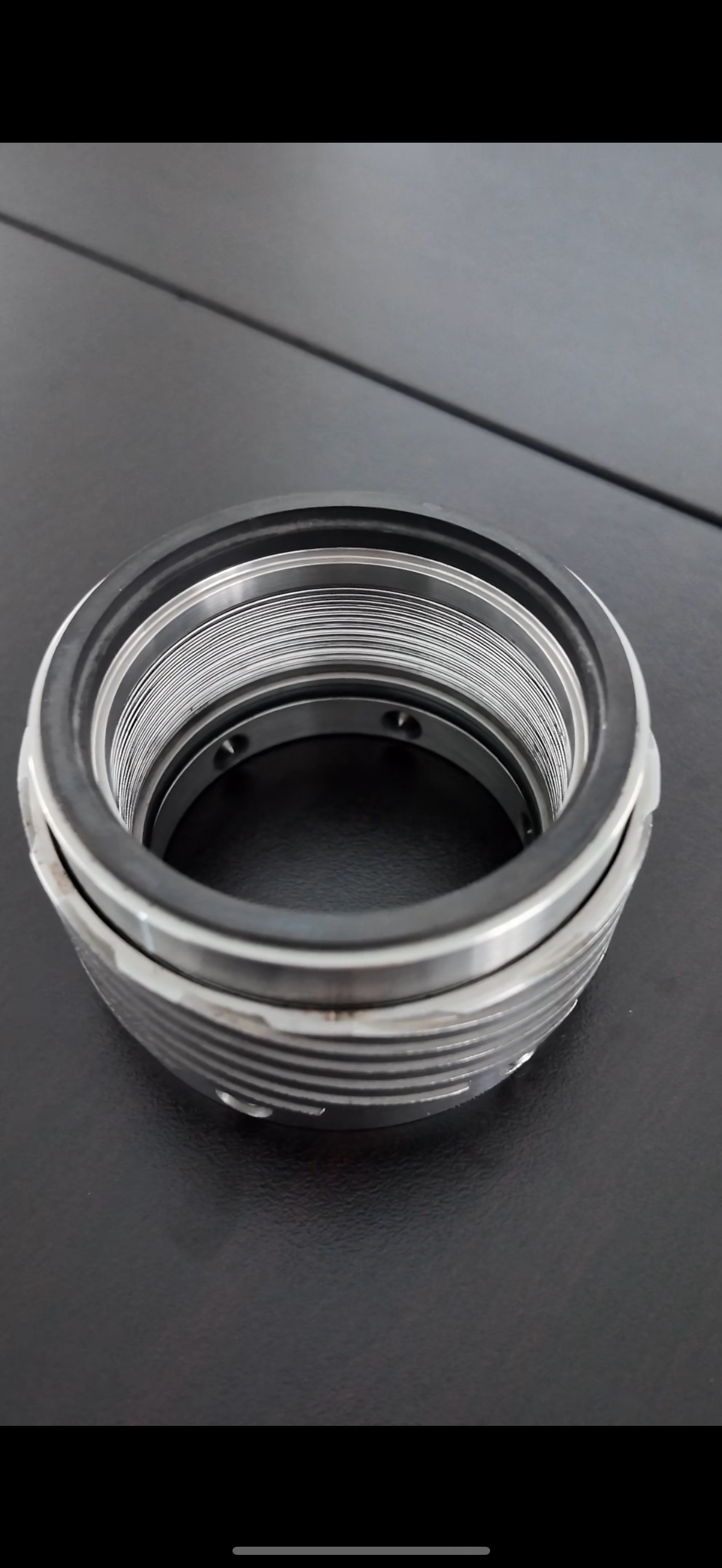
A pump seal is one of the most critical yet frequently overlooked components in any fluid-handling system. Whether you are working with centrifugal pumps in a water treatment facility, chemical dosing systems in a processing plant, or hydraulic circuits in heavy machinery, the integrity of the pump seal determines whether your system runs efficiently or suffers from costly leakage, contamination, and unplanned downtime. Understanding what a pump seal is and how it works is not just an academic exercise — it is a practical necessity for engineers, maintenance professionals, and procurement managers alike.
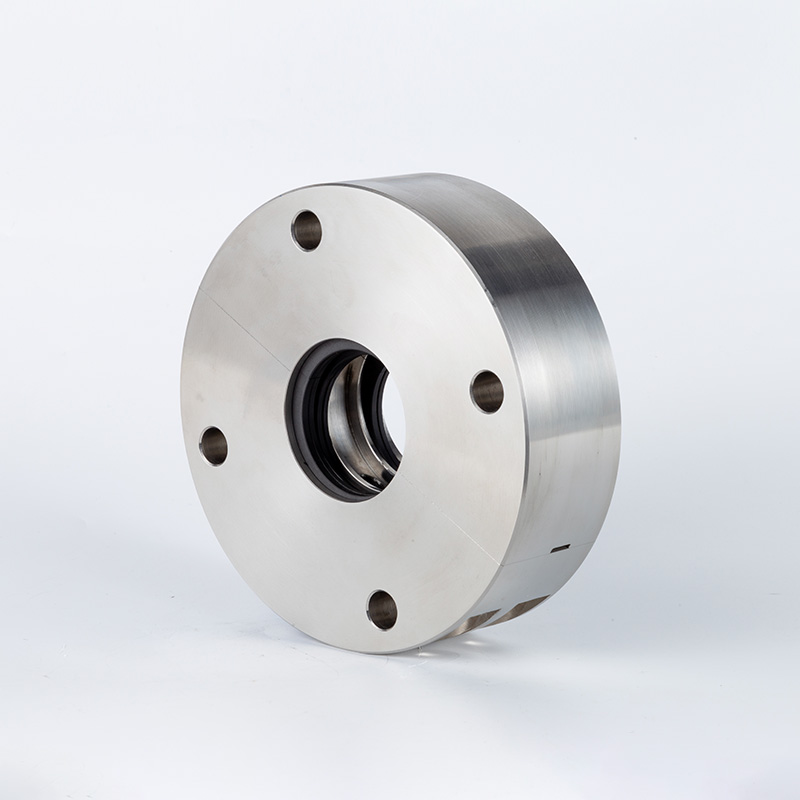
This article provides a thorough explanation of what a pump seal is, the mechanical principles that allow it to function, the different types available for industrial use, and the key factors that influence its performance and service life. By the end, you will have a clear and practical understanding of how this small but essential component keeps your pumping systems reliable, safe, and leak-free across a wide range of operating conditions.
The Definition and Role of a Pump Seal
What a Pump Seal Actually Is
A pump seal is a device designed to prevent fluid from escaping along the rotating shaft of a pump where it passes through the pump housing. Every centrifugal or rotary pump has a shaft that connects the impeller or rotor to the motor driving it. This shaft must pass through the casing wall, and without a proper sealing solution, pressurized fluid would leak freely along the shaft and out into the environment. The pump seal creates a controlled barrier at this critical interface.
The pump seal is engineered to accommodate the relative motion between the rotating shaft and the stationary pump housing while simultaneously blocking the passage of fluid. This is a fundamentally challenging task because it requires the seal to maintain its barrier function under continuous mechanical stress, thermal variation, and exposure to the pumped medium. Modern pump seal technology has advanced considerably to meet these demands across a broad range of industrial applications.
It is important to distinguish the pump seal from simple static seals like gaskets or O-rings. Static seals work between two surfaces that do not move relative to each other. A pump seal, by contrast, must manage dynamic motion — it operates where rotation is constant, making its engineering design significantly more complex and its material selection far more demanding.
Why the Pump Seal Is a System-Critical Component
The consequences of a failing pump seal extend well beyond a minor drip of fluid. In industrial environments, a compromised pump seal can lead to the release of hazardous chemicals, loss of system pressure, contamination of surrounding equipment, and significant safety risks to personnel. In food and pharmaceutical processing, even a microscopic leak through a degraded pump seal can cause product contamination and regulatory non-compliance.
From a maintenance cost perspective, a failed pump seal often triggers a cascade of secondary issues. Leaked fluid can damage bearings, corrode motor windings, and create slip hazards on the plant floor. Unplanned maintenance to replace a worn pump seal typically costs far more than a scheduled replacement would have, making proactive seal management a financially sound practice for any facility.
Energy efficiency is another dimension where the pump seal plays a meaningful role. A seal that is worn or improperly fitted can increase friction losses on the shaft, raise operating temperatures, and reduce the overall efficiency of the pump. Selecting and maintaining the correct pump seal is therefore not just about leak prevention — it contributes directly to the long-term efficiency and reliability of the entire pumping system.
The Core Working Principle of a Pump Seal
How the Sealing Interface Functions
The most widely used type of pump seal in modern industrial applications is the mechanical seal. A mechanical seal works on the principle of maintaining two precisely flat and highly polished faces in controlled contact with each other. One face is attached to the rotating shaft and spins with it, while the other face is held stationary against the pump housing. The contact between these two faces is what prevents fluid from escaping along the shaft.
The seal faces are kept in contact by a combination of spring force and the hydraulic pressure of the fluid being pumped. This contact is not a dry metal-on-metal grinding contact — instead, a thin film of fluid forms between the faces, providing lubrication and cooling while still blocking bulk fluid escape. This hydrodynamic film is essential to the long-term performance of the pump seal because without it, the seal faces would overheat and wear out rapidly.
The precision engineering of the seal faces is what makes this mechanism so effective. The flatness tolerances are measured in micrometers, and the surface finish is typically achieved through lapping processes. Materials such as silicon carbide, tungsten carbide, and carbon graphite are commonly used for seal faces because they offer the hardness, low friction, and thermal stability required to sustain the sealing contact over extended service periods.
Secondary Sealing Elements and How They Contribute
While the primary seal faces form the main barrier, a complete pump seal assembly relies on secondary sealing elements to close off other potential leak paths within the assembly itself. O-rings, elastomeric bellows, and PTFE wedges are typical examples of secondary sealing elements. These components seal the interface between the rotating seal face and the shaft, and between the stationary seat and the pump housing bore.
The secondary sealing elements must accommodate both static sealing requirements and slight axial movements of the seal assembly, which occur as the faces respond to shaft runout, vibration, and thermal expansion. The elastomer material chosen for these secondary elements must be chemically compatible with the pumped fluid and capable of maintaining its shape and resilience across the temperature range of the application.
Spring elements within the pump seal assembly provide the axial force that keeps the seal faces in contact. Single coil springs, multiple coil springs, and wave springs are all used depending on the seal design and application requirements. The spring must provide sufficient closing force to maintain sealing contact at low pressures while not generating excessive face loading that would accelerate wear at higher pressures or speeds.
Types of Pump Seals Used in Industrial Applications
Mechanical Seals and Their Configurations
Mechanical seals used as pump seal solutions come in several configurations tailored to different operating conditions. Single mechanical seals are the most common type, using one pair of seal faces to provide the primary sealing function. They are appropriate for pumping non-hazardous fluids at moderate pressures and temperatures. When the pumped fluid is clean and relatively benign, a single pump seal offers a cost-effective and reliable solution.
Double mechanical seals, sometimes called dual seals, incorporate two sets of seal faces within a single assembly. A barrier fluid is introduced between the two seals, maintained at a pressure higher than the process fluid. This configuration ensures that even if the inboard pump seal face degrades, the barrier fluid prevents process fluid from reaching the atmosphere, making double seals essential for handling toxic, corrosive, or high-vapor-pressure fluids.
Cartridge mechanical seals represent a further evolution in pump seal design. These pre-assembled units include all seal components mounted on a sleeve that slides over the shaft and locks into position in the pump stuffing box. Cartridge seals significantly reduce the risk of assembly errors and simplify maintenance procedures, making them popular in facilities where maintenance personnel may have varying levels of mechanical seal expertise.
Packing Seals and Their Continued Relevance
Before mechanical seals became the standard, compression packing was the dominant pump seal technology. Packing seals consist of rings of fibrous or graphite-based material compressed into the stuffing box around the shaft. When the gland bolts are tightened, the packing compresses radially against the shaft, creating a seal. A small, controlled amount of leakage is typically allowed and even necessary to lubricate and cool the packing.
Packing seals remain in use today in specific applications where their characteristics offer practical advantages. They are tolerant of shaft misalignment and vibration, easier to adjust in the field without stopping the pump, and less sensitive to abrasive particles in the pumped fluid. In applications involving slurries or fluids with suspended solids, packing may outperform a mechanical pump seal in terms of service life and maintenance simplicity.
The trade-off with packing as a pump seal solution is the ongoing need for adjustment and the inherent acceptance of some leakage. In environmentally regulated facilities or where zero-emission standards apply, packing is rarely acceptable. However, in water pumping, mining, and heavy industrial contexts where manageable leakage is tolerable and mechanical simplicity is valued, packing remains a legitimate pump seal choice.
Key Factors That Affect Pump Seal Performance and Selection
Operating Conditions and Material Compatibility
Selecting the right pump seal begins with a thorough analysis of the operating conditions. The temperature, pressure, speed, and chemical nature of the pumped fluid all determine which seal materials and configurations are appropriate. A pump seal designed for clean water service will fail quickly if installed in a high-temperature chemical application, because the elastomers and seal face materials may not be compatible with the process fluid or the thermal demands.
Chemical compatibility is a non-negotiable factor in pump seal selection. The pumped fluid must not degrade the elastomeric secondary seals, attack the metal components of the seal assembly, or chemically react with the seal face materials in a way that accelerates wear. Material selection charts and chemical resistance guides published by seal manufacturers are indispensable tools for engineers specifying a pump seal for a new or existing application.
Shaft speed is another critical parameter. Higher rotational speeds increase the velocity at the seal face interface, generating more heat and requiring better lubrication. A pump seal with adequate face geometry, material hardness, and cooling fluid arrangement must be chosen to handle high-speed applications without premature wear or thermal damage to the sealing faces.
Installation Quality and Maintenance Practices
Even the highest quality pump seal will fail prematurely if it is installed incorrectly. Common installation errors include excessive shaft runout, improper setting of the seal compressed length, contamination of seal faces during handling, and incorrect O-ring sizing. Each of these errors introduces stress concentrations, misalignment, or inadequate face contact that compromises the functional life of the pump seal from day one.
Maintenance practices have a direct impact on how long a pump seal lasts in service. Operating a pump dry, even briefly, can destroy the seal faces because the lubrication film that protects them is absent. Running a pump at flow rates far outside its design curve can induce vibration and cavitation that impose shock loads on the pump seal assembly, causing rapid degradation of both the primary and secondary sealing elements.
Condition monitoring approaches such as temperature measurement at the seal gland, vibration analysis, and flush fluid flow monitoring can provide early warning of pump seal deterioration before catastrophic failure occurs. Implementing these monitoring practices as part of a structured maintenance program is one of the most effective ways to maximize pump seal service life and reduce unplanned maintenance costs across a pump fleet.
FAQ
What is the difference between a mechanical seal and a pump seal?
A pump seal is the general term for any sealing device used to prevent fluid leakage along the shaft of a pump. A mechanical seal is a specific type of pump seal that uses two precision-lapped faces in dynamic contact to create the sealing barrier. Other types of pump seals include compression packing and lip seals, but mechanical seals are the most widely used in modern industrial pumping applications due to their reliability and low leakage characteristics.
How do I know when my pump seal needs to be replaced?
Common indicators of a failing pump seal include visible fluid leakage around the shaft, elevated temperature at the seal gland area, unusual vibration or noise from the pump, and a drop in system pressure or flow rate. In double seal configurations, a rise in barrier fluid pressure or level may indicate that the inboard pump seal faces have degraded. Scheduled replacement at manufacturer-recommended intervals is always preferable to waiting for visible failure.
Can a pump seal be used with all types of fluids?
No. Each pump seal configuration must be matched to the chemical and physical properties of the fluid being pumped. Seal face materials, elastomers, and metal components must all be chemically compatible with the process fluid. High-temperature fluids, aggressive solvents, acids, and fluids with abrasive particles each require specific pump seal designs and material combinations. Using an incompatible pump seal will result in accelerated wear, chemical attack, or seal failure.
What causes premature pump seal failure?
Premature pump seal failure is most commonly caused by incorrect installation, operating the pump outside its design envelope, dry running even for short periods, poor fluid quality such as abrasive particles or entrained gases, misalignment between the pump shaft and driver, and selection of an incompatible seal material for the process fluid. Thermal cycling and vibration are also significant contributors. Addressing these root causes through proper selection, installation, and operating discipline is essential to achieving full service life from any pump seal.