 EN
EN


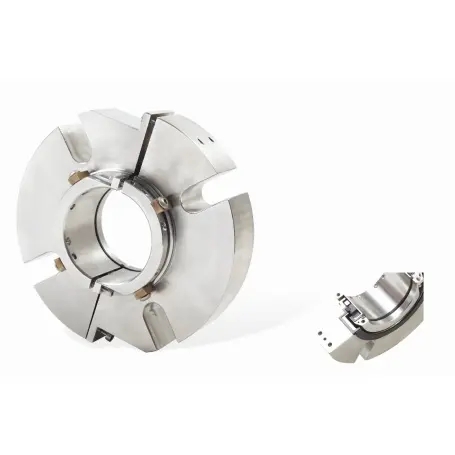
Oil & Gas: Mitigating Catastrophic Risk in Hazardous Environments
Why Dual Containment Is Non-Negotiable for Hydrocarbon and H₂S Services
In hydrocarbon processing and hydrogen sulfide (H₂S) environments, dual mechanical seals provide critical secondary containment—preventing fugitive emissions of toxic or flammable fluids. Single seals present unacceptable leakage risks: a 2023 Process Safety and Environmental Protection study found seal failures contribute to nearly 40% of reported hydrocarbon release incidents in refineries. Dual configurations create a pressurized barrier fluid zone that isolates process media from the atmosphere. This design is mandated for sour gas applications where H₂S concentrations exceed 50 ppm, as barrier fluids—typically non-hazardous glycols or synthetic lubricants—neutralize escaped process chemicals before they reach external environments. Facilities using dual seals report a 98% reduction in emergency shutdowns caused by seal leakage compared to single-seal systems.
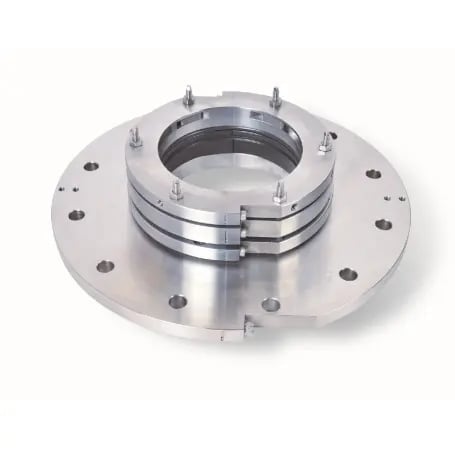
Offshore and Refinery Applications: Real-World Reliability of Double Mechanical Seal Types
Offshore platforms and coastal refineries deploy tandem (back-to-back) or face-to-face double mechanical seal types depending on operating conditions. Tandem seals dominate deepwater applications where API Plan 74 systems continuously monitor barrier fluid pressure—triggering alarms if pressure drops indicate primary seal failure. In seawater-cooled refinery pumps handling sour crudes, face-to-face configurations with pressurized barrier fluids prevent saltwater ingress during thermal cycling. Field data from Gulf of Mexico operations shows tandem seals achieve 96% reliability after 24,000 operational hours in multiphase pumps, while face-to-face designs reduce seal-related downtime by 73% in crude charge pumps handling abrasive contaminants. This reliability stems from robust secondary containment that maintains seal integrity even during transient pressure spikes exceeding 3,000 PSI.
Chemical, Pharmaceutical, and Biotech: Protecting High-Value and Sterile Processes
In chemical, pharmaceutical, and biotechnology sectors, process fluids often carry immense value or pose contamination risks that can compromise patient safety. Double mechanical seals provide a reliable containment barrier—preventing product loss and microbial ingress. By creating a pressurized buffer zone between the rotating shaft and stationary housing, these seals maintain the purity of active pharmaceutical ingredients and sterile media, supporting compliance with Good Manufacturing Practice (GMP) standards.
Reducing Product Loss and Cross-Contamination in API Synthesis
During active pharmaceutical ingredient (API) synthesis, even small leaks can lead to significant yield losses and cross-contamination between batches. A double seal arrangement—typically with a compatible barrier fluid at pressure higher than the process side—ensures no process fluid escapes and no external contaminants enter. This design also extends seal life in aggressive solvents and corrosive intermediates. Pharmaceutical manufacturers rely on specific configurations—such as those with tungsten carbide faces or elastomer-free metal bellows—to withstand harsh reaction conditions and maintain process integrity over extended campaigns.
FDA-Compliant Barrier Fluid Monitoring in Aseptic Bioprocessing
Aseptic bioprocessing demands a barrier fluid system that prevents microbial migration. FDA-compliant designs incorporate continuous monitoring of barrier fluid pressure, flow, and temperature to detect seal degradation before sterility is compromised. A drop in barrier fluid pressure automatically triggers an alarm, prompting immediate maintenance without disrupting the sterile environment. These monitoring systems—often integrated with clean-in-place (CIP)-capable seal chambers—support biotech facilities in sustaining Class 100 (ISO 5) conditions for producing injectables, vaccines, and cell therapies. By combining robust seal materials with real-time diagnostics, manufacturers achieve both operational reliability and strict regulatory compliance.
Food & Beverage and Water/Wastewater: Ensuring Safety, Compliance, and Durability
Double Mechanical Seal Types for USDA-Food Grade and Low-Leakage Requirements
Food-grade processing demands absolute leakage prevention to avoid product contamination. Tandem or back-to-back double mechanical seals provide redundant barriers meeting USDA standards. These designs incorporate FDA-compliant materials like perfluoroelastomer (FFKM) secondary seals that withstand aggressive CIP/SIP cleaning cycles while maintaining integrity. In dairy processing, low-leakage systems prevent lubricant migration into product streams—critical for allergen control. Modern monitoring systems track barrier fluid pressure between seals and trigger automatic shutdowns upon integrity breaches, reducing product loss by up to 0.5% versus single seals according to 2023 industry benchmarks.
Corrosion-Resistant Designs Handling Abrasive Slurries and Chlorinated Effluents
Wastewater treatment pumps face extreme abrasion from grit-laden flows and pitting corrosion from chlorinated disinfectants. Double mechanical seals combat this through hardened silicon carbide faces and nickel-alloy springs that withstand chloride concentrations exceeding 5,000 ppm. For sewage sludge applications, specialized tungsten carbide coatings deliver erosion rates of ≤0.2 mm/year in high-solids environments. The dual-seal barrier fluid creates positive pressure against abrasive particle ingress, extending mean time between failures (MTBF) by 40–60% compared to single seals. Municipal plants report service lives of 3–5 years—even when handling grit concentrations over 15% by weight.
FAQ Section
What are dual mechanical seals and why are they important?
Dual mechanical seals are sealing systems that feature two layers of containment to prevent leakage of process fluids. They are critical for applications involving hazardous, sterile, or high-value substances, providing superior containment and system reliability.
What are the key applications of double mechanical seals?
Key applications include hydrocarbon processing, sour gas handling, active pharmaceutical ingredient synthesis, aseptic bioprocessing, food-grade manufacturing, and wastewater treatment.
How do double mechanical seals benefit API synthesis in pharmaceutical manufacturing?
They prevent batch contamination and product loss while extending seal life under aggressive chemical conditions.
What monitoring systems are used with double mechanical seals?
Barrier fluid systems with continuous monitoring of pressure, temperature, and flow are used to detect seal degradation and ensure compliance with safety and regulatory standards.