 EN
EN


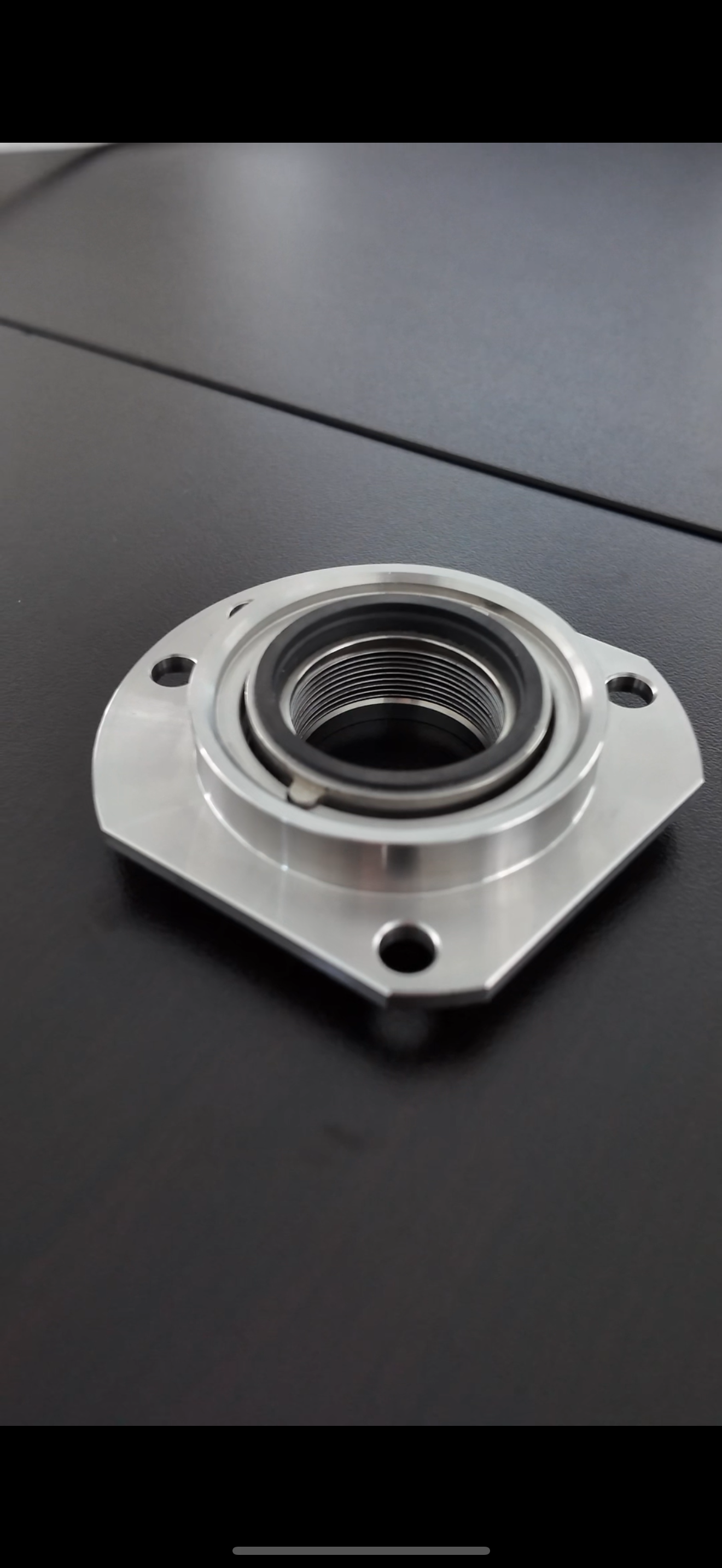
Ang mga sistemang pang-pumping na may mataas na presyon ay nangangailangan ng mga solusyon sa pag-seal na kahanga-hanga na kayang tumagal sa labis na kondisyon habang pinapanatili ang kahusayan ng operasyon. Sa mga kapaligiran sa industriya kung saan ang antas ng presyon ay lumalampas sa karaniwang mga parameter ng operasyon, ang pagpili ng angkop na teknolohiya sa pag-seal ay naging napakahalaga para sa katiyakan at pagganap ng sistema. Ang mga modernong aplikasyon ng pumping ay nangangailangan ng mga seal na hindi lamang nakakapigil sa pagbubuhos ng likido kundi pati na rin ay nagpapakita ng napakataas na tibay sa ilalim ng tuloy-tuloy na operasyon sa mataas na presyon. Ang pag-unawa sa mga pangunahing prinsipyo ng pagganap ng seal sa mga mahihirap na kapaligiran na ito ay nagbibigay-daan sa mga inhinyero at mga propesyonal sa pagpapanatili na gumawa ng impormadong desisyon upang mapabuti ang oras ng operasyon ng sistema at bawasan ang mga gastos sa operasyon.
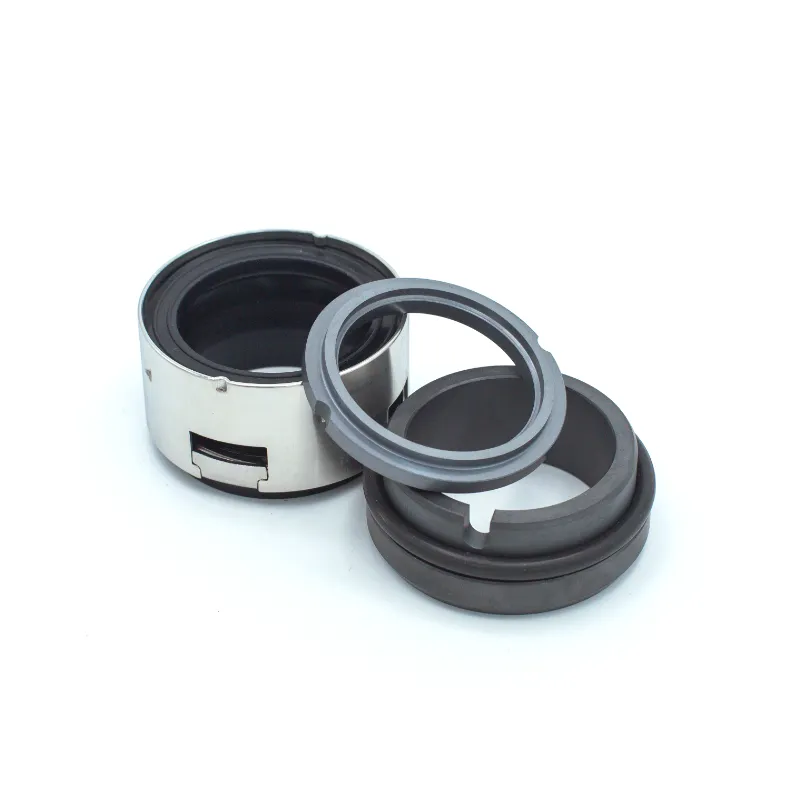
Pag-unawa sa mga Hamon sa Pag-seal sa Mataas na Presyon
Mga Kadahilanan ng Stress na May Kaugnayan sa Presyon
Ang mga kapaligiran na may mataas na presyon ay nagpapakailan sa mga bahagi ng pag-seal ng maraming mga kadahilanan ng stress na maaaring paburutin ang kanilang integridad sa paglipas ng panahon. Ang labis na presyon ay lumilikha ng radial at axial na puwersa na maaaring magdulot ng depekto sa seal, pagkapagod ng materyal, at panghuling kabiguan. Ang dinamikong kalikasan ng mga pagbabago ng presyon sa mga sistemang pampipelya ay nagdaragdag ng kumplikasyon sa hamon ng pag-seal, dahil ang mga materyal ay kailangang makasakop sa iba't ibang antas ng stress nang hindi nawawala ang kanilang kakayahang mag-seal. Ang mga pagbabago ng temperatura na kasama ng mga pagbabago ng presyon ay lalo pang pinapahirap ang mga hamong ito, kailangan ng mga materyal ng seal na panatilihin ang kanilang mga katangian sa loob ng malawak na saklaw ng operasyon.
Ang pagpili ng materyales ay naging napakahalaga kapag tinatamaan ang mga kadahilanan ng stress na may kinalaman sa presyon sa mga aplikasyon ng pagpapadala. Ang mga tradisyonal na materyales para sa mga selyo ay maaaring magpakita ng hindi sapat na pagganap kapag inilantad sa matagalang mataas na presyon, na humahantong sa maagang pagkabigo at paghinto ng sistema. Ang mga advanced na polymer na compound at espesyalisadong elastomer ay nag-aalok ng mas mataas na resistensya laban sa deformasyon na dulot ng presyon habang pinapanatili ang kahutukan na kinakailangan para sa epektibong pagse-seal. Dapat mabigyang-pansin nang maingat ang interaksyon ng presyon, temperatura, at kompatibilidad sa kemikal upang matiyak ang optimal na pagganap ng selyo sa buong buhay ng operasyon.
Pag-uugnay ng Kimikal na Konsiderasyon
Ang pagkakasintahan sa kemikal ay kumakatawan sa isang mahalagang kadahilanan sa pagpili ng mga sila para sa mataas na presyur na pagpapadala, lalo na kapag hinahawakan ang mga agresibong likido o espesyal na media. Ang pagsasama ng mataas na presyur at pagkakalantad sa kemikal ay maaaring paabutin ang mga proseso ng degradasyon ng materyales, na humahantong sa pagbubulok, pagiging matigas, o kemikal na pagkasira ng mga bahagi ng sila. Ang pag-unawa sa mga tiyak na kemikal na katangian ng ipinapadalang media ay nagpapahintulot sa mga inhinyero na pumili ng mga materyales para sa mga sila na tumututol sa kemikal na pag-atake habang pinapanatili ang kanilang mekanikal na katangian sa ilalim ng presyur.
Ang mga advanced na materyales para sa pag-seal ay kasama ang mga pormulasyon na tumutol sa kemikal, na kaya ang pagkakalantad sa mga asido, base, solvent, at iba pang agresibong sangkap na karaniwang nakikita sa mga aplikasyon ng industriyal na pagpapadala ng likido. Ang sinergistikong epekto ng presyon at pagkakalantad sa kemikal ay nangangailangan ng komprehensibong pagsusuri ng materyales upang mapatunayan ang pagganap sa ilalim ng tunay na kondisyon ng operasyon. Ang tamang pagtataya ng kemikal na kaharapang (chemical compatibility) ay nagpipigil sa maagang pagkabigo ng seal at tiyak na pananatiling pare-pareho ang pagganap ng sealing sa buong saklaw ng operasyon ng mga mataas na presyong sistema ng pagpapadala ng likido.
Mga Advanced na Teknolohiya sa Pag-seal para sa Mga Ekstremong Aplikasyon
Mga Multi-Stage na Sistema ng Pag-seal
Ang mga konpigurasyon ng multi-stage na pag-seal ay nagbibigay ng mas mataas na katiyakan para sa mga aplikasyon ng mataas na presyon sa pagpapadala ng likido sa pamamagitan ng pagbabahagi ng mga load ng presyon sa maraming punto ng pag-seal. Ang paraang ito ay binabawasan ang stress concentration sa bawat indibidwal na elemento ng seal habang nagbibigay ng redundancy na nagpapabuti sa kabuuang katiyakan ng sistema. hq seals isinasama ang mga advanced na disenyo na may maraming yugto na nag-o-optimize sa pamamahagi ng presyon at nagpapahaba ng buhay ng operasyon sa ilalim ng ekstremong kondisyon.
Ang paggamit ng mga sistemang pang-sealing na may yugto-yugto ay nagpapahintulot ng progresibong pagbawas ng presyon sa interface ng pag-seal, na binabawasan ang pasanin sa mga pangunahing elemento ng pag-seal. Ang konfigurasyong ito ay nagpapahintulot sa paggamit ng mga espesyalisadong materyales na optimizado para sa tiyak na saklaw ng presyon habang pinapanatili ang kabuuang kahusayan ng pag-seal. Ang modular na kalikasan ng mga sistemang may maraming yugto ay nagpapadali rin ng pagpapanatili at pagpapalit ng mga bahagi nang hindi kailangang i-shutdown ang buong sistema, kaya nababawasan ang mga pagkakagambala sa operasyon sa mga mahahalagang aplikasyon ng pagpapadala ng likido.
Dinamikong Kompensasyon ng Presyon
Ang mga teknolohiyang pang-kompensasyon ng dinamikong presyon ay tumutugon sa mga hamon na kaugnay ng mga pagbabago ng presyon sa mga sistemang pang-pumping na may mataas na presyon. Ang mga napakahusay na solusyon sa pag-seal na ito ay kasama ang mga elemento na sensitibo sa presyon na awtomatikong nag-a-adjust ng lakas ng pag-seal bilang tugon sa iba't ibang kondisyon ng operasyon. Ang kakayahang umadapt na ito ay nagsisiguro ng pare-parehong pagganap ng pag-seal sa buong saklaw ng operasyon habang pinipigilan ang labis na kompresyon na maaaring magdulot ng sobrang pagkasira at pagkonsumo ng enerhiya.
Ang mga mekanismo ng kompensasyon ng presyon ay gumagamit ng mga bahagi na may paited na spring, mga sistemang hydraulic, o mga pneumatic actuator upang panatilihin ang optimal na kontak ng pag-seal sa lahat ng uri ng kondisyon ng presyon. Ang teknolohiyang ito ay nagbibigay-daan sa mga mataas na kalidad na seal na tanggapin ang mga biglang pagtaas ng presyon, mga pansamantalang kondisyon, at mga normal na pagbabago sa operasyon nang hindi nawawala ang integridad ng pag-seal. Ang sariling pag-a-adjust ng mga sistemang ito ay binabawasan ang pangangailangan ng manu-manong pag-a-adjust habang nagbibigay ng pare-parehong pagganap sa mahabang panahon ng operasyon.
Pagpili ng Materyales at Pag-optimize ng Pagganap
Mga Kompound na Elastomer na may Mataas na Pagganap
Ang mga modernong aplikasyon ng mataas na presyon sa pag-seal ay nangangailangan ng mga kompound na elastomer na lumalampas sa mga limitasyon sa pagganap ng mga konbensyonal na materyales. Ang mga advanced na pormulasyon ng polymer ay kasama ang mga espesyalisadong additive at mga ahente sa cross-linking na nagpapahusay ng pagtutol sa presyon habang pinapanatili ang kahutukang kinakailangan para sa epektibong pag-seal. Ang mga materyales na ito ay nagpapakita ng napakahusay na pagtutol sa explosive decompression, isang mahalagang mode ng pagkabigo sa mga aplikasyon na may mataas na presyon kung saan ang mabilis na paglabas ng presyon ay maaaring magdulot ng pinsala sa seal.
Ang pag-unlad ng mga espesyalisadong elastomer na compound para sa mga hq seal ay nagsasangkot ng malawakang pagsusuri sa ilalim ng mga simulated na kondisyon ng operasyon upang mapatunayan ang mga katangian ng pagganap. Ang katatagan sa temperatura, resistensya sa kemikal, at mga katangiang mekanikal ay ino-optimize sa pamamagitan ng maingat na pagpili ng mga base polymer at mga sistema ng additive. Ang mga resultang materyales ay nagbibigay ng kahanga-hangang tibay sa ilalim ng mataas na presyur habang pinapanatili ang kakayahang sumunod na kinakailangan para sa epektibong sealing laban sa mga machined na ibabaw.
Mga Inobasyon sa Composite Material
Ang mga komposit na materyales ay kumakatawan sa isang malaking unlad sa teknolohiya ng mataas-na-presyur na pag-seal, na pagsasama ng mga benepisyo ng maraming sistema ng materyales upang makamit ang napakahusay na pagganap. Ang mga inobatibong materyales na ito ay naglalaman ng mga pampalakas na hibla, partikulo ng seramiko, o mga metalikong elemento sa loob ng mga polymer matrix upang mapabuti ang lakas at pagtutol sa presyur. Ang mga nabuong komposit ay nagpapakita ng napakadaling pagganap sa ilalim ng ekstremong kondisyon habang pinapanatili ang kakayahang iproseso na kinakailangan para sa mga kumplikadong hugis ng seal.
Ang pagsasama ng mga composite material sa disenyo ng mga seal ay nagpapahintulot sa pag-optimize ng mga tiyak na katangian ng pagganap tulad ng paglaban sa pagsuot, conductivity ng init, o pagkakatugma sa kemikal. Ang mga advanced na pamamaraan sa paggawa ay nagbibigay-daan sa eksaktong kontrol sa istruktura at mga katangian ng composite, na nagsisigurado ng pare-parehong pagganap sa buong dami ng produksyon. Ang mga materyales na ito ay nagpapahintulot sa mga hq seal na abotin ang antas ng pagganap na dati ay hindi maisasagawa gamit ang mga konbensiyonal na materyales para sa sealing, na bukas ang bagong mga posibilidad para sa mga aplikasyon ng high-pressure pumping.
Mga Dakilang Gampanin sa Pag-instala at Pagsasawi
Mga Pamamaraan sa Tumpak na Pag-install
Ang tamang mga pamamaraan sa pag-install ay mahalaga upang makamit ang pinakamahusay na pagganap mula sa mga sistema ng mataas-na-presyur na pag-seal. Ang mga toleransya sa presisyong pagmamachine, mga kinakailangan sa surface finish, at mga teknik sa pag-aassemble ay kailangang maingat na kontrolin upang matiyak ang tamang pagganap ng seal sa ilalim ng ekstremong kondisyon ng operasyon. Ang mga pamamaraan sa pag-install para sa mga hq seal ay kasama ang mga tiyak na gabay para sa mga sukat ng groove, paghahanda ng surface, at mga pagkakasunod-sunod sa pag-aassemble na nag-o-optimize sa pagganap ng pag-seal at buhay ng operasyon.
Ang proseso ng pag-install ay nangangailangan ng pansin sa mga detalye tulad ng oryentasyon ng seal, lubrication, at mga compression ratio na direktang nakaaapekto sa kahusayan ng pag-seal. Ang mga espesyal na kagamitan at fixtures para sa pag-install ay nagpapagarantiya ng pare-parehong kalidad ng pag-aassemble habang pinipigilan ang pinsala sa mga bahagi ng seal habang ito ay inilalagay. Ang mga programa sa pagsasanay para sa mga tauhan sa pagpapanatili ay binibigyang-diin ang tamang mga teknik at mga hakbang sa quality control na nagmamaximize sa pagganap ng seal at katiyakan ng sistema sa mga aplikasyon na may mataas na presyur.
Mga Estratehiya sa Predictive Maintenance
Ang mga pamamaraan ng predictive maintenance ay nagpapahintulot ng proaktibong pamamahala ng mga seal sa mga high-pressure pumping system, na binabawasan ang hindi inaasahang pagdurugtong at pinooptimize ang mga interval ng pagpapalit. Ang mga teknik ng condition monitoring tulad ng vibration analysis, pressure monitoring, at leak detection ay nagbibigay ng maagang babala para sa pagbaba ng kalidad ng mga seal bago pa man mangyari ang katas-tasang pagkabigo. Ang mga estratehiyang ito sa pagmomonitor ay nagpapahintulot sa mga koponan ng pagpapanatili na ischedule ang pagpapalit ng mga seal sa panahon ng mga nakatakdang pagdurugtong, kaya nababawasan ang mga pagkakagambala sa operasyon.
Ang mga advanced monitoring systems ay sumasali sa data analytics at machine learning algorithms upang hulaan ang mga pattern ng pagkabigo ng mga seal at i-optimize ang mga schedule ng pagpapanatili. Ang pagsasama ng historical performance data at real-time operating conditions ay nagpapahintulot ng tumpak na paghula sa natitirang buhay ng mga seal sa ilalim ng iba't ibang kondisyon ng operasyon. Ang kakayahang hulaing ito ay nagpapahintulot sa mga operator na maksimunin ang operational life ng mga high-quality seals habang pinapanatili ang reliability at kaligtasan ng sistema sa mga high-pressure environment.
Mga Paraan ng Pagpapatunay at Pagsusuri ng Pagganap
Mga Protokol sa Pagsusuri sa Laboratoryo
Ang komprehensibong mga protokol sa pagsusuri ay nagpapatunay sa mga katangian ng pagganap ng mga sistema ng pagse-seal sa ilalim ng mga kondisyong may mataas na presyon na ginagaya. Ang mga pasilidad sa pagsusuri sa laboratorio na kabilang ang mga espesyal na silid na may kontroladong presyon at kontrol sa kapaligiran ay nagbibigay-daan sa pagsusuri ng pagganap ng mga seal sa malawak na saklaw ng presyon, temperatura, at mga kondisyon ng pagkakalantad sa kemikal. Ang mga kontroladong kapaligiran sa pagsusuri na ito ay nagbibigay ng mahalagang datos para sa pagpili ng mga seal at paghuhula ng kanilang pagganap sa mga tiyak na aplikasyon.
Ang mga standardisadong paraan ng pagsusuri ay nagsisiguro ng pare-parehong mga pamantayan sa pagsusuri para sa paghahambing ng iba't ibang teknolohiya at materyales ng pagse-seal. Ang mga pagsusuri sa paikot na pagtanda, pagsusuri sa siklikong presyon, at pagsusuri sa pagkakatugma sa kemikal ay nagbibigay ng komprehensibong datos tungkol sa pagganap para sa paggawa ng mga desisyon sa inhinyeriya. Ang mga resulta ng pagsusuri sa laboratorio ay nagpapatunay sa mga parameter ng disenyo at pagpili ng materyales na isinama sa mga seal na hq, na nagsisiguro ng maaasahang pagganap sa ilalim ng aktwal na kondisyon ng operasyon.
Pagsusuri sa Pagganap sa Field
Ang pagsubaybay sa pagganap sa field ay nagbibigay ng tunay na pagpapatunay sa pagganap ng mga seal sa ilalim ng aktwal na kondisyon ng operasyon sa mga sistemang pang-pumping na may mataas na presyon. Ang patuloy na pagsubaybay sa mga pangunahing tagapagpahiwatig ng pagganap tulad ng mga rate ng pagbubuga, pagbaba ng presyon, at antas ng pagvivibrate ay nagpapahintulot sa pagtataya ng kalagayan ng seal at ng mga trend sa pagganap nito sa paglipas ng panahon. Ang data mula sa operasyon na ito ay nagbibigay ng mahalagang feedback para sa optimisasyon ng disenyo at para sa mga inisyatibong pagpapabuti ng pagganap.
Ang pagsasama ng teknolohiyang sensor at mga sistema ng pagkuha ng data ay nagpapahintulot sa komprehensibong pagsubaybay sa mga parameter ng pagganap ng seal habang gumagana ang mga sistema nang normal. Ang mga kakayahan sa remote monitoring ay nagpapahintulot sa patuloy na pagtataya ng maraming sistemang pang-pumping mula sa sentralisadong lokasyon, na nagpapabuti sa kahusayan ng pagpapanatili at sa bilis ng tugon. Ang data mula sa field performance ay nagpapatunay sa mga resulta ng laboratoryo at nagbibigay ng mga pananaw para sa karagdagang pag-unlad ng mga advanced na teknolohiyang pang-sealing para sa mga aplikasyong may mataas na presyon.
Cost-Benefit Analysis at ROI Considerations
Pagsusuri sa Kabuuang Gastos sa Pagmamay-ari
Ang pagtataya ng kabuuang gastos sa pagmamay-ari ay nagbibigay ng isang komprehensibong balangkas para sa pagsusuri sa epekto sa ekonomiya ng pagpili ng mga sistema ng pagse-seal sa mga aplikasyon ng mataas na presyon na pagpapadala. Kasama sa pagsusuring ito ang mga paunang gastos sa pagbili, mga gastos sa instalasyon, mga kinakailangan sa pangangalaga, at mga epekto sa operasyon upang matukoy ang tunay na gastos ng mga solusyon sa pagse-seal sa buong buhay na operasyon nito. Ang superior na katangian ng pagganap ng hq seals ay kadalasang nagpapaliwanag sa mas mataas na paunang gastos dahil sa nababawasan ang mga kinakailangan sa pangangalaga at mas mahabang buhay na operasyon.
Ang pagsusuri ng gastos sa buong buhay (lifecycle cost analysis) ay isinasaalang-alang ang mga kadahilanan tulad ng kadalasan ng pagpapalit ng mga seal, mga gastos sa pagpapanatili (maintenance labor costs), ang panahon na hindi gumagana ang sistema (system downtime), at ang pagkonsumo ng enerhiya na kaugnay ng iba't ibang mga teknolohiya ng pag-seal. Ang mga advanced sealing systems na nagpapakita ng napakabuting katiyakan (reliability) at pagganap (performance) ay madalas na nagbibigay ng malakiang pagtitipid sa gastos sa pamamagitan ng mas kaunting pangangailangan ng pagpapanatili at mas mahusay na availability ng sistema. Ang mga ekonomikong benepisyo ng mga high-performance sealing solution ay lalo pang naging malaki sa mga kritikal na aplikasyon kung saan ang di-nakaplanong panahon na hindi gumagana ang sistema (unplanned downtime) ay nagreresulta sa malalaking pagkawala sa produksyon.
Mga Kalkulasyon sa Balik Kapital
Ang mga kalkulasyon sa Return on Investment (ROI) ay nagpapakita ng mga benepisyong pangkabuhayan na kaugnay ng pag-upgrade sa mga advanced na sealing technology sa mga high-pressure pumping system. Ang mga kalkulasyong ito ay sumasali sa mga naiipon na gastos mula sa nabawasang pagpapanatili, pinabuting katiyakan, at mas mataas na kahusayan sa enerhiya upang matukoy ang mga panahon ng pagbabalik (payback periods) at ang kabuuang benepisyong pang-ekonomiya. Ang pagpapatupad ng mga advanced na sealing solution ay karaniwang nagpapakita ng kaakit-akit na ROI sa pamamagitan ng maraming kategorya ng benepisyo.
Ang pagsusuri sa pananalapi ng mga upgrade sa sealing system ay dapat isaalang-alang ang parehong direktang pagtipid sa gastos at hindi direktang benepisyo tulad ng pinabuting kalidad ng produkto, nabawasang epekto sa kapaligiran, at pinahusay na seguridad sa operasyon. Ang mga advanced na sealing technology ay maaaring payagan ang operasyon sa mas mataas na presyon o sa mas agresibong kondisyon, na nagbibigay ng mga benepisyong operasyonal na lumalampas sa simpleng pagbawas sa gastos sa pagpapanatili. Ang komprehensibong pagsusuri sa ekonomiya ng hq seals ay nagpapakita ng kanilang halaga sa mga mahihirap na high-pressure application.
Mga trend sa hinaharap at teknolohikal na pag-unlad
Matalinong Teknolohiya sa Pag-seal
Ang mga matalinong teknolohiya sa pag-seal ay kumakatawan sa susunod na henerasyon ng pag-unlad sa mga sistema ng pag-seal sa mataas na presyon, na pinalalawak ang mga sensor at kakayahan sa komunikasyon nang direkta sa loob ng mga pagsasaayos ng seal. Ang mga madunong sistemang ito sa pag-seal ay nagbibigay ng real-time na pagsubaybay sa kondisyon ng seal, mga parameter ng operasyon, at mga trend sa pagganap sa pamamagitan ng mga nakaimbak na network ng sensor. Ang pag-unlad ng mga matalinong teknolohiya sa pag-seal ay nagpapahintulot sa mga estratehiya ng predictive maintenance at proaktibong pamamahala ng sistema sa mga aplikasyong may mataas na presyon.
Ang pagsasama ng wireless communication at data analytics capabilities ay nagpapahintulot sa remote monitoring at diagnostics ng pagganap ng sealing system mula sa sentralisadong control centers. Ang mga machine learning algorithm ay nagsisiproseso ng operational data upang tukuyin ang mga pattern ng pagganap at hulaan ang mga pangangailangan sa maintenance na may mas mataas na katiyakan. Ang mga teknolohikal na unlad na ito ay nagpo-position ng hq seals sa unahan ng sealing system innovation, na nagbibigay ng mas mataas na halaga sa pamamagitan ng mapabuting monitoring at diagnostic capabilities.
Mga Advanced na Teknik sa Paggawa
Ang mga advanced manufacturing techniques tulad ng additive manufacturing at precision molding ay nagpapahintulot sa produksyon ng mga kumplikadong seal geometries at integrated features na dati'y imposible gamit ang mga conventional manufacturing methods. Ang mga three-dimensional printing technologies ay nagpapahintulot sa mabilis na prototyping at customization ng mga sealing solution para sa mga tiyak na high-pressure applications. Ang mga manufacturing advances na ito ay nagpapahintulot sa optimization ng seal design para sa mas mahusay na pagganap at functionality.
Ang pagpapatupad ng mga awtomatikong proseso sa pagmamanufaktura ay nagsisiguro ng pare-parehong kalidad at tiyak na sukat sa produksyon ng mga seal habang binabawasan ang mga gastos sa pagmamanufaktura at ang oras ng paggawa. Ang mga advanced na sistema ng quality control ay kasama ang inspeksyon at pagsusuri sa loob ng linya upang mapatunayan ang mga katangian ng performance ng mga seal habang ginagawa ang mga ito. Ang mga teknolohikal na unlad na ito ay nagbibigay-daan sa hq seals na panatilihin ang kanilang posisyon bilang mga lider sa industriya sa pamamagitan ng patuloy na pagpapabuti sa mga kakayahan sa pagmamanufaktura at kalidad ng produkto.
Madalas Itanong
Anong mga rating ng presyon ang maaaring makamit gamit ang mga modernong high-pressure seals
Ang mga modernong sistema ng mataas na presyon para sa pag-seal ay maaaring makamit ang mga rating ng presyon na lumalampas sa 50,000 PSI sa mga espesyalisadong aplikasyon, kung saan ang karaniwang mga seal na pang-industriya ay karaniwang may rating na hanggang 15,000 PSI. Ang makakamit na rating ng presyon ay nakasalalay sa iba’t ibang salik tulad ng disenyo ng seal, pagpili ng materyales, kalidad ng pag-install, at temperatura ng operasyon. Ang mga napapanahong teknolohiya sa pag-seal ay patuloy na pinapalawak ang hangganan ng kakayahan sa presyon sa pamamagitan ng mga mapabuting materyales at inobatibong mga paraan sa disenyo na nagpapamahagi ng stress at nagpapahusay ng tibay sa ilalim ng ekstremong kondisyon.
Paano nakaaapekto ang mga pagbabago sa temperatura sa pagganap ng seal sa mga kapaligirang may mataas na presyon
Ang mga pagbabago sa temperatura ay malaki ang epekto sa pagganap ng mga seal dahil nakaaapekto ito sa mga katangian ng materyal tulad ng kahigpit, elastisidad, at pagkakapansin ng sukat. Ang mataas na temperatura ay maaaring magdulot ng pagmumolekyla ng mga materyal ng seal at pagkawala ng pwersa ng pagse-seal, samantalang ang mababang temperatura ay maaaring magdulot ng pagkakabato at pagbaba ng flexibility. Ang mga advanced na materyal ng seal ay binubuo upang panatilihin ang pare-parehong katangian sa loob ng malawak na saklaw ng temperatura, karaniwang mula -40°F hanggang 400°F, na nagpapatitiyak ng maaasahang pagganap ng pagse-seal sa iba’t ibang kondisyon ng operasyon sa mga high-pressure pumping system.
Ano ang inirerekomendang mga interval ng pagpapanatili para sa mga high-pressure sealing system?
Ang mga panahon ng pagpapanatili para sa mga sistema ng mataas na presyong pag-seal ay nag-iiba depende sa mga kondisyon ng operasyon, teknolohiya ng seal, at mga kinakailangan ng aplikasyon, na karaniwang nasa pagitan ng 6 na buwan hanggang 3 taon para sa mga industriyal na aplikasyon ng pagpapadala ng likido. Ang mga estratehiya ng predictive maintenance na gumagamit ng condition monitoring ay nagpapahintulot sa pag-optimize ng mga panahon ng pagpapalit batay sa aktwal na kalagayan ng seal imbes na sa nakatakda nang mga iskedyul. Ang mga regular na prosedura ng inspeksyon ay dapat kasama ang visual na pagsusuri, pagtukoy ng mga sira o leak, at pagsubaybay sa pagganap upang matukoy ang mga unang palatandaan ng pagbaba ng kalidad ng seal at i-optimize ang tamang panahon ng pagpapanatili.
Paano nakaaapekto ang mga kinakailangan sa chemical compatibility sa pagpili ng seal
Ang mga kinakailangan sa pagkakasintahan sa kemikal ay mahahalagang mga kadahilanan sa pagpili ng mga sel, dahil ang pagkakalantad sa mga kemikal na hindi umaangkop ay maaaring magdulot ng pagbubuhos, pagmamaputi, pagsira, o pagkabulok ng kemikal sa mga materyales ng sel. Ang komprehensibong mga tsart ng pagkakasintahan sa kemikal at mga datos mula sa pagsusuri ay nagbibigay-gabay sa pagpili ng materyales para sa mga tiyak na uri at konsentrasyon ng likido. Ang pagsasama ng mataas na presyon at pagkakalantad sa kemikal ay maaaring paikliin ang mga proseso ng pagkasira, kaya kailangan ang mga espesyalisadong materyales tulad ng FFKM, PTFE, o mga espesyalisadong elastomer na kompound na tumututol sa pag-atake ng kemikal habang pinapanatili ang mga katangiang mekanikal sa ilalim ng presyon.
Talaan ng Nilalaman
- Pag-unawa sa mga Hamon sa Pag-seal sa Mataas na Presyon
- Mga Advanced na Teknolohiya sa Pag-seal para sa Mga Ekstremong Aplikasyon
- Pagpili ng Materyales at Pag-optimize ng Pagganap
- Mga Dakilang Gampanin sa Pag-instala at Pagsasawi
- Mga Paraan ng Pagpapatunay at Pagsusuri ng Pagganap
- Cost-Benefit Analysis at ROI Considerations
- Mga trend sa hinaharap at teknolohikal na pag-unlad
-
Madalas Itanong
- Anong mga rating ng presyon ang maaaring makamit gamit ang mga modernong high-pressure seals
- Paano nakaaapekto ang mga pagbabago sa temperatura sa pagganap ng seal sa mga kapaligirang may mataas na presyon
- Ano ang inirerekomendang mga interval ng pagpapanatili para sa mga high-pressure sealing system?
- Paano nakaaapekto ang mga kinakailangan sa chemical compatibility sa pagpili ng seal