 EN
EN


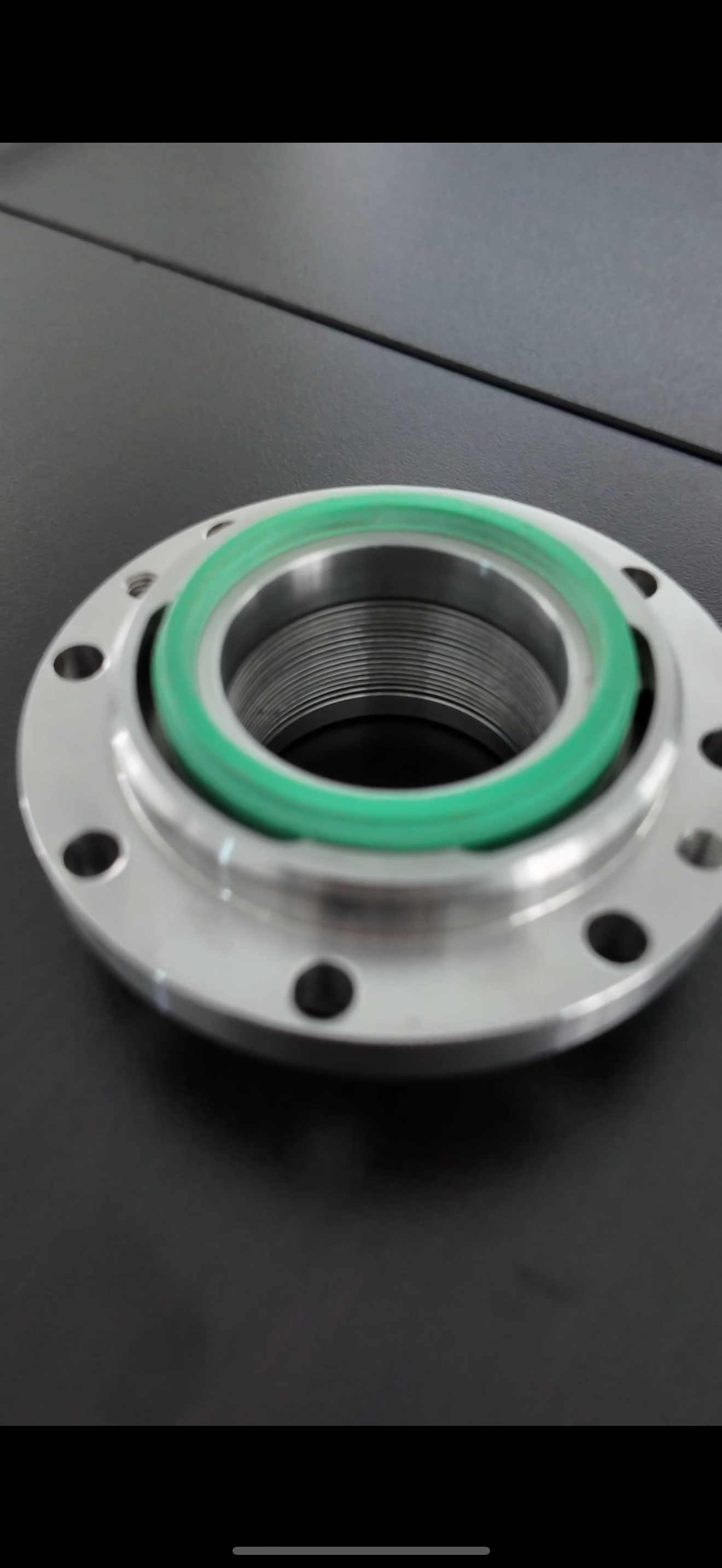
औद्योगिक पंप कठोर परिस्थितियों के तहत काम करते हैं, जिनमें विश्वसनीय द्रव धारण और रिसाव रोकथाम की आवश्यकता होती है। सही यांत्रिक सील के प्रकार पंप की दीर्घायु, संचालन दक्षता और रखरखाव लागत को सीधे प्रभावित करता है। विभिन्न यांत्रिक सील प्रकार को विशिष्ट द्रव विशेषताओं, दबाव सीमाओं, तापमान चरम स्थितियों और गति भिन्नताओं को संभालने के लिए अभियांत्रिकी द्वारा विकसित किया गया है। उपलब्ध यांत्रिक सील के प्रकार के बीच के अंतर को समझना संयंत्र प्रबंधकों और इंजीनियरों को अपनी संचालन आवश्यकताओं और बजट प्रतिबंधों के अनुरूप सूचित निर्णय लेने में सक्षम बनाता है।
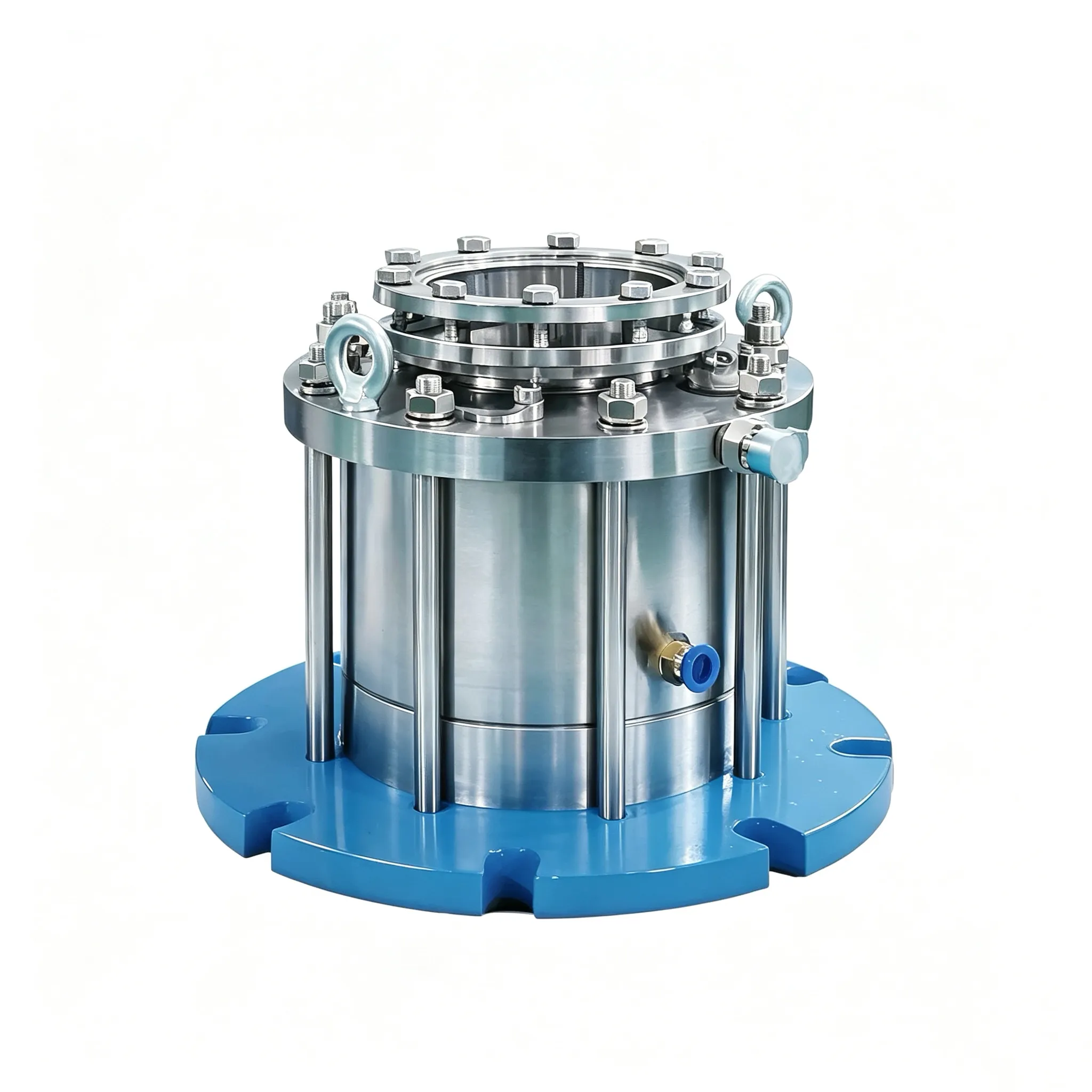
पंप सीलिंग का क्षेत्र पिछले कई दशकों में काफी विकसित हुआ है, जिसमें निर्माताओं ने विशिष्ट यांत्रिक सील के प्रकार अद्वितीय संचालन चुनौतियों को संबोधित करने के लिए। प्रत्येक श्रेणी के यांत्रिक सील के प्रकार में विशिष्ट लाभ, सीमाएँ और लागत प्रभाव होते हैं। उपलब्ध यांत्रिक सील के प्रकार की व्यापक तुलना से पता चलता है कि कोई एकल समाधान सार्वभौमिक रूप से काम नहीं करता; बल्कि, इष्टतम विकल्प तरल संगतता, प्रणाली दबाव, घूर्णन गति, तापमान स्थिरता और पर्यावरणीय कारकों पर निर्भर करता है। यह व्यापक मार्गदर्शिका औद्योगिक पंपिंग अनुप्रयोगों में उपयोग किए जाने वाले प्राथमिक यांत्रिक सील के प्रकार की जाँच करती है, जो आपको उनकी संरचनात्मक विशेषताओं, प्रदर्शन लक्षणों और सर्वोत्तम उपयोग परिस्थितियों को समझने में सहायता करती है।
एकल-फलक यांत्रिक सील प्रकारों को समझना
मूल डिज़ाइन और संचालन सिद्धांत
एकल-फलक यांत्रिक सील के प्रकार सामान्य औद्योगिक पंपिंग अनुप्रयोगों में सबसे अधिक तैनात कॉन्फ़िगरेशन का प्रतिनिधित्व करते हैं। इस श्रेणी के यांत्रिक सील के प्रकार ek ghoomne vaala seal face aur ek sthir seal face se yukt hota hai jo ek gati-shil sealing antar-satya banata hai. Ghoomne vaala ang, jise aam taur par pump shaft par lagaya jaata hai, spring dabaav aur pump ke saamanya chalane ke dauraan utpann hydrauлик balon ke madhyam se sthir seat ke saath sampark banaaye rakhta hai. Single-face यांत्रिक सील के प्रकार madhyam dar, maanak taapamaan sanket aur adhikansh udyogik dravyo—jaise jal, halka hydrocarbon aur patla raasayanik vishesh—ko sambhalne ke liye abhiyanvit kiye jaate hain.
Labh aur prayog kshetra
एकल-फलक यांत्रिक सील के प्रकार apne lagat-prabhavit hona, saral sthapana aur maanak kaarya anushthanon mein siddh vishvasoniye hone ke karan bazaar mein prabhuvtva praapt karte hain. Ye यांत्रिक सील के प्रकार maujooda pump ghar ke koi bhi badi sanshodhan ke bina lagaye ja sakte hain aur bahut saare sansthaanon mein spare part stock ko prabandhit rakhna asaan ho jaata hai. Single-face यांत्रिक सील के प्रकार गर्मी, वेंटिलेशन, एयर कंडीशनिंग, जल उपचार और वाणिज्यिक रेफ्रिजरेशन के क्षेत्रों में उत्कृष्ट प्रदर्शन करते हैं, जहाँ संचालन की स्थितियाँ अपेक्षाकृत स्थिर रहती हैं। इनकी सरलता का अर्थ है कम रखरखाव लागत और समस्याओं के उद्भव होने पर त्वरित निदान। जहाँ खतरनाक द्रव संरक्षण प्राथमिक चिंता नहीं है, वहाँ नियमित औद्योगिक पंपिंग के लिए एकल-फलक यांत्रिक सील के प्रकार विस्तृत संचालन अंतराल के दौरान उत्कृष्ट मूल्य और भरोसेमंद प्रदर्शन प्रदान करते हैं।
ड्यूअल-फलक और टैंडम यांत्रिक सील प्रकारों की खोज
उच्च दबाव अनुप्रयोगों के लिए ड्यूअल-फलक यांत्रिक सील प्रकार
ड्यूअल-फलक यांत्रिक सील के प्रकार दो घूर्णन वाले सील फलकों और दो स्थिर सील फलकों को श्रृंखला में कार्य कराकर आपातकालीन आवृत्ति और बढ़ी हुई दबाव रेटिंग क्षमताओं को सुनिश्चित करते हैं। इस डिज़ाइन का यांत्रिक सील के प्रकार उच्च दबाव औद्योगिक पंपिंग में उत्कृष्ट प्रदर्शन करता है, जहाँ एकल-चरण सीलिंग प्रणाली के दबाव को प्रभावी ढंग से संरक्षित नहीं कर सकती है। ड्यूअल-फलक यांत्रिक सील के प्रकार जल इंजेक्शन प्रणालियों, उच्च-दबाव हाइड्रोलिक अनुप्रयोगों और उन विशिष्ट प्रक्रिया उद्योगों में व्यापक रूप से उपयोग किए जाते हैं जहाँ दबाव धारण करना मिशन-महत्वपूर्ण होता है। इनमें दोहरी सीलिंग चरण होते हैं, जो यांत्रिक सील के प्रकार रिसाव दर को काफी कम कर देते हैं और सील के जीवनकाल को बढ़ाते हैं, क्योंकि ये सीलिंग सतहों पर भार को अधिक समान रूप से वितरित करते हैं। ड्यूल-फेस यांत्रिक सील के प्रकार को स्थापित करने के लिए अधिक जटिल प्रक्रियाओं की आवश्यकता होती है और ये कड़े सहिष्णुता मानकों को पूरा करने की मांग करते हैं, लेकिन चुनौतीपूर्ण वातावरणों में इनका उत्कृष्ट प्रदर्शन अतिरिक्त जटिलता और लागत को औचित्यपूर्ण बनाता है।
टैंडम और बैक-टू-बैक यांत्रिक सील प्रकार
टैंडम यांत्रिक सील के प्रकार और बैक-टू-बैक विन्यास खतरनाक तरल पदार्थों को धारण करने और चरम कार्यकारी स्थितियों के लिए उन्नत समाधान प्रस्तुत करते हैं। टैंडम यांत्रिक सील के प्रकार दो सील असेंबलियों को एक बफर कक्ष के साथ श्रृंखला में स्थापित करते हैं, जिससे स्वतंत्र निगरानी और नियंत्रित रिसाव प्रबंधन संभव हो जाता है। ये विशिष्ट यांत्रिक सील के प्रकार रिफाइनरियों, पेट्रोकेमिकल संयंत्रों और रासायनिक प्रसंस्करण सुविधाओं में अनिवार्य हैं, जहाँ तरल की विषाक्तता, वाष्पशीलता या पर्यावरणीय संवेदनशीलता के कारण व्यापक द्वितीयक समावरण की आवश्यकता होती है। बैक-टू-बैक यांत्रिक सील के प्रकार सील असेंबलियों को हाइड्रोलिक बलों को संतुलित करने और दबाव के झटकों के दौरान सतह के विक्षेप को कम करने के लिए विपरीत दिशा में व्यवस्थित किया जाता है। दोनों विन्यास यांत्रिक सील के प्रकार उपकरणों और सेंसर एकीकरण का समर्थन करते हैं, जिससे भविष्यवाणी आधारित रखरखाव और वास्तविक समय में स्थिति निगरानी संभव हो जाती है। जबकि टैंडम और बैक-टू-बैक यांत्रिक सील के प्रकार उच्च मूल्य निर्धारित करते हैं और स्थापना तथा रखरखाव के लिए विशिष्ट तकनीकी विशेषज्ञता की आवश्यकता होती है, उनकी उत्कृष्ट सुरक्षा प्रोफ़ाइल और लंबे संचालन अंतराल उन्हें महत्वपूर्ण बुनियादी ढांचा अनुप्रयोगों के लिए अनिवार्य बनाते हैं।
यांत्रिक सील प्रकारों के चयन मापदंड और प्रदर्शन तुलना
संचालन स्थितियों के अनुसार यांत्रिक सील प्रकारों का मिलान
सफल यांत्रिक सील चयन के लिए कई संचालन पैरामीटरों का प्रणालीगत मूल्यांकन आवश्यक है, ताकि यह निर्धारित किया जा सके कि कौन सा यांत्रिक सील के प्रकार उत्कृष्ट प्रदर्शन और विश्वसनीयता प्रदान करेगा। दबाव रेटिंग मुख्य चयन मापदंड बनती है; ५०० पीएसआई से कम दबाव वाले अनुप्रयोगों में आमतौर पर एकल-फेस यांत्रिक सील के प्रकार , जबकि १००० पीएसआई से अधिक दबाव वाले अनुप्रयोगों के लिए द्वैध-फेस या टैंडम यांत्रिक सील के प्रकार की तापमान स्थिरता का महत्वपूर्ण प्रभाव पड़ता है; मानक यांत्रिक सील के प्रकार के सामग्री और स्प्रिंग्स चरम तापीय वातावरण में क्षीण हो जाते हैं, जिससे उच्च-तापमान विविधताओं में विशिष्ट इलास्टोमर्स और मिश्र धातुओं की आवश्यकता होती है। तरल संगतता सभी यांत्रिक सील के प्रकार परिवारों में सील सामग्री के चयन को सीधे प्रभावित करती है; आक्रामक विलायकों और संक्षारक यौगिकों के लिए मूलभूत यांत्रिक सील के प्रकार विन्यासों में अनुपलब्ध विदेशी सामग्री के चयन की आवश्यकता होती है। घूर्णन गति फेस पहनने की दर और ऊष्मा उत्पादन को प्रभावित करती है, जहाँ ३५०० आरपीएम से अधिक गति वाले पंपों को प्रीमियम यांत्रिक सील के प्रकार में पाए जाने वाले उन्नत सतह कोटिंग्स का लाभ होता है। यांत्रिक सील प्रकारों के आधार पर लागत-लाभ विश्लेषण यांत्रिक सील के प्रकार प्रस्तावों को देखने पर विचार करें।
लागत-लाभ विश्लेषण
प्रारंभिक पूंजी व्यय केवल विभिन्न यांत्रिक सील के प्रकार चयनों के कुल स्वामित्व लागत गणना का एक कारक है। एकल-फेस यांत्रिक सील के प्रकार प्रारंभिक निवेश को कम करना, लेकिन कठिन अनुप्रयोगों में प्रत्येक १२–२४ महीने के बाद प्रतिस्थापन की आवश्यकता हो सकती है। ड्यूल-फेस और टैंडम यांत्रिक सील के प्रकार काफी अधिक प्रारंभिक व्यय की आवश्यकता रखते हैं, लेकिन स्थिर संचालन वातावरणों में कभी-कभी ५–७ वर्ष से अधिक के सेवा अंतराल को प्रदर्शित करते हैं। रखरखाव श्रम, अवरोध के घटनाएँ, पर्यावरणीय अनुपालन और द्रव दूषण रोकथाम सहित माध्यमिक लागतें यांत्रिक सील के प्रकार उच्च-गुणवत्ता वाले यांत्रिक सील के प्रकार जिनमें उन्नत सामग्री और डिज़ाइन शामिल हैं, अनियोजित विफलताओं और आपातकालीन रखरखाव के मामलों को कम करते हैं जो उत्पादन कार्यक्रमों को बाधित करते हैं। पर्यावरणीय विनियमन धीरे-धीरे खतरनाक सेवाओं के लिए विशिष्ट यांत्रिक सील के प्रकार को अनिवार्य बना रहे हैं, जिससे नियमित उद्योगों में लागत विचारों के बावजूद अनुपालन-आधारित चयन आवश्यक हो जाता है।
अक्सर पूछे जाने वाले प्रश्न
किसी विशिष्ट पंप के लिए यांत्रिक सील प्रकारों के चयन को सबसे अधिक कौन-से कारक प्रभावित करते हैं?
प्रणाली दबाव, द्रव गुण, तापमान सीमा, घूर्णन गति और पर्यावरण विनियम उपलब्ध उपकरणों में से चुनने के लिए प्राथमिक निर्णय मानदंड हैं। यांत्रिक सील के प्रकार प्रत्येक यांत्रिक सील के प्रकार इस श्रेणी में इष्टतम परिचालन खिड़कियां हैं; इन मापदंडों के बाहर चयन करने से समय से पहले विफलता और रखरखाव लागत में वृद्धि होती है। सील निर्माताओं से परामर्श और समान अनुप्रयोगों से ऐतिहासिक प्रदर्शन डेटा की समीक्षा करने से उपयुक्त सील के लिए चयन प्रक्रिया में तेजी आती है। यांत्रिक सील के प्रकार .
क्या सिंगल फेस मैकेनिकल सील प्रकारों को बिना किसी बड़े पैमाने पर पंप संशोधन के दोहरे फेस में अपग्रेड किया जा सकता है?
एकल-सामने से दो-सामने में उन्नयन यांत्रिक सील के प्रकार आमतौर पर पंप गुहा में डिजाइन संशोधन की आवश्यकता होती है और एडाप्टर घटकों की आवश्यकता हो सकती है। कई आधुनिक पंप डिजाइनों विनिमेय समायोजित यांत्रिक सील के प्रकार , लेकिन पुराने उपकरणों के लिए काफी इंजीनियरिंग कार्य की आवश्यकता हो सकती है। उपकरण निर्माता विभिन्न उपकरणों के लिए संगतता मापदंडों को निर्दिष्ट करने वाले उन्नयन दस्तावेज प्रदान करते हैं। यांत्रिक सील के प्रकार इनस्टॉलेशन के लिए
पर्यावरणीय विनियमन औद्योगिक अनुप्रयोगों में यांत्रिक सील प्रकारों के विनिर्देशों को कैसे प्रभावित करते हैं?
कठोर पर्यावरण संरक्षण मानक विशिष्ट यांत्रिक सील के प्रकार को वाष्पशील कार्बनिक यौगिकों, खतरनाक द्रवों और विषैले रसायनों के साथ उपयोग के लिए आवश्यक बनाते हैं। विनियामक ढांचे अक्सर भूजल दूषण और वायुमंडलीय उत्सर्जन को रोकने के लिए टैंडम या बैक-टू-बैक यांत्रिक सील के प्रकार के माध्यम से दो-चरणीय संरक्षण की आवश्यकता रखते हैं। ईपीए, ओएसएचए और राज्य स्तरीय पर्यावरणीय आवश्यकताओं के अनुपालन के आधार पर सीधे यह तय किया जाता है कि कौन से यांत्रिक सील के प्रकार विनियमित सेवा अनुप्रयोगों के लिए कानूनी रूप से अनुमान्य हैं।
विषय-सूची
- एकल-फलक यांत्रिक सील प्रकारों को समझना
- ड्यूअल-फलक और टैंडम यांत्रिक सील प्रकारों की खोज
- यांत्रिक सील प्रकारों के चयन मापदंड और प्रदर्शन तुलना
-
अक्सर पूछे जाने वाले प्रश्न
- किसी विशिष्ट पंप के लिए यांत्रिक सील प्रकारों के चयन को सबसे अधिक कौन-से कारक प्रभावित करते हैं?
- क्या सिंगल फेस मैकेनिकल सील प्रकारों को बिना किसी बड़े पैमाने पर पंप संशोधन के दोहरे फेस में अपग्रेड किया जा सकता है?
- पर्यावरणीय विनियमन औद्योगिक अनुप्रयोगों में यांत्रिक सील प्रकारों के विनिर्देशों को कैसे प्रभावित करते हैं?